1721: Executed at Twenty: The Soldier Who Claimed He Was Defending His Honour

William Casey, a young Guardsman only about twenty years old, was hanged in London on 11 September 1721 after being convicted of robbing a man named John Stone in a city park. Casey never accepted the charge; he insisted the confrontation had nothing to do with theft and everything to do with Stone making indecent advances toward him, a claim that, if true, cast the entire prosecution in a very different light.

At the gallows Casey did not simply protest verbally. He left behind a written statement formally proclaiming his innocence of the robbery, a deliberate act by a condemned soldier determined that his version of events would outlive him.

“He maintained until death that the confrontation arose because Stone had made indecent advances toward him” and went to his execution still denying the crime for which he was hanged.
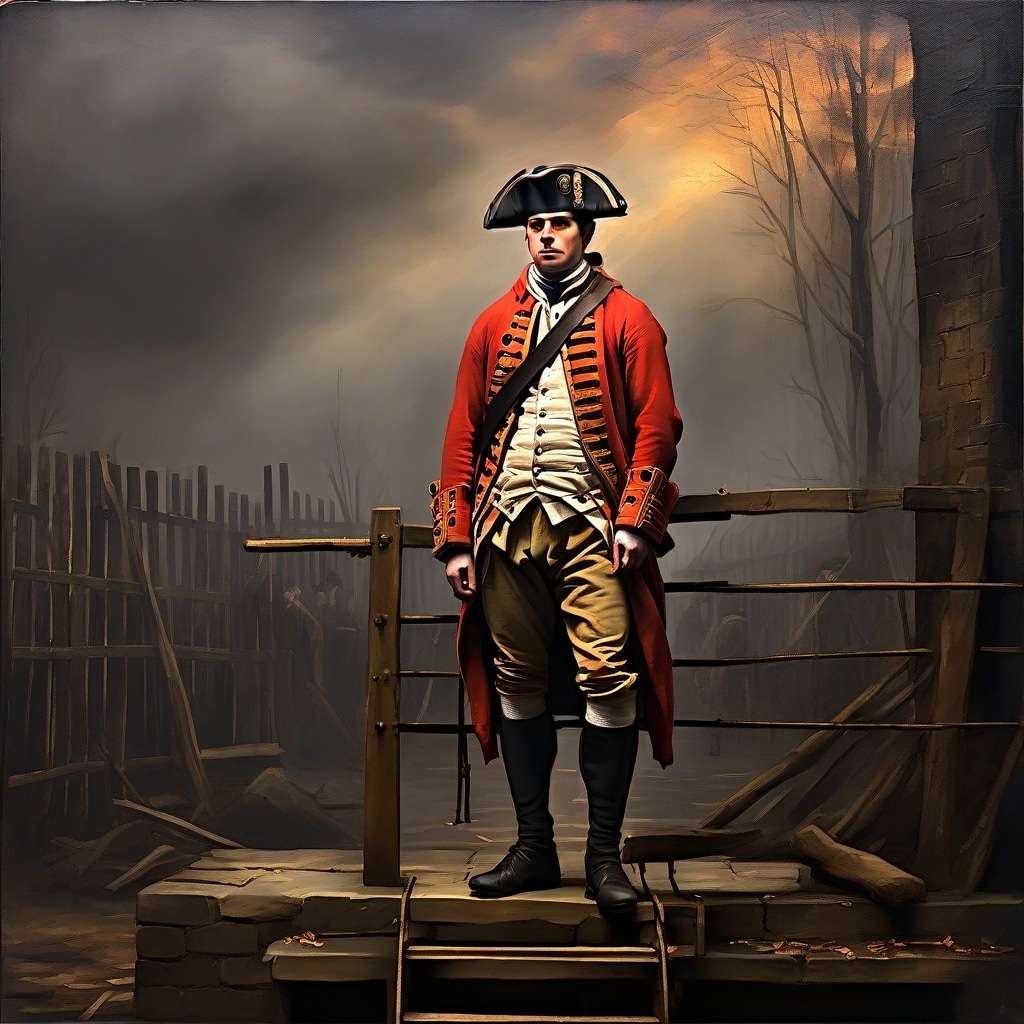

William Casey: The Soldier Accused of Robbery in the Park

⬅ See all events from 11 September

Spread the word on your favourite platform!

1897: The World’s First Drink-Driving Conviction, London 1897

Just before one in the morning on September 10, 1897, a taxi driver named George Smith lost control of his cab on New Bond Street, swerving across the road and crashing, smashing a water pipe and a front window. No one was hurt, cars of the era topped out at about 8mph, but Smith admitted to police that he had been drinking, and that confession was enough to convict him in what is recognised as the world’s first drink-driving case.

He was fined 20 shillings. There was no specific drunk-driving law to charge him under; the conviction rested entirely on his own admission, since officers otherwise had only their own snap judgement of a driver’s sobriety to go on. It would be almost a decade before any jurisdiction, enacted a dedicated drunk-driving law, and more than half a century before the breathalyser existed to test drivers objectively.

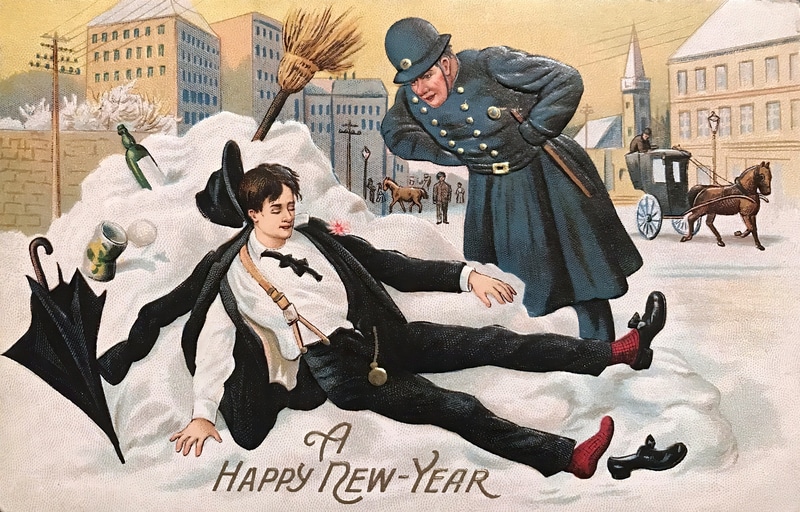
Humorous Vintage New Year Postcard: Policeman Discovers Man Asleep in Snow (circa 1900. A delightfully humorous and classic vintage postcard illustration from the early 20th century (circa 1900-1910s), perfectly capturing the aftermath of a lively New Year’s Eve celebration... The scene depicts a gentleman, dressed in a formal black suit with a white shirt, bow tie, and suspenders, comically sprawled out in a pristine snowdrift. His top hat is discarded nearby, his umbrella askew | ID 404164454 © Svetlana Gavrilyuk | Dreamstime.com
ID 404164454 © Svetlana Gavrilyuk | Dreamstime.com

⬅ See all events from 10 September

Spread the word on your favourite platform!

1944: The Acid Bath Murderer: John Haigh Dissolves His Former Boss in a Barrel of Sulphuric Acid

John Haigh, a convicted fraudster, murdered his former employer William ‘Mac’ McSwan and dissolved his body in a barrel of sulphuric acid. Haigh later claimed the killing was driven by a compulsion he called blood lust, but McSwan had money and property, and the murder looks less like madness than a calculated escalation of Haigh’s earlier fraud schemes.

Tellingly, whatever ‘compulsion’ Haigh described did not resurface until the cash from the McSwan killing had run out, suggesting the acid barrel was less about bloodlust and more about a ruthless, practical solution to funding his lifestyle.

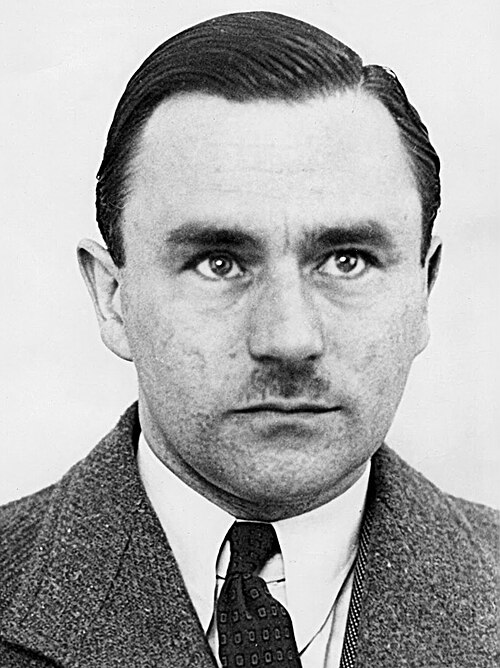
Portrait of john george haigh - acid bath murderer. Public Domain.
Portrait of john george haigh – acid bath murderer. Public Domain.

⬅ See all events from 9 September

Spread the word on your favourite platform!

1888: Jack the Ripper Claims His Second Victim: the Mutilation of Annie Chapman

Annie Chapman was a heavy drinker who had turned to prostitution in London’s Whitechapel after her marriage collapsed and her daughter died, using the earnings to pay for drink and a bed for the night. On the night of her death she had no money for lodgings and went out to earn her rent; her body was found in the early hours in a backyard, her throat cut and her abdomen slashed open.

The killer had arranged her intestines over her shoulder and removed her uterus, taking it with him. An autopsy determined she had been sober at the time of her death, ruling out the drunkenness that had shaped so much of her life.

Her murder, following that of Mary Ann Nichols just over a week earlier, confirmed for police that a single killer, soon dubbed Jack the Ripper, was stalking the women of Whitechapel.

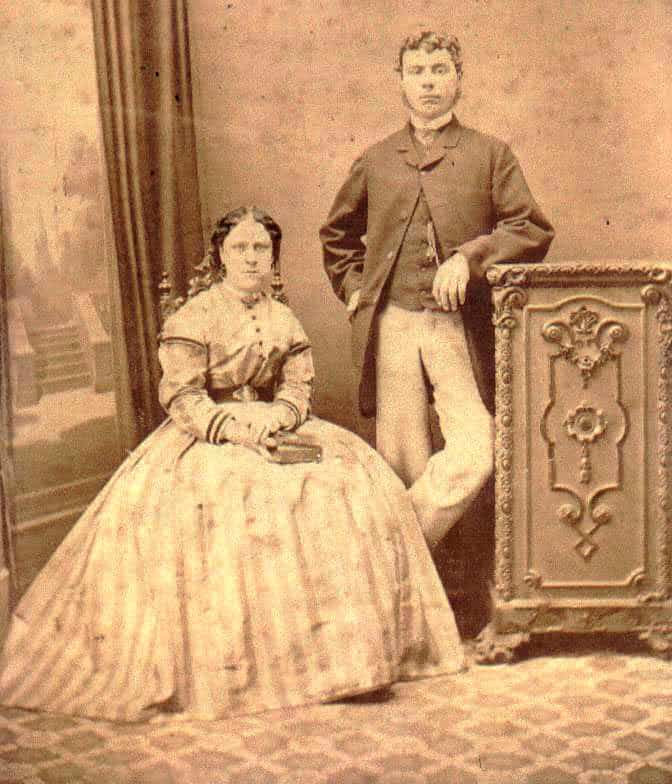
Portrait of Annie Chapman with her husband in 1869

⬅ See all events from 8 September

Spread the word on your favourite platform!
On This Day in True Crime History
1794·The First Free Settler Murdered in the Colony: Hanged at Sydney for a Parramatta Stabbing
1826·The Gun That Misfired Twice: Three Bushrangers Hanged Outside Sydney
1873·A Tearful Confession in Custody Cracked the Case: Two Men Hanged at Perth Gaol for Eating their Victim
1889·He Called It an Accident. The Jury Called It Murder: Robert Landells Hanged at Melbourne Gaol
1907·A Doctor Fooled Twice: Martha Rendell and the Second Child to Die of Diphtheria
2002·Shot Dead in His Own Bed: A Melbourne Gangland Killing Blamed on a Friend
More Crime On This Day →

Subscribe to Dark Stories

True crime stories, dark history and tour news, straight to your inbox.