1666: The Great Fire of London Begins on Pudding Lane

In the early hours of 2 September 1666, a fire broke out at the Pudding Lane bakery of Thomas Farriner in the City of London. Driven by strong winds, the blaze consumed around 80 percent of the old city before it was brought under control on 6 September. Though attributed to an accident at the bakery, the disaster ignited a desperate search for culprits.

Robert Hubert, a French watchmaker from Rouen, confessed to starting the fire. His confession was riddled with impossibilities: he had not arrived in England until two days after the fire broke out, and he described throwing a fire grenade through a window at the Farriner bakery, which had no windows. With nationalism inflamed by the Second Anglo-Dutch War, a scapegoat was needed, and Hubert, a foreigner in a hostile city, was hanged for a crime he almost certainly did not commit.
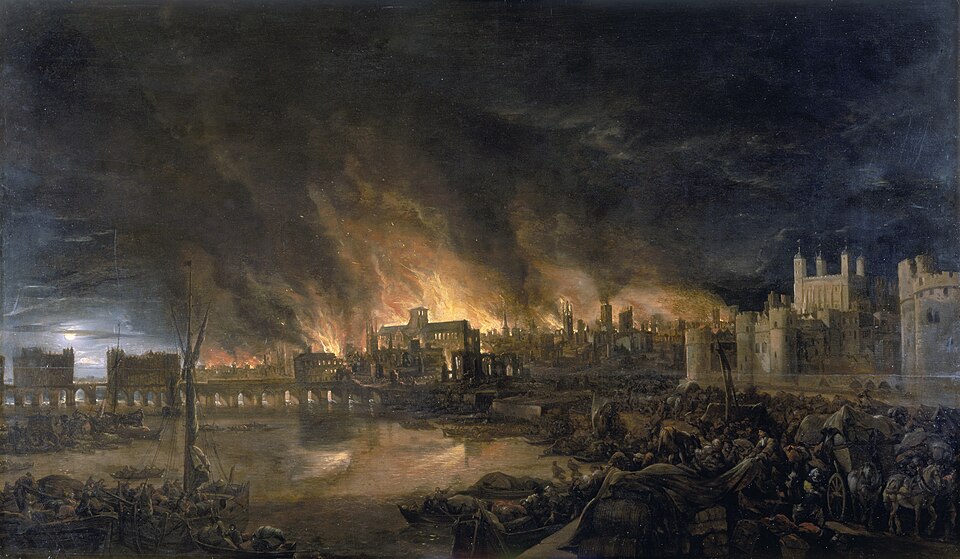

The Great Fire of London

⬅ See all events from 2 September

Spread the word on your favourite platform!

1888: Jack the Ripper Claims His First Victim in Whitechapel

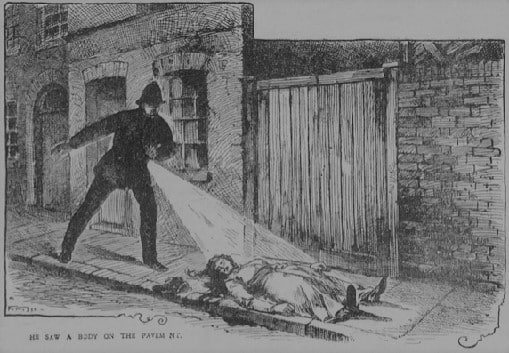
Mary Ann Nichols, known as Polly, was 43 years old, a divorced mother of five, and homeless on the night she died. In the early hours of 31 August 1888, she went to the streets of Whitechapel, London, to earn money for a bed. Her body was found before 4 a.m., her throat slashed with a long-bladed knife and her abdomen deeply cut. There were no witnesses.

Nichols became the first of at least five women murdered in and around Whitechapel between late August and early November 1888 by the killer who would become known as Jack the Ripper. Her death ignited intense press and public interest in both the murders and the desperate living conditions of London’s East End.

Despite countless theories, the killer Jack The Ripper, has never been identified.

Illustration of PC Neil discovering the body of Mary Ann Nichols with his lantern. Unknown artist, 1888. Published in Famous Crimes Past and Present, c.1903. Public domain.

⬅ See all events from 31 August

Spread the word on your favourite platform!

1922: Cecil Hides a Body in his Bath

Cecil Maltby, a 47-year-old London tailor with a taste for gambling and drink, shot his mistress Alice Hilda Middleton three times in the back at his flat above his shop at 24 Park Road, Regent’s Park, on 24 August 1922. He concealed her decomposing body in a bath in the kitchen, wrapped in a sheet with a note claiming she had committed suicide. Her husband, returning from service with the Merchant Navy in the Far East, reported her missing in December 1922, prompting police to watch the premises.

When authorities finally forced entry on 10 January 1923, using a health order citing unsanitary conditions, officers heard a shot from the bedroom. Maltby had put a gun to his mouth and died within minutes. The pathologist’s report demolished his suicide narrative: Middleton had been shot three times from behind. A coroner’s jury returned a verdict of murder against Maltby, finding that he had then taken his own life to avoid arrest.

Bathtub filled with blood in a horror crime scene concept

⬅ See all events from 24 August

Spread the word on your favourite platform!

1305: William Wallace Hanged, Drawn, and Quartered at Smithfield

William Wallace, the Scottish knight and military leader who had defied English rule for nearly a decade, was captured in August 1305 and swiftly tried for treason and atrocities against English civilians. Brought before a tribunal in Westminster Hall, he denied the charge of treason on the grounds that he had never sworn allegiance to the English crown, but the verdict was a foregone conclusion.

On 23 August 1305, Wallace was dragged through the streets of London to Smithfield, where he was hanged, cut down while still alive, disembowelled, beheaded, and his body divided into four parts. His head was displayed on London Bridge; his limbs were sent to Newcastle, Berwick, Stirling, and Perth as a warning to those who would resist English rule. He became the most enduring symbol of Scottish resistance.

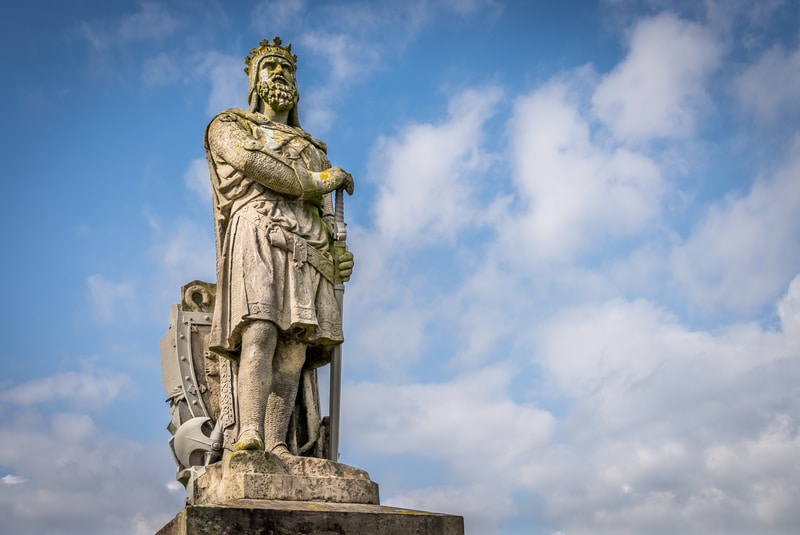
William Wallace statue outside Stirling Castle Scotland

⬅ See all events from 23 August

Spread the word on your favourite platform!
On This Day in True Crime History
1794·The First Free Settler Murdered in the Colony: Hanged at Sydney for a Parramatta Stabbing
1826·The Gun That Misfired Twice: Three Bushrangers Hanged Outside Sydney
1873·A Tearful Confession in Custody Cracked the Case: Two Men Hanged at Perth Gaol for Eating their Victim
1889·He Called It an Accident. The Jury Called It Murder: Robert Landells Hanged at Melbourne Gaol
1907·A Doctor Fooled Twice: Martha Rendell and the Second Child to Die of Diphtheria
2002·Shot Dead in His Own Bed: A Melbourne Gangland Killing Blamed on a Friend
More Crime On This Day →

Subscribe to Dark Stories

True crime stories, dark history and tour news, straight to your inbox.