1939: Seven Years by Kayak from Germany to Australia, Then Arrested the Moment He Landed

Oskar Speck left Hamburg on May 13, 1932, paddling an 18 foot Faltboot, a folding kayak made of rubber and canvas, carrying five gallons of water, a small movie camera and a Mauser pistol. His route ran down the Danube, across the Mediterranean, overland to the Euphrates, down the Persian Gulf and on through Baluchistan and India, surviving on water mixed with condensed milk, cheese and chocolate, and once covering 90 miles in a single 65 hour stretch without leaving the boat.

In 1933, while at Alexandretta, he received a telegram from the Nazi government ordering him home now that “the Fuehrer is here”; he ignored it and kept paddling. He was reported dead more than once along the way, including after a close call with a shark in the Persian Gulf: “They thought the sharks had got me,” he later said, “but I am still here.”

After roughly seven years at sea, Speck finally reached Thursday Island in the Torres Strait, only to be arrested on arrival and interned as an enemy alien, World War II having begun just three weeks earlier. He spent the next six years locked up in prisoner-of-war camps across Australia.
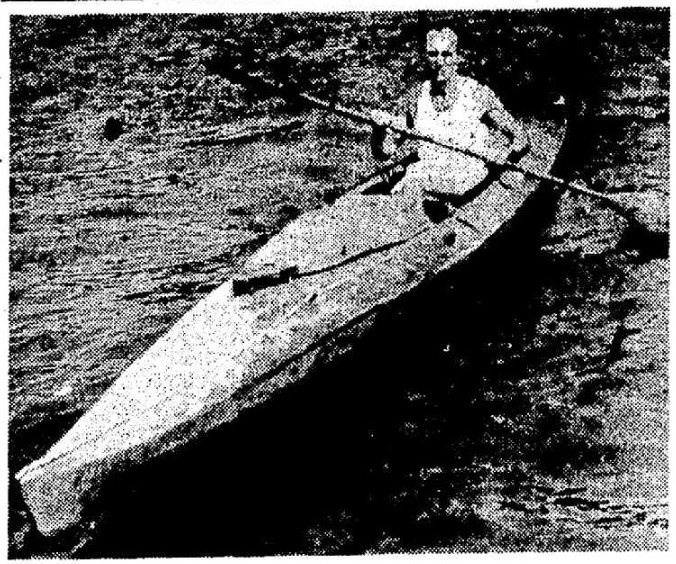

Oskar Speck Arrested

⬅ See all events from 20 September

Spread the word on your favourite platform!

1952: Steps From Home: the Unsolved Murder of Betty Shanks in Brisbane

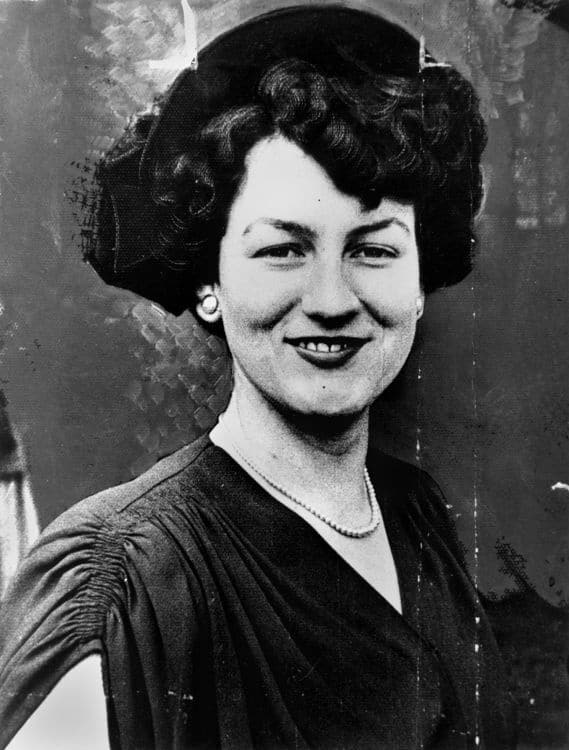
On the night of 19 September 1952, 22 year old Betty Shanks stepped off a tram at the Grange terminus in Brisbane and set off on the short walk home. She never made it and her body was found the next morning, in the front garden of a house just metres from her parents’ own home.

Despite an extensive police investigation and decades of renewed interest, no one was ever charged over her death. The case has become one of Queensland’s most haunting cold cases. A young woman killed almost within sight of her own front door, with her killer never identified.

Unsolved.
Unsolved.

⬅ See all events from 19 September

Spread the word on your favourite platform!

1811: No Reprieve: The Killers Confession Ignored as a Convicted Man Is Hanged Two Days Late

John Dunn was convicted at the Parramatta Court of Criminal Jurisdiction of murdering Mary Rowe, largely on the testimony of a sixteen year old accomplice, John Welch, whose evidence also saw Welch’s father, Thomas Welch, convicted as an accessory after the fact.

Dunn was due to hang at Parramatta two days beforehand, on Monday 16 September 1811, but as the execution was about to proceed the boy, John Welch, suddenly retracted everything he had sworn at trial. He declared Dunn innocent and claimed that he and his father were the true killers. The Acting Provost Marshal, unable to consult anyone and acting on what observers called motives of humanity, respited the hanging on the spot.

The reprieve lasted only two days. Dunn was finally executed at Parramatta on the Wednesday following, as near as possible to the site of the murder itself, amid what one witness described as far gloomier circumstances than the original sentence would have produced.

After he was cut down, Dunn’s body was delivered to the medical officer at Parramatta General Hospital, where it was dissected and anatomised before burial. The scaffold retraction left lingering public doubt over Dunn’s guilt, with contemporary accounts noting the boy’s claim that Dunn was innocent and that he and his father were the real perpetrators.

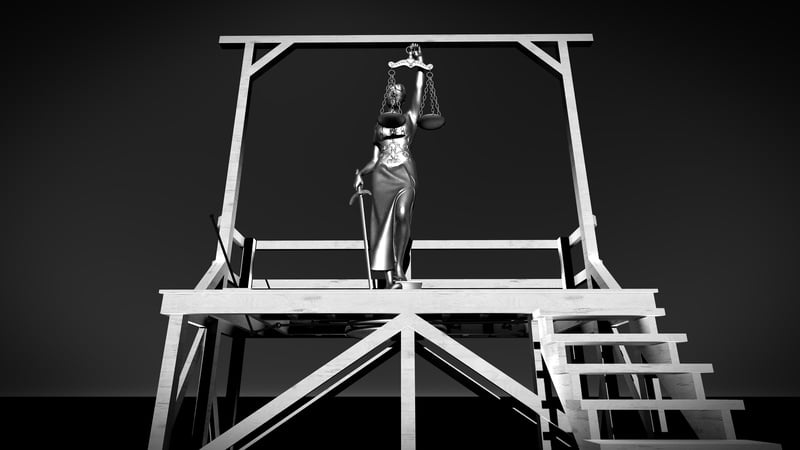
Lady Justice Themis statue on gallows with scales and sword

⬅ See all events from 18 September

Spread the word on your favourite platform!

1826: Nine Hanged in a Single Day at Hobart, All for Sheep Stealing and Burglary

On September 18, 1826, nine convicts went to the gallows together in Hobart under Lieutenant-Governor George Arthur’s ruthless enforcement of Britain’s Bloody Code, the doctrine that made property crime a capital offence equal to murder. Not one of the nine had killed anyone: George Farquharson, Robert Cable, Thomas Savell, John Davis and John Cruitt were hanged for sheep stealing, John Penson, Timothy Swinscow and William Wickens for burglary, and James Rowles for theft.

The hangings were part of the largest cluster of executions recorded in Van Diemen’s Land that year, twenty three people put to death over a single fortnight in mid September 1826. Earlier hangings that month, on September 13, had targeted actual killers; those on September 15 and 18 were reserved entirely for non-violent property offenders, a deliberate signal from Arthur to a colony economically dependent on settler flocks and stores.

Sheep stealing in particular was treated by the colonial administration as an existential threat to the fledgling economy of the penal settlement, and the September 18 executions were designed as a public deterrent to convicts tempted to raid the herds and homes of free settlers.

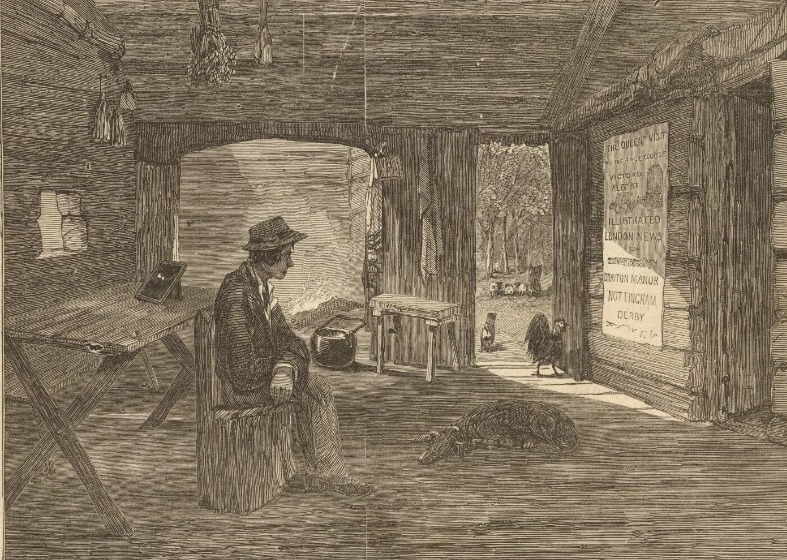
1826 in the Hobart Colony

⬅ See all events from 18 September

Spread the word on your favourite platform!
On This Day in True Crime History
1816·He Blamed His Mate for the Shot, But It Was His Own Gun That Fired: Triple Hanging in Sydney
1895·"Look, Jimmy": The Chilling Instant Before a Fatal Tomahawk Attack Near Mount Morgan, Hanged in Brisbane.
1895·"A Feeling of Relief": Hanged in Melbourne for Drowning a Family Member
1993·11-04 | 1993 Two More Victims Discovered: The Backpacker Murders in the Forest South-West of Sydney
More Crime On This Day →

Subscribe to Dark Stories

True crime stories, dark history and tour news, straight to your inbox.