1891: The Mace, the Madam, and a Melbourne Scandal That Never Died

In the early hours of 9 October 1891, the ceremonial mace vanished from Parliament House in Melbourne, the silver-plated symbol of the speaker's authority gone from a locked case. A parliamentary engineer was seen that same day running from the building with a parcel the right size and shape to be the mace; he told police it was firewood, and with no proof against him the investigation stalled.

Thirteen months later newspapers claimed the mace had turned up in the parlour of a notorious madam who catered to visiting members of parliament, a story so delicious it triggered a formal Board of Inquiry. The board cleared the brothel but settled nothing else, and popular rumour simply shifted the blame onto the new Speaker, Thomas Bent, despite his having taken office only after the theft. The mace was never seen again, and whether it was a burglary or a parliamentary prank gone wrong remains Melbourne's favourite unsolved mystery.
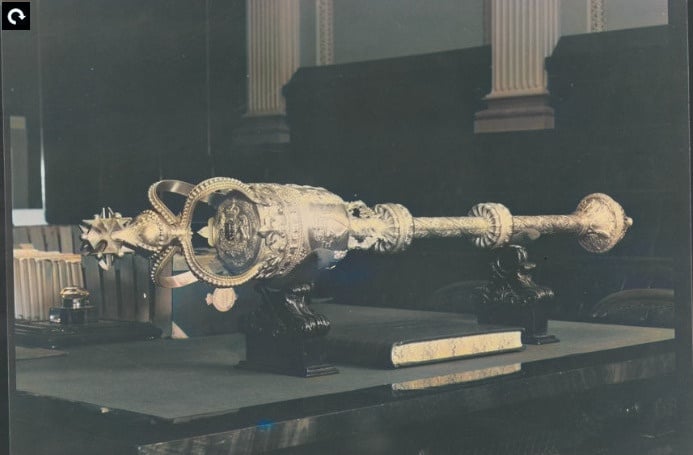

Parliamentry Mace Stolen: Credit: Public Record Office Victoria, VPRS 14517/P0001/39, O884.

⬅ See all events from 9 October

Spread the word on your favourite platform!

1849: Found Delirious in Someone Else’s Clothes: the Mysterious Death of Edgar Allan Poe

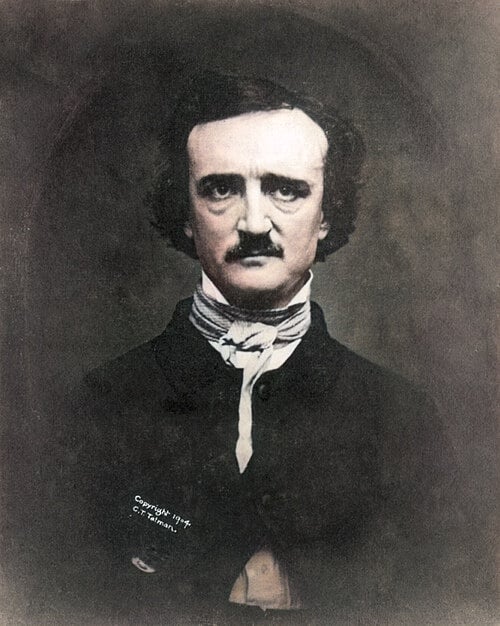
Edgar Allan Poe was discovered slumped outside a Baltimore tavern being used as a polling place, barely conscious and dressed in clothes that were not his own. He could not explain where he had been for the five days since he was last seen, and he never recovered enough to try; he died four days later at a city hospital, aged 40.

On this date, his doctor recorded his last words as "Lord help my poor soul", after a night of Poe repeatedly calling out a name, Reynolds, that no one has ever identified. Newspapers blamed drink, but Poe’s death certificate and medical records have since vanished, and the true cause was never established.

One theory, raised decades later, points to cooping: a 19th century election scam in which gangs plied captives with liquor and forced them to vote repeatedly in disguise, which would explain both his stupor and his stolen clothes. No version of events has ever been confirmed.

Photograph of Edgar Allan Poe - 1848

⬅ See all events from 7 October

Spread the word on your favourite platform!

1920: A 20-Year Disguise Unravels: Eugenia Falleni Convicted of Murdering the Wife Who Never Knew

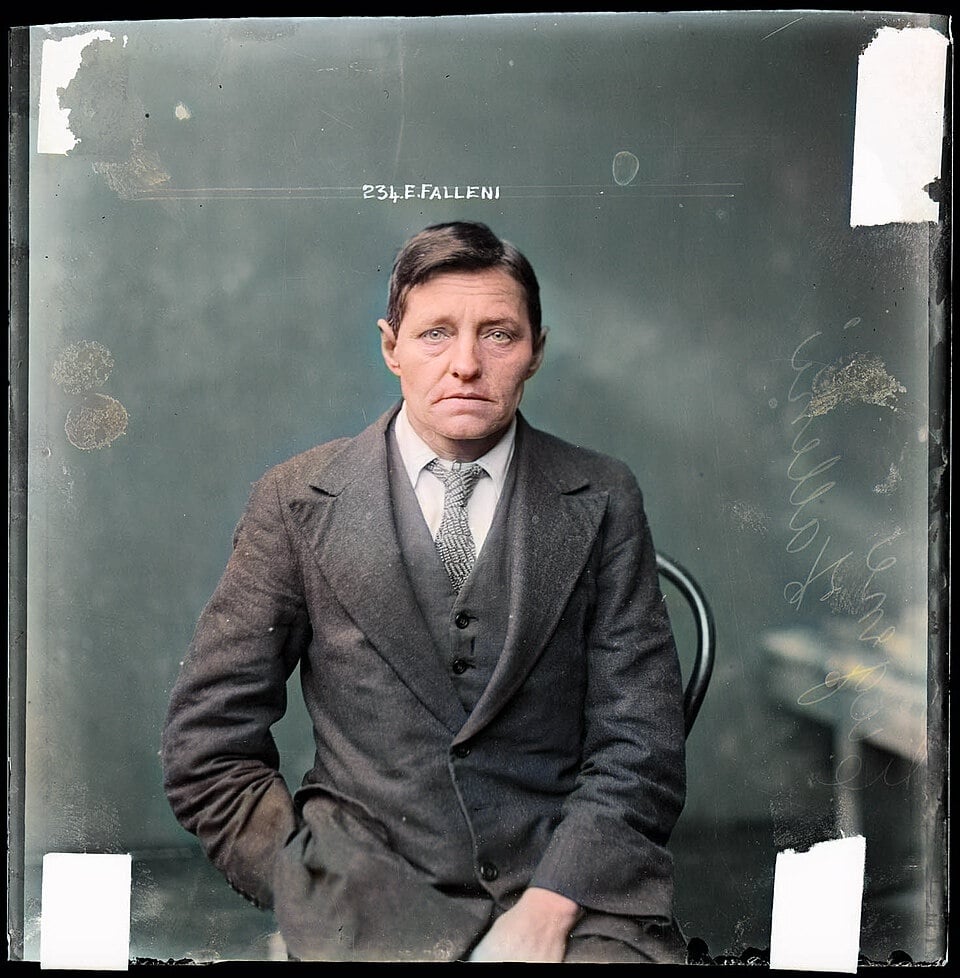
For about two decades, Eugenia Falleni lived as a man named Harry Crawford, working ordinary jobs and marrying a woman named Annie Birkett in 1913 without her ever suspecting the truth. The marriage held until Eight-Hour Day in 1917, when Birkett disappeared; her charred remains were later found in bushland near Lane Cove.

It took police years to connect Crawford to the body and to discover the deeper deception underneath. Tried at the Central Criminal Court in Sydney, Falleni was found guilty of murder and sentenced to death, a sentence later commuted to life imprisonment.

Eugenia Falleni 1920

⬅ See all events from 6 October

Spread the word on your favourite platform!

1895: "I Wonder How Many More Times?": George Dean Rearrested in a Sydney Poison Case

George Dean had already escaped the gallows once, pardoned after a Royal Commission cast doubt on the poisoning case against his wife, Mary. Then a North Shore chemist named Smith came forward, admitting he had sold Dean arsenic and strychnine after Dean claimed he needed a double dose and two poisons to deal with rats on his property.

On 5 October 1895 detectives approached Dean just as he stepped off his ferry at Sydney's Circular Quay, still dressed in his captain's uniform, and arrested him again. "I wonder how many more times I shall be arrested over this affair," he remarked, before going with the detectives.

Dean subsequently confessed in writing to poisoning his wife. He was convicted of perjury committed to procure his own acquittal and sentenced to fourteen years, while his former lawyer and others faced charges of conspiring to pervert the course of justice.

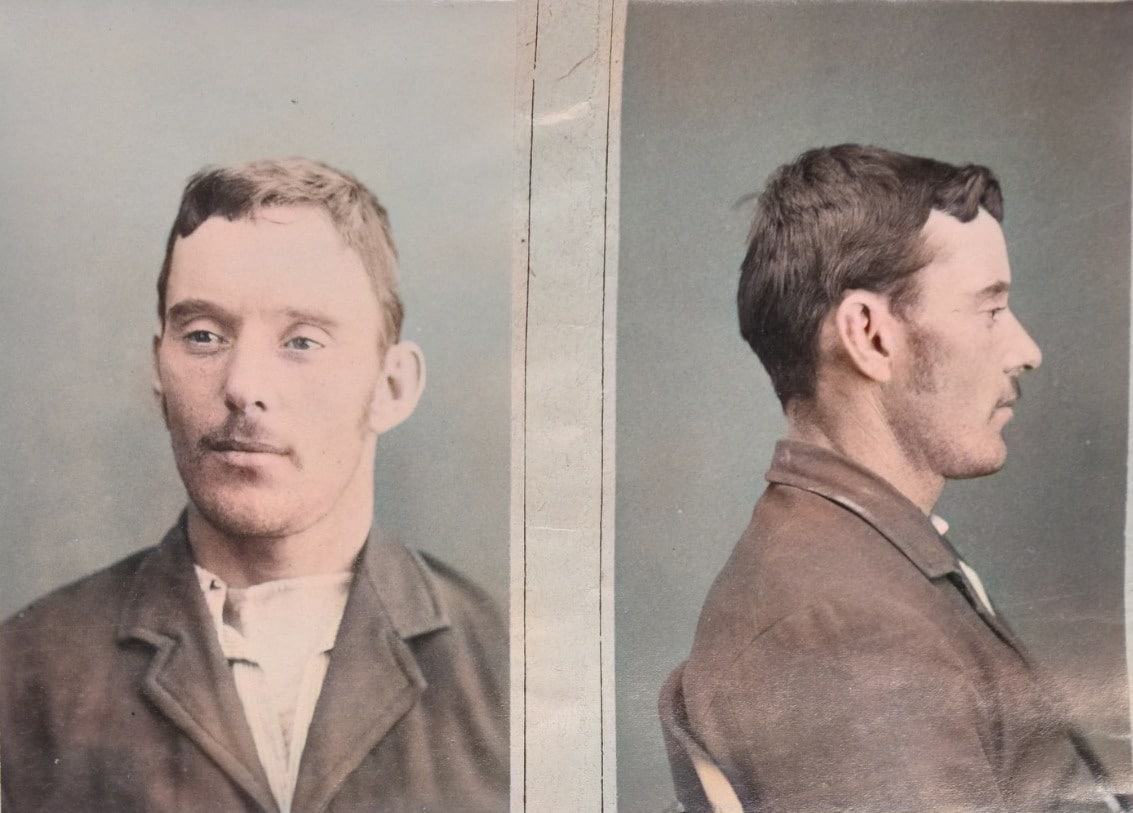
George Dean lemon syrup case. Prison photograph. Credit: Museums of History NSW, State Archives Collection.

⬅ See all events from 5 October

Spread the word on your favourite platform!
On This Day in True Crime History

Subscribe to Dark Stories

True crime stories, dark history and tour news, straight to your inbox.