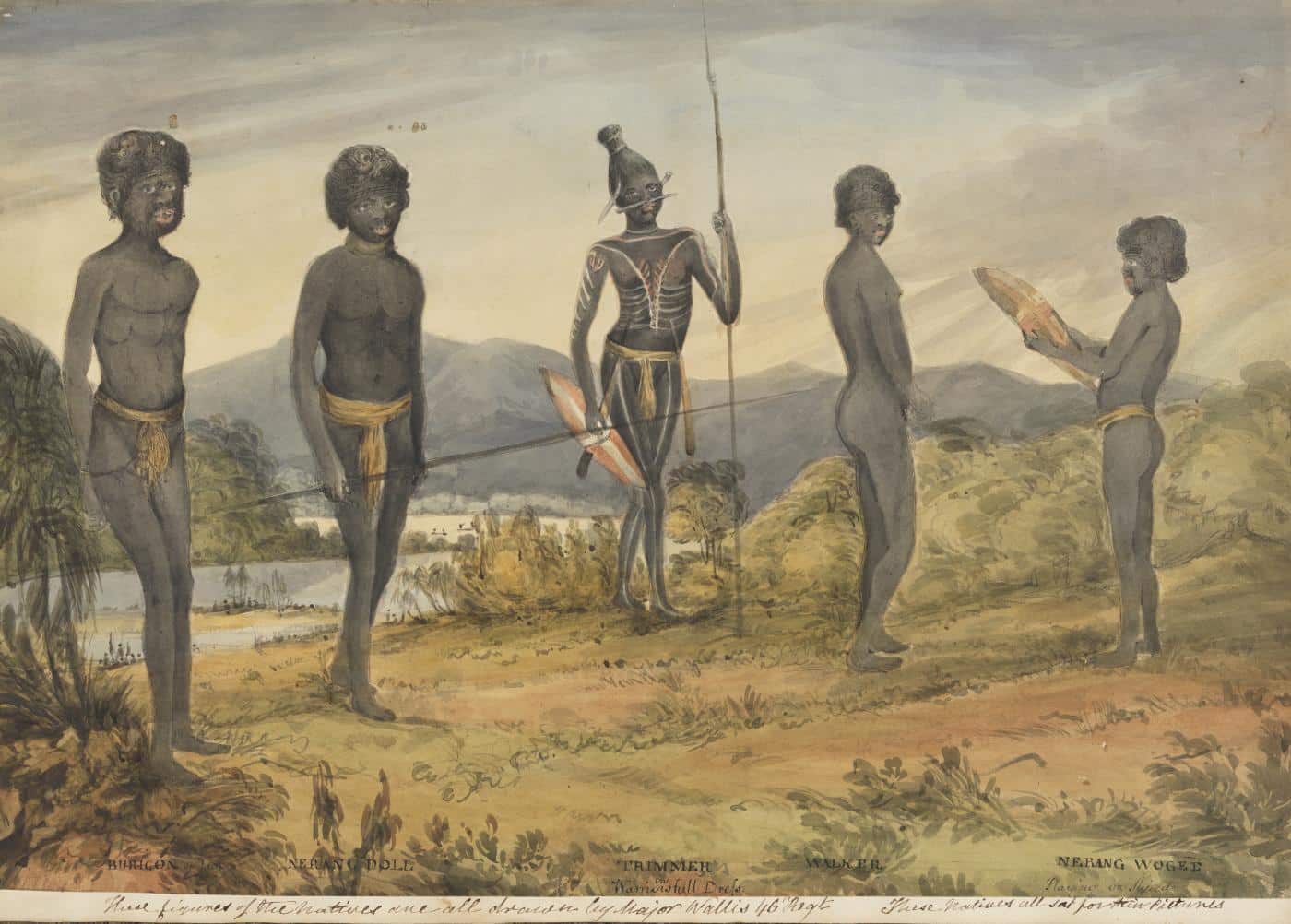
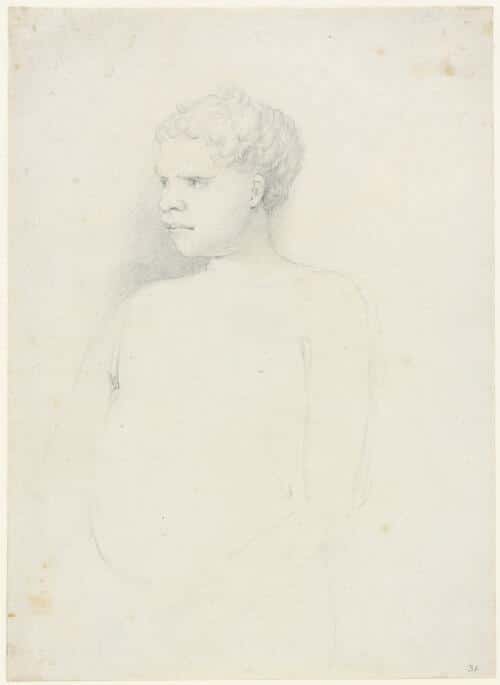
Burigon, a widely respected leader among the Aboriginal people near Newcastle, had helped track down an escaped convict named John Kirby and was escorting him back to the settlement when Kirby turned on him with a knife, driving the blade into his abdomen.
The wound proved fatal. Burigon lingered for eleven days before dying on 27 October 1820, a loss felt deeply in a district where relations between Aboriginal people and the colony had been better than elsewhere in NSW districts.
Aboriginal people of New South Wales(Burigon on left), c. 1817–1818. Artwork by Captain James Wallis and Joseph Lycett. Public domain. Source: State Library of New South Wales.
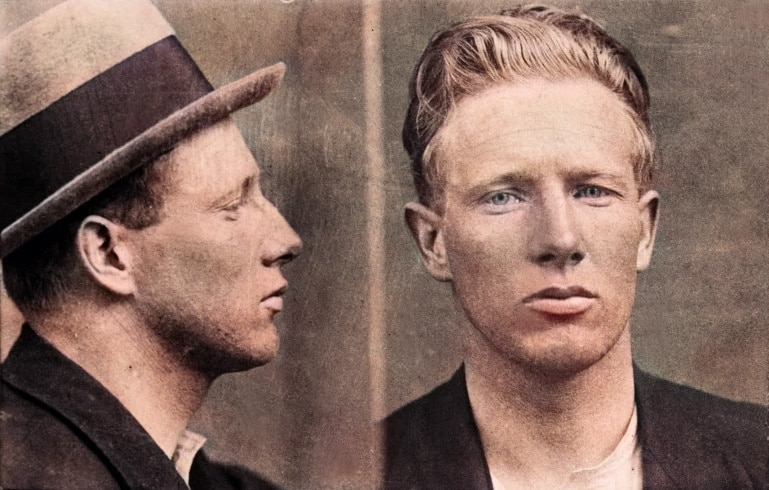
Snowy Cutmore had spent months hiding in Sydney after the gangland killing of an ally, but by late October 1927 he was back in Melbourne, lodging with his mother in Carlton. At the races he ran into his old rival Squizzy Taylor and the two traded threats in public; within days Cutmore came down with influenza and took to his sickbed.
On 27 October 1927, Taylor and an accomplice hired a car, drove to the house and walked straight into Cutmore’s bedroom. Gunfire erupted between the bedridden man and his visitors: Cutmore was hit five times, his mother was wounded by a stray bullet as she rushed in, and Taylor himself staggered out mortally wounded, dying in hospital within the hour.
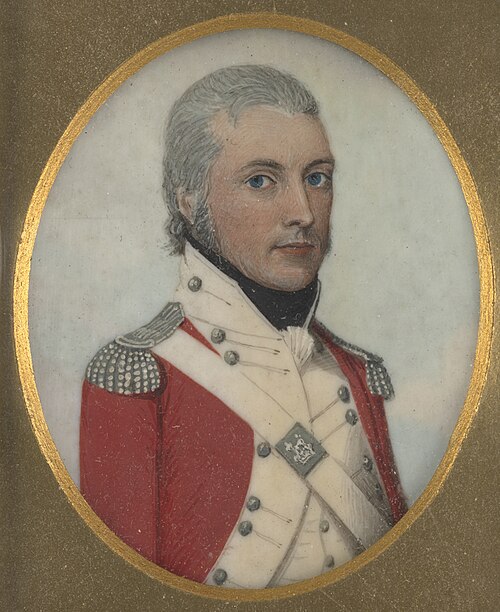
Ivan Milat, convicted of murdering seven backpackers whose remains were scattered through the Belanglo State Forest south of Sydney, spent 25 years in custody without ever publicly admitting guilt. He told interviewers his family had nothing to do with the killings, and police who visited him eight times in his final months, even playing him recorded messages from victims families, could not shake his denial.
His years inside were marked by strange, desperate acts of self-harm. In 2009 he sliced off his own little finger with a plastic knife, intending to post it to the High Court of Australia to force an appeal, and in 2011 he starved himself for nine days and lost 25 kilograms in a failed bid to be given a PlayStation.
Milat died of oesophageal cancer in the hospital wing of a Sydney prison on this day in 2019, still publicly protesting his innocence. He reportedly told his mother, the one person he trusted, that he had carried out the backpacker murders.
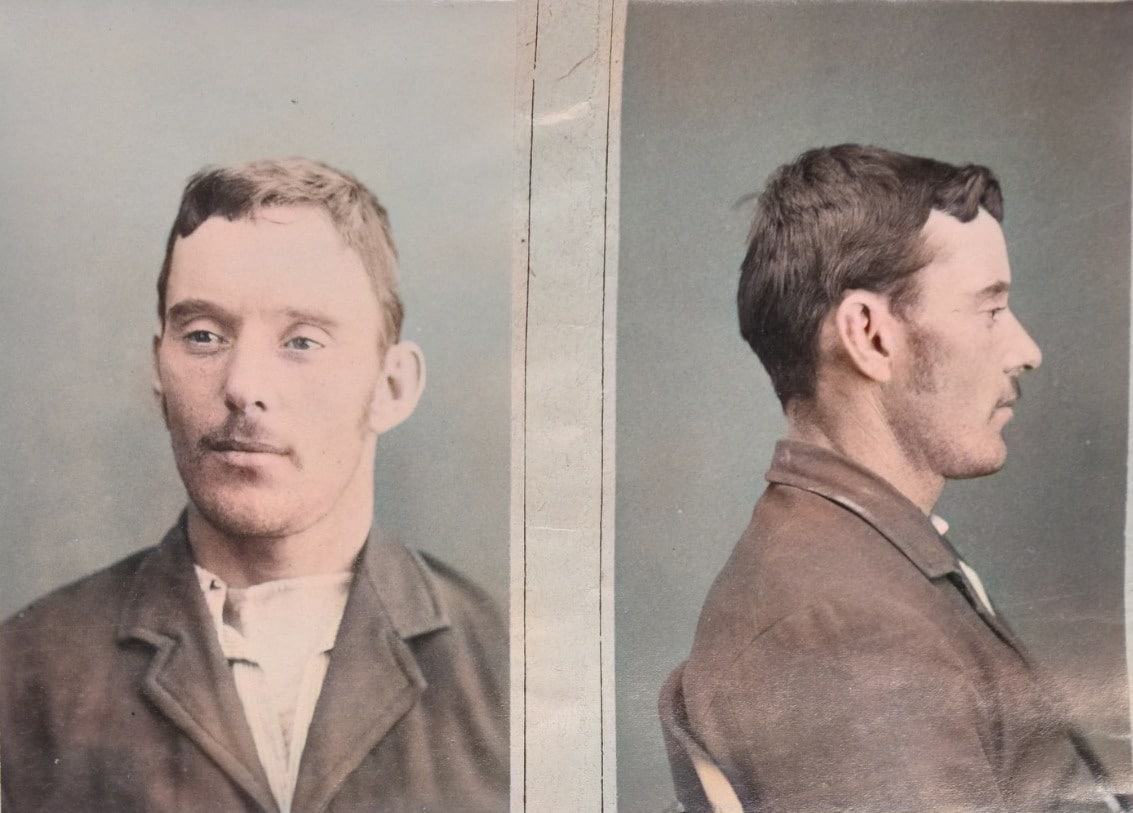
George Dean, captain of a Sydney harbour ferry celebrated for pulling drowning passengers from the water, was sentenced to death in 1895 for poisoning his wife, Mary, with arsenic and strychnine hidden in lemon syrup and tea. No one could prove he had ever bought the poison, and a public outcry over the verdict forced a Royal Commission, which found the evidence wanting; Dean walked free with a pardon that June.
The relief did not last. His own lawyer admitted to a former Chief Justice that Dean had privately confessed his guilt, and a North Shore chemist came forward swearing he had sold Dean the poison himself, with no entry ever made in the sale book. Dean was arrested again and confessed in writing.
On 24 October 1895 he was convicted of making a false declaration and sentenced to five years. The following day a second conviction, for perjury committed to procure his own acquittal on the capital charge, added fourteen years, the terms to run concurrently.
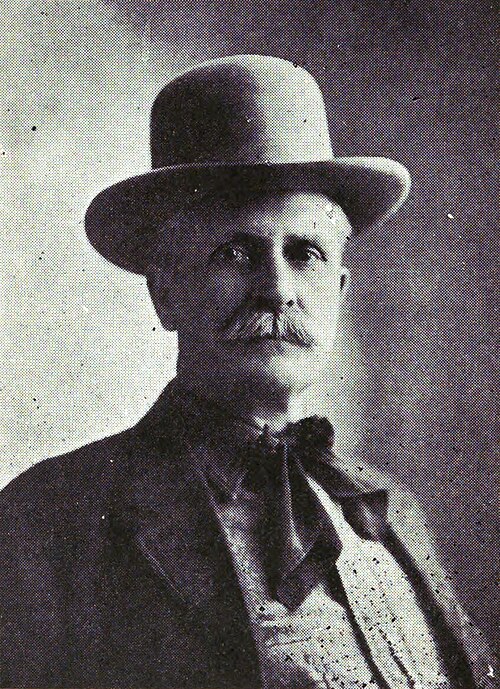
George Dean lemon syrup case. Prison photograph. Credit: Museums of History NSW, State Archives Collection.