Thomas Peacock, transported from Macquarie Harbour to stand trial, was convicted in the Supreme Court of the murder of Constable Craggs. Craggs had apprehended Peacock in the bush; Peacock stabbed him deliberately in the left side, declaring at the time that he would die happy having caused the constable’s death.
Peacock was hanged on the new drop at Hobart Gaol on 31 August 1825. His loud sobbing on the scaffold suggested the happiness he had claimed was nowhere to be found in his final moments.
On an evening in July 1825, a gang of armed bushrangers descended on the home of Samuel Haywood in the Macquarie district of Van Diemen’s Land. One of the men posed as a letter carrier, tricking Mrs Haywood into opening the door before the others rushed inside. When Haywood moved for his gun, a pistol was fired at him during the confrontation.
The gang ransacked the house and escaped with an immense quantity of property, including clothing. They were later traced to a house near the Hobart Penitentiary, where their brazenness helped betray them: several were still wearing clothes stolen from Haywood and were immediately recognised by their victim.
At the Supreme Court, John Everist, Joseph Broadhead, Charles Bradbury and William Buckley were tried for the robbery. The Attorney-General remarked that almost every crime short of murder had been committed during the raid.
Everist, Broadhead and Buckley were convicted and hanged at Hobart on 31 August 1825.
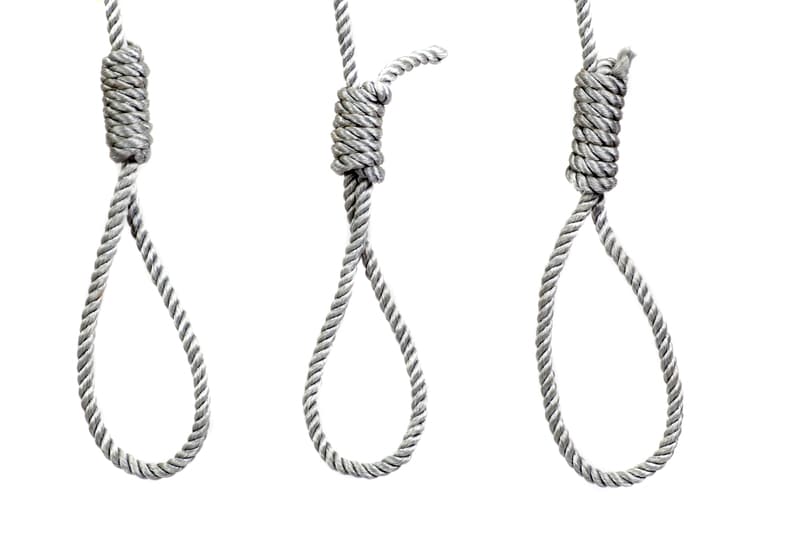
Three hanging noose ropes isolated on a white background
In February 1829, a man from the Shoalhaven region of New South Wales killed English sawyer John Rivett in the Kangaroo Valley, claiming self-defence after a dispute over a trade and a personal grievance. He and his accomplice evaded capture for months, using their knowledge of the densely forested hilly terrain to outrun colonial authorities.
Arrested in May 1829, the accused made a bold escape aboard a ship bound for Sydney, stealing the keys to his chains from a sleeping guard before jumping overboard with his companion. Recaptured and tried, he was found guilty of wilful murder and publicly executed by infamous hangman Alexander Green on 30 August 1830.
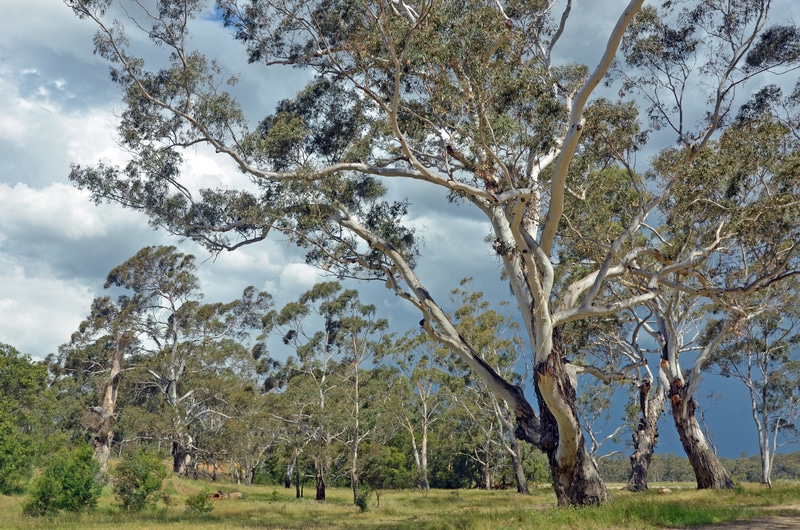
White bark gumtrees by Shoalhaven River under storm clouds
James Cusack was tried before Justice Barry at the Victorian Criminal Sessions in August 1870 for the wilful murder of his wife, Ann Cusack, at Gooley’s Creek on the Upper Goulburn River.
A neighbour, Patrick Malone, testified to a history of brutal domestic abuse: over eighteen months he had repeatedly witnessed Cusack beating, kicking, and dragging Ann by the hair. On the night of 28 June 1870, Malone watched Cusack knock her down with his fist over a hidden bottle of gin. The violence that followed proved fatal.
Cusack was convicted and hanged at Melbourne Gaol on 30 August 1870, leaving behind four children, the eldest just six years old and the youngest twelve months.
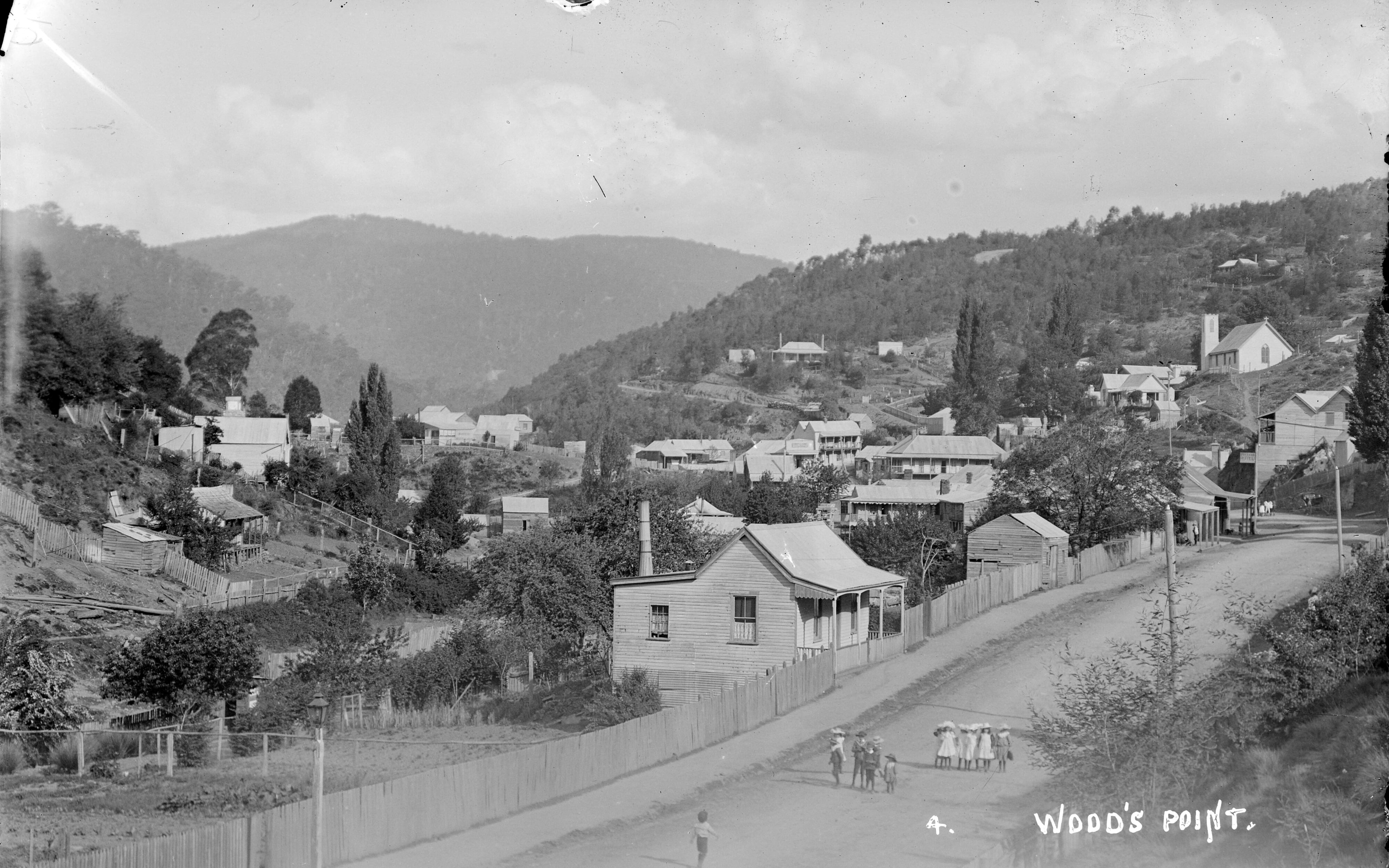
Woods Point, Charles William Dale, State Library Victoria, H36372.