1908: His Final Wish Was to See the Widow Once More: a Japanese Fisherman Hanged in Fremantle

James Henry Shaw took a Japanese fisherman named Oki Iwakichi into partnership at a riverside camp near Pinjarra, letting him manage the household finances and sleep inside the family home while Shaw worked away for months at a time. When Shaw decided to abandon the failing venture and take a job in Fremantle, Oki begged him to stay, warned he would rather die than be left penniless, and took to sleeping with a loaded rifle. On 23 August 1908, as Mrs Shaw stepped outside for rope to tie him down and calm him, Oki shot Shaw through the neck, then fled into the bush, cutting loose every boat moored on the river to slow the alarm.

At his trial, love letters from Oki to his cousin surfaced, claiming he and Mrs Shaw had lived ‘like man and wife’ for over a year; she denied it outright from the stand. The jury convicted him of wilful murder, and when led away to the condemned cell he said he was resigned to his fate, ‘if they let me see Mrs Shaw first.’ He was hanged in Fremantle on this day in 1908.

Oki had denied the charge at trial, but when asked on the gallows if he wished to say anything, he only shook his head; his last words, muttered after the chaplain’s prayer, were ‘Jesus, mercy.’
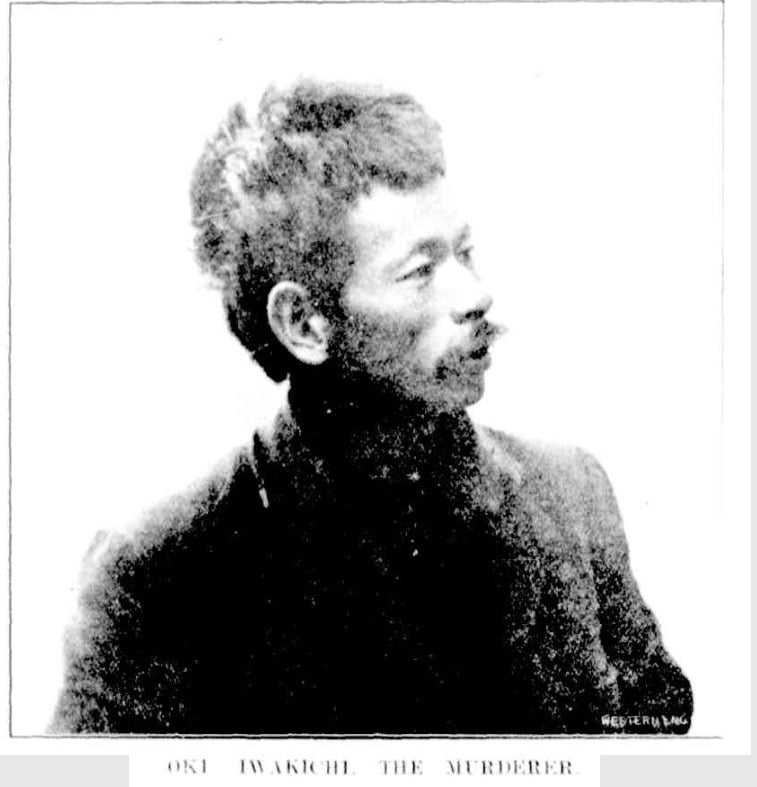

Oki Iwakichi: West Murray Tragedy murder case 1908

⬅ See all events from 27 October

Spread the word on your favourite platform!

1927: Laid Up with Influenza, Snowy Cutmore Was Shot Dead in His Sickbed by Squizzy Taylor

Snowy Cutmore had spent months hiding in Sydney after the gangland killing of an ally, but by late October 1927 he was back in Melbourne, lodging with his mother in Carlton. At the races he ran into his old rival Squizzy Taylor and the two traded threats in public; within days Cutmore came down with influenza and took to his sickbed.

On 27 October 1927, Taylor and an accomplice hired a car, drove to the house and walked straight into Cutmore’s bedroom. Gunfire erupted between the bedridden man and his visitors: Cutmore was hit five times, his mother was wounded by a stray bullet as she rushed in, and Taylor himself staggered out mortally wounded, dying in hospital within the hour.

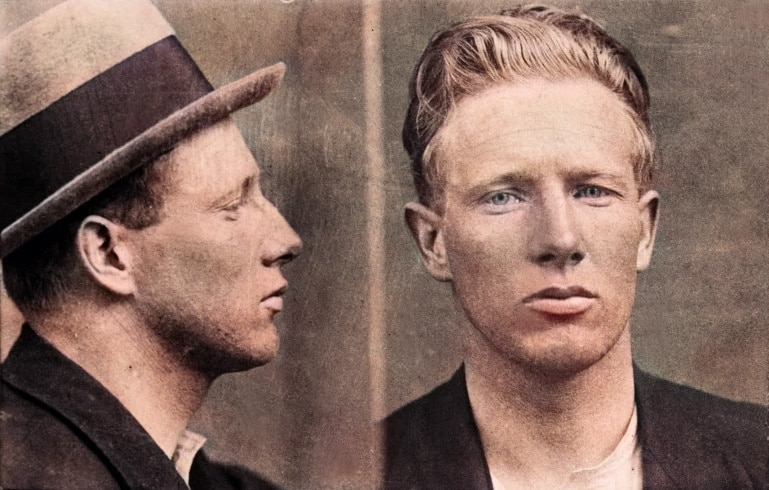
Snowy Cutmore dual portrait image from 1920

⬅ See all events from 27 October

Spread the word on your favourite platform!

1927: The Last Gamble of Squizzy Taylor: a Bedroom Shootout in Melbourne

Squizzy Taylor, Melbourne’s most infamous gang leader, walked into a Carlton sickroom on 27 October 1927 to settle an old score with his bedridden rival, John “Snowy” Cutmore. Within minutes, gunfire tore through the small house and both men were mortally wounded.

Taylor was rushed to St Vincent’s Hospital in nearby Fitzroy, where he died that evening, aged 39, without ever naming who had fired the fatal shot.

The inquest returned an open verdict. One enduring theory holds that it was not Cutmore but his mother, standing over her dying son, who pulled the trigger that finally brought down Melbourne’s most feared gangster.

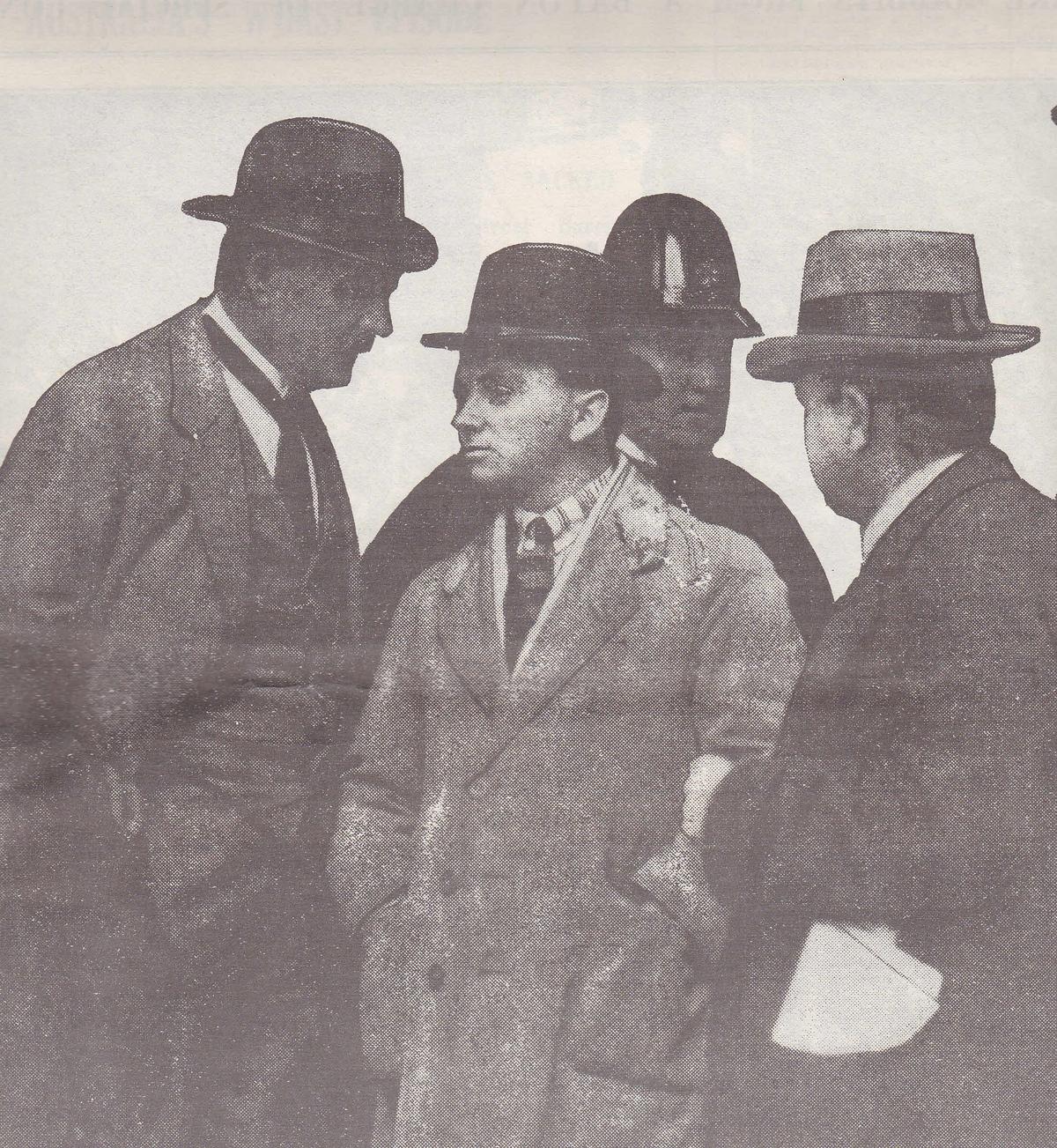
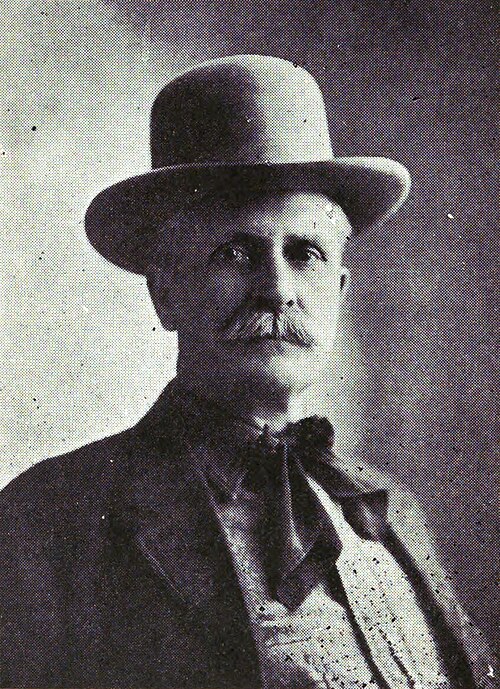
Squizzy Taylor
Squizzy Taylor

⬅ See all events from 27 October

Spread the word on your favourite platform!

1852: He Escaped the Gallows Once: Patrick Mahon Finally Hanged at Oatlands

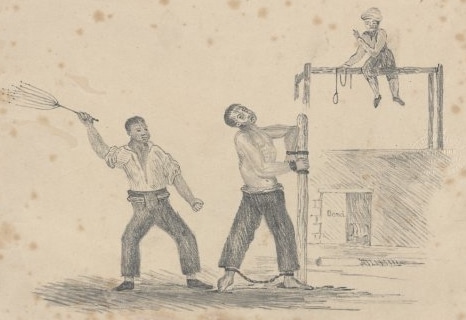
Patrick Mahon had faced the gallows before. In 1827, convicted of a highway robbery on the road from Manchester to Sheffield after borrowing a fellow traveller’s own knife to rob him, he was sentenced to death at Derby Assizes, a sentence later commuted to transportation for life. He arrived in Van Diemen’s Land the following year and spent decades drifting through minor convict offences: insolence, drunkenness, breaches of his pass, a stint in chains.

In September 1852 he was convicted again, this time of a capital crime, and sentenced to death a second time. On this day in 1852, with no reprieve coming this time, Mahon was hanged at Oatlands, the clemency that had saved him twenty five years earlier nowhere to be found.

On being sentenced, Mahon protested his innocence, but told the court he was perfectly satisfied with his trial.

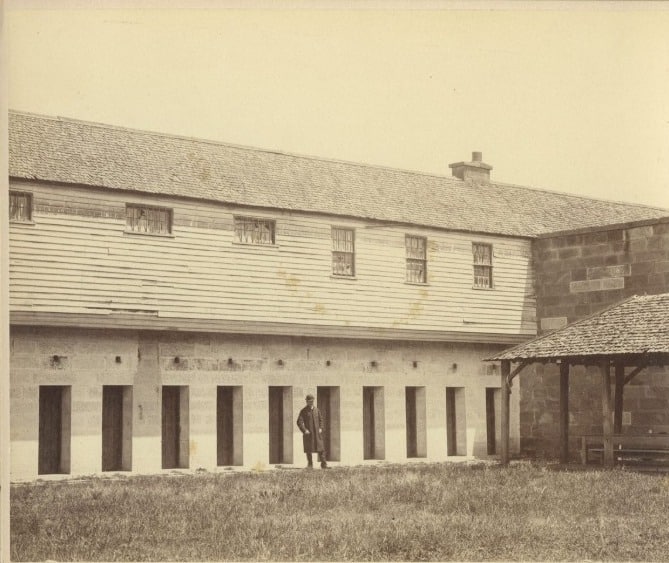
Interior of the Oatlands gaol Tasmania convict era prison cells

⬅ See all events from 26 October

Spread the word on your favourite platform!
On This Day in True Crime History

Subscribe to Dark Stories

True crime stories, dark history and tour news, straight to your inbox.