1987: The Hoddle Street Massacre: Seven Dead in Melbourne Shooting Rampage

On the evening of 9 August 1987, 19-year-old Julian Knight opened fire on motorists and pedestrians along Hoddle Street in Clifton Hill, a suburb of Melbourne, killing seven people and seriously injuring 19 others. Knight had been discharged from the Royal Military College, Duntroon just 16 days earlier following a fight and stabbing at a bar. He returned home to find his girlfriend had left him and his mother had converted his bedroom. Armed with multiple weapons, he took to the street.

After a police chase lasting more than 30 minutes, Knight was caught in nearby Fitzroy North and arrested. He was later sentenced to seven concurrent life terms, with a non-parole period of 27 years, for what the presiding judge described as ‘one of the bloodiest massacres in Australian history’. As Knight neared parole eligibility in 2014, the Victorian Government amended the Corrections Act to prevent his release unless he was in imminent danger of dying or physically incapable of causing harm.


The Hoddle Street Massacre: Seven Dead in <a href='https://darkstories.com.au/melbournes-true-crime-tour/' target='_blank' rel='noopener noreferrer'>Melbourne</a> Shooting Rampage” style=”max-width:50%; height:auto; display:block; margin:16px auto;”/></p>
<p style=⬅ See all events from 9 August

Spread the word on your favourite platform!

1789: The Birth of Policing in New South Wales

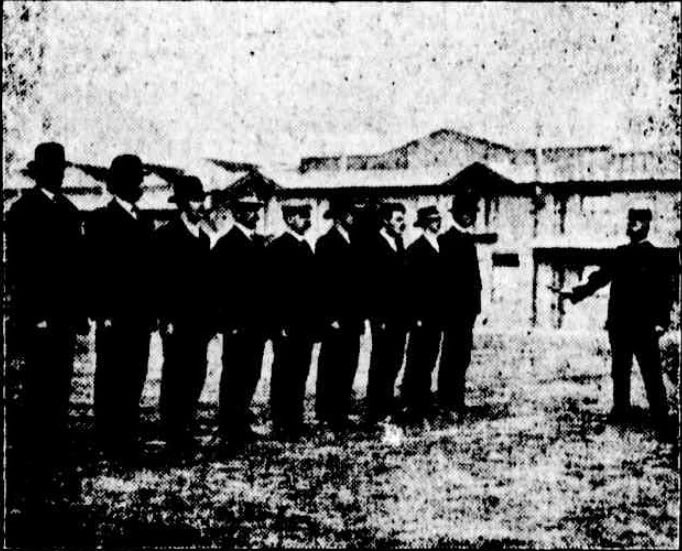
On 8 August 1789, Governor Arthur Phillip authorised the formation of a nightwatch at Sydney Cove, drawing eight of the best-behaved convicts from the colony’s population. The Royal Marines, originally tasked with policing duties, had proved unwilling to discipline their fellow convicts, forcing Phillip’s hand. A free settler named John Smith had earlier been appointed as the colony’s first constable, becoming the first recorded police officer in Australia.

The Night Watch was joined by a Row Boat Guard, also composed of selected convicts. The Night Watch was replaced by the Sydney Foot Police in 1790 and evolved into an organised force that endured until the amalgamation of all New South Wales colonial police forces in 1862.

NSW Police Force recruits training with horses revolvers drill and gear

⬅ See all events from 8 August

Spread the word on your favourite platform!

1796: First Fleet Convict John Finlow Hanged in Sydney for Murder

John Fendlow (c.1768-1796), a tinsmith convicted at the Old Bailey in 1783 for highway robbery, arrived in Sydney with the First Fleet in January 1788. After time on Norfolk Island, he received a 30-acre land grant at Mulgrave Place in November 1794 and worked as a settler in the Hawkesbury region with his partner Eleanor Byrnes.

On 4 July 1796, Fendlow shot dead his servant David Lane after Lane attempted to assault Byrnes. Byrnes testified that all three had been drinking on a boat that evening, and that Lane had come after her in the house. Fendlow was hanged in Sydney on 8 August 1796.

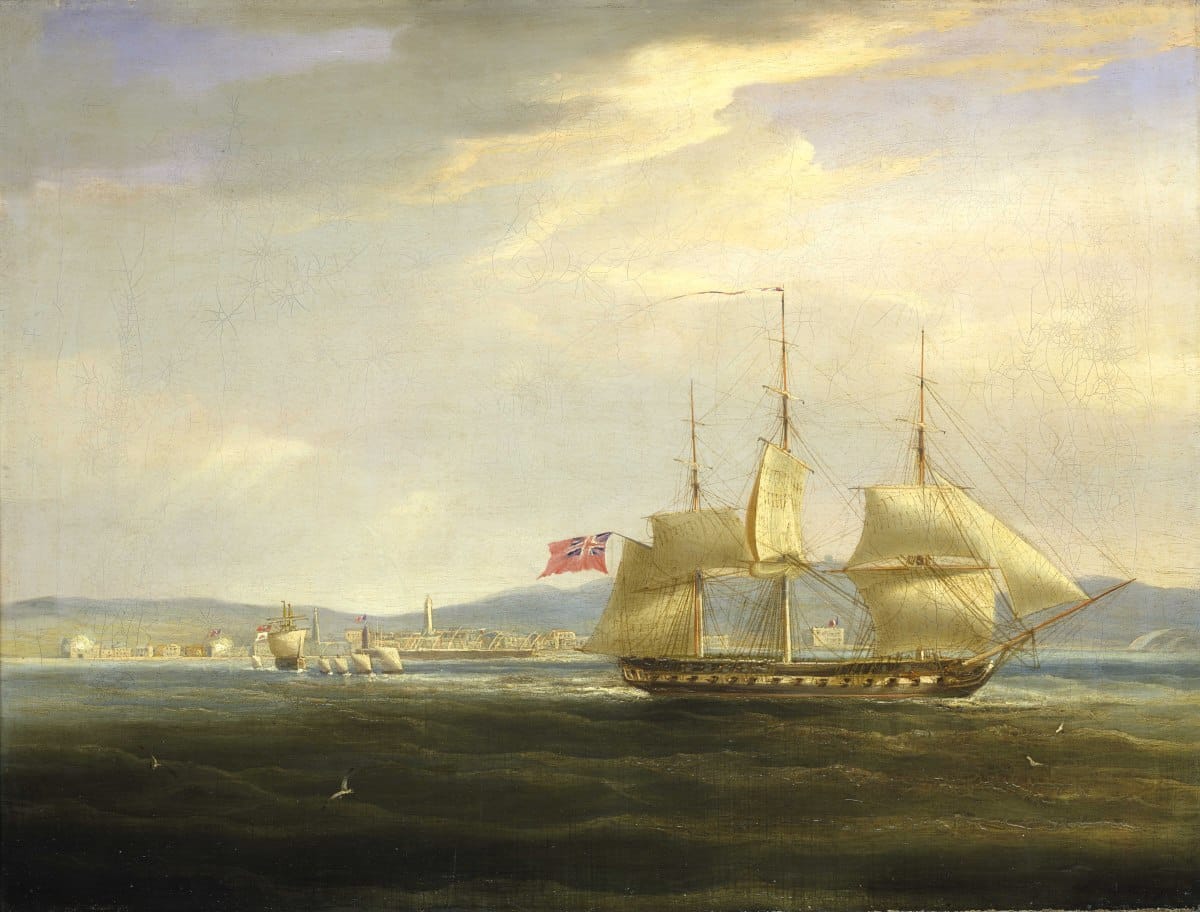
HMS Mercury after 1809. By William Huggins. National Maritime Museum, Greenwich, London

⬅ See all events from 8 August

Spread the word on your favourite platform!

1867: George Searle Hanged at Ballarat for the Piggoreet Murder

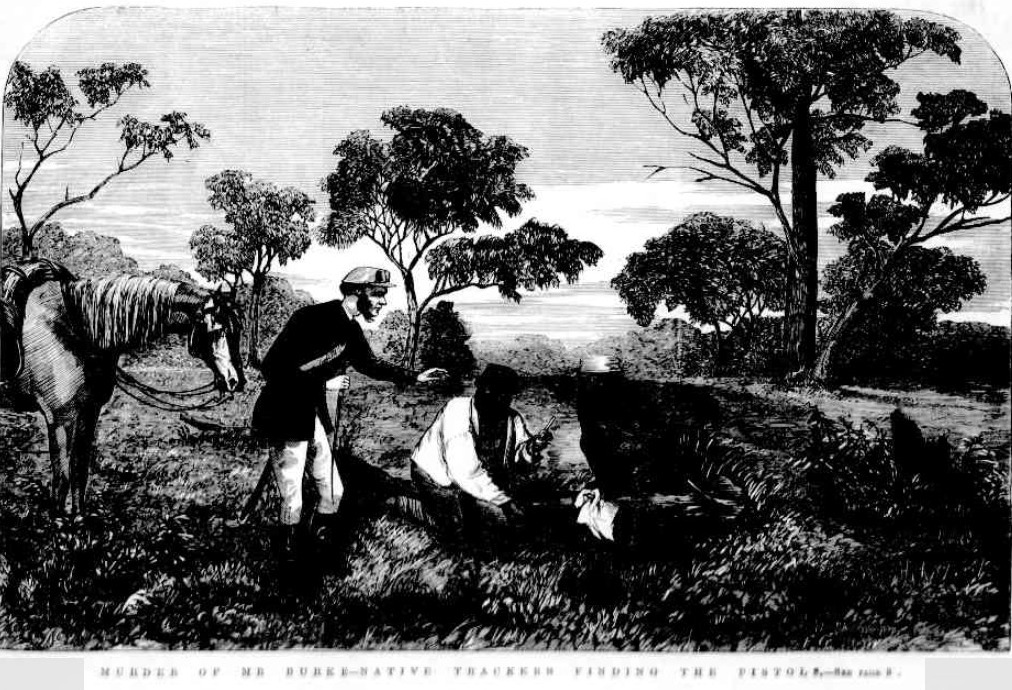
Thomas Ulick Burke, manager of the Bank of Australasia at Smythesdale, was ambushed and shot dead on 10 May 1867 while travelling alone by buggy after buying gold along the road toward Bulldog. His body was found the following day in the bush near the Coach and Horses Hotel, slumped in the buggy with his valise emptied of all gold and notes. Evidence placed George Searle and his associate Joseph Ballan near the scene that afternoon, with a witness confirming Ballan had been scouting goldfield yields in the days before the murder.

At the Ballarat Circuit Court, before Judge Barry, both men were tried for wilful murder. Searle, keeper of the Cosmopolitan Hotel, and Ballan, a lodger there, had been seen together at key locations along the murder route on the day of the killing. Horseshoe markings provided further physical evidence linking the pair to the crime. Searle was convicted and hanged at Ballarat on 7 August 1867.

Murder of Mr Burke native trackers finding the pistols

⬅ See all events from 7 August

Spread the word on your favourite platform!
On This Day in True Crime History

Subscribe to Dark Stories

True crime stories, dark history and tour news, straight to your inbox.