Before dawn on Friday 13 October 1307, royal officers across France moved on hundreds of Knights Templar at once, arresting the warrior monks in their own preceptories under sealed orders opened simultaneously nationwide. King Philip the Fair, deeply in debt to the order he had once sworn to protect, accused its knights of heresy and secret blasphemous rites.

Under torture, many confessed to charges historians now regard as fabricated to justify seizing the order’s vast wealth. The arrests marked the beginning of the end for the Templars, who were suppressed within a few years and their leaders burned at the stake, and contributed to the enduring misfortune of the date of Friday the 13th.


Medieval illustration of the Grand Master of the Templars burning at the stake.

⬅ See all events from 13 October

Spread the word on your favourite platform!

The trouble began with cooking pots. When the commandant of the Norfolk Island penal settlement ordered all private kettles and saucepans confiscated in June 1846, tightening an already brutal regime, convicts erupted in fury the next morning. A mob armed with axes and wooden billets killed a convict constable at the lumber-yard gate, beat an overseer to death with a carving fork and billets, then struck down two more sleeping constables before soldiers finally restored order.

Fourteen men were tried months later before a military jury; twelve were convicted and hanged in two batches of six on the same morning in October 1846, their bodies buried outside consecrated ground in a spot still known as Murderers’ Mound. A thirteenth man was hanged six days after for the same overseer’s killing.

Before his execution, the ringleader declared that four of the twelve condemned men were innocent, insisting he had not even spoken to one of them on the morning of the riot and that the others had played no part in the killings, but it was to no avail.

Murderers mound on Norfolk Island circa 1900

⬅ See all events from 13 October

Spread the word on your favourite platform!

Two days after shooting cabdriver Paul Stine dead in San Francisco, the Zodiac Killer sent the San Francisco Chronicle a taunting letter dated October 13, 1969. Inside was a torn piece of Stine’s bloodstained shirt, offered as proof the killer was the same man terrorising the Bay Area, not a copycat.

The letter mocked police for failing to catch him despite patrols flooding the area that night, and promised more killings to come. It remains one of several pieces of physical evidence tied to an identity that, more than fifty years on, has never been conclusively proven.

Symbolism
Symbolism

⬅ See all events from 13 October

Spread the word on your favourite platform!

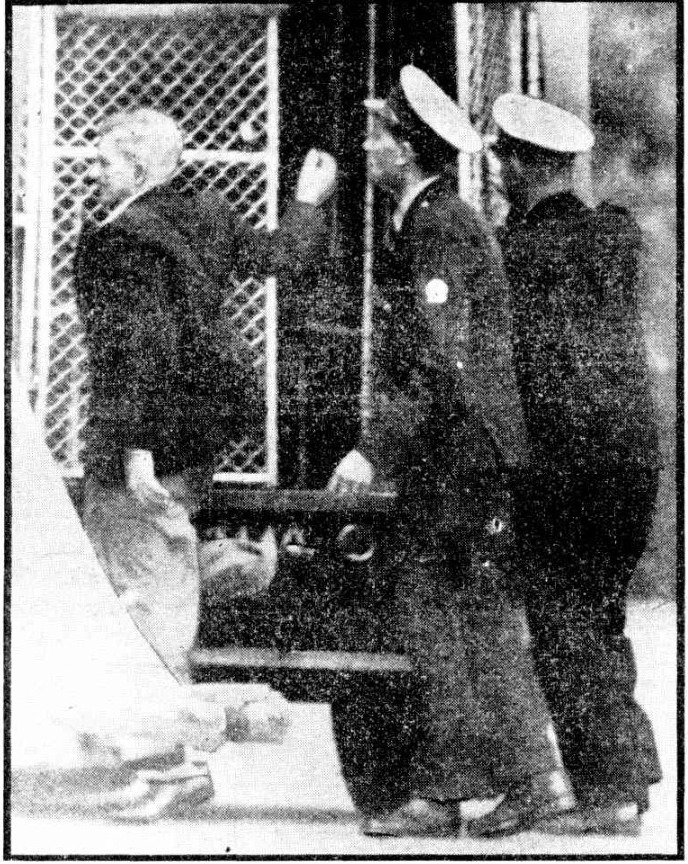
On 12 October 1950, at Collie, near Perth, milk carter Raymond Armanasco murdered several members of his family. His own defence counsel told the jury it was possibly the most gruesome case ever unfolded in a Western Australian court, and argued Armanasco had been temporarily insane.

Through two days of evidence at his trial, Armanasco spoke only two words: “not guilty.” The jury took just forty minutes to convict him of murder, but attached to its verdict the “strongest recommendation for mercy.” He was sentenced to hang, yet in April 1951 the Executive Council accepted that plea and commuted his death sentence to life imprisonment with hard labour.

Raymond Armanasco arrives at court Perth 1950

⬅ See all events from 12 October

Spread the word on your favourite platform!
On This Day in True Crime History

Subscribe to Dark Stories

True crime stories, dark history and tour news, straight to your inbox.