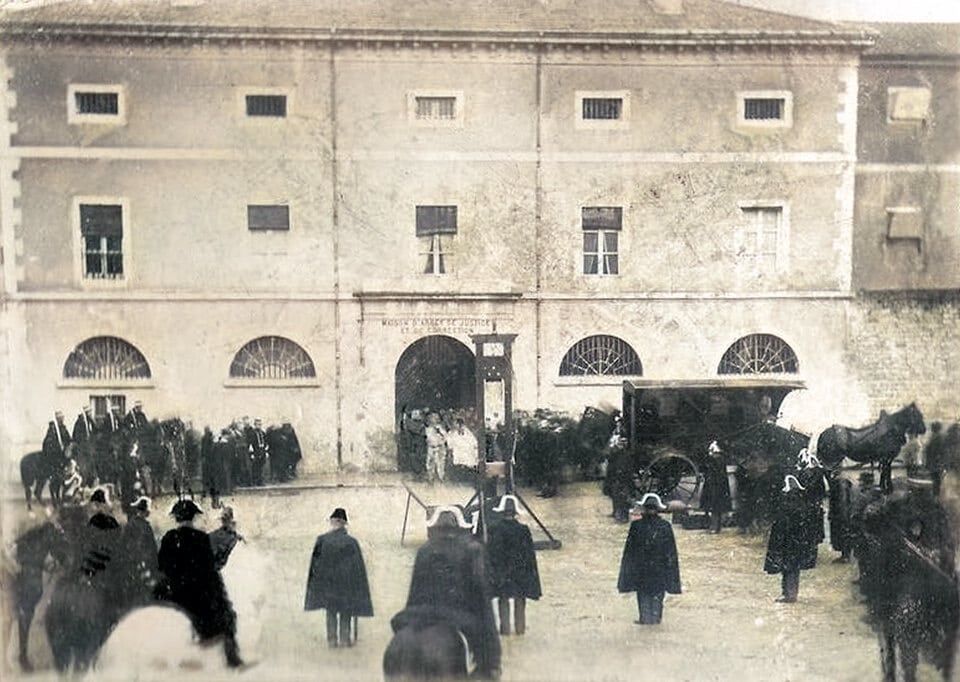
Thursday, October 4, 1582, went to bed as normal. The next morning, by papal decree, it was Friday, October 15. Pope Gregory XIII had just deleted ten days from the lives of everyone in the lands that adopted his new calendar, not through war or plague but with a stroke of the pen.

The old Julian calendar, running since Julius Caesar set it up in 45 BCE, drifted by about a day every century, slowly dragging the spring equinox out of place. Gregory’s fix was elegant on paper and bewildering in practice: landlords demanded a full month’s rent for a fortnight no one had lived through, wages fell short, and in some towns crowds accused the Church of stealing their days outright. The new rule that century years are only leap years if divisible by 400 quietly corrected the error for good, and the dates we live by today are still Gregory’s.


The Time Thief
The Time Thief

⬅ See all events from 5 October

Spread the word on your favourite platform!

Harold Shipman was a trusted family doctor in Hyde, England, who killed his patients with lethal injections of diamorphine and then falsified their medical records to make the deaths look natural. He often urged grieving families toward cremation, quietly destroying the evidence a post-mortem might have found.

What he did not understand was his own surgery computer. The practice software secretly time stamped every entry, and when investigators compared those hidden timestamps to the dates on his altered files, the lie was obvious: he had been rewriting patient histories after his victims were already dead. He went on trial in 1999 charged with just 15 murders, though he is believed to have killed close to 250 patients over more than two decades, making him Britain’s most prolific serial killer.

Shipman never confessed and maintained his innocence throughout the trial. He was convicted on all counts and later took his own life in prison.

A Serial Killers Computer Log tracked everything.

⬅ See all events from 5 October

Spread the word on your favourite platform!

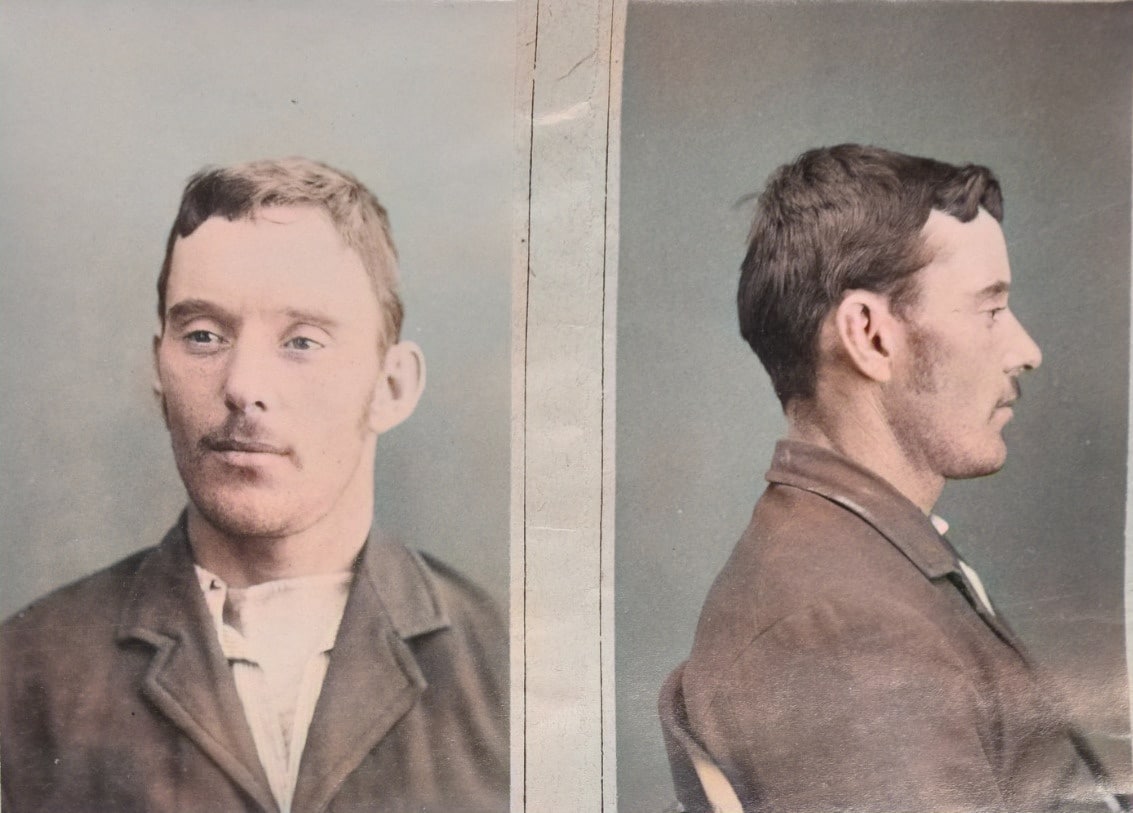
George Dean had already escaped the gallows once, pardoned after a Royal Commission cast doubt on the poisoning case against his wife, Mary. Then a North Shore chemist named Smith came forward, admitting he had sold Dean arsenic and strychnine after Dean claimed he needed a double dose and two poisons to deal with rats on his property.

On 5 October 1895 detectives approached Dean just as he stepped off his ferry at Sydney‘s Circular Quay, still dressed in his captain’s uniform, and arrested him again. “I wonder how many more times I shall be arrested over this affair,” he remarked, before going with the detectives.

Dean subsequently confessed in writing to poisoning his wife. He was convicted of perjury committed to procure his own acquittal and sentenced to fourteen years, while his former lawyer and others faced charges of conspiring to pervert the course of justice.

George Dean lemon syrup case. Prison photograph. Credit: Museums of History NSW, State Archives Collection.

⬅ See all events from 5 October

Spread the word on your favourite platform!

In October 1993, a local man out gathering firewood stumbled on human remains in a remote corner of Belanglo State Forest. The bones belonged to Deborah Everist and James Gibson, a Melbourne couple missing since 1989.

What unsettled investigators was that Gibson’s camera and backpack had already turned up years earlier, dumped by the roadside at Galston Gorge, more than 120 kilometres from where his body finally lay. Within weeks, a wider search of the forest uncovered four more young backpackers buried nearby, confirming Belanglo as the burial ground of a serial killer.

Belanglo State Forest

⬅ See all events from 5 October

Spread the word on your favourite platform!
On This Day in True Crime History

Subscribe to Dark Stories

True crime stories, dark history and tour news, straight to your inbox.