Archives: Dark Stories: On This Day In True Crime History - Page 80
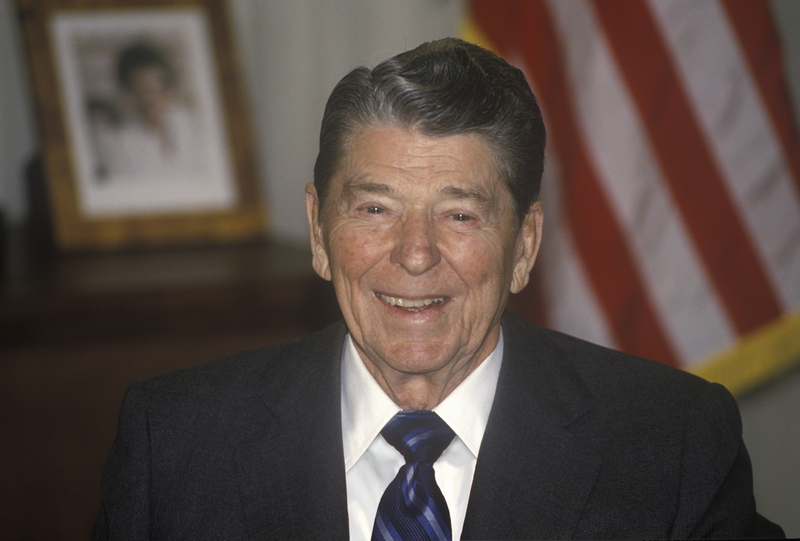
In March 1981, John Hinckley Jr. fired six shots at President Ronald Reagan outside a Washington D.C. hotel, wounding Reagan and three others. The attack was later revealed to be motivated by an obsession with actress Jodie Foster.
On 28 August 1981, Hinckley entered a plea of not guilty to charges of attempted assassination. He was ultimately found not guilty by reason of insanity in 1982 and was committed to St. Elizabeths Hospital, a psychiatric facility in Washington D.C.
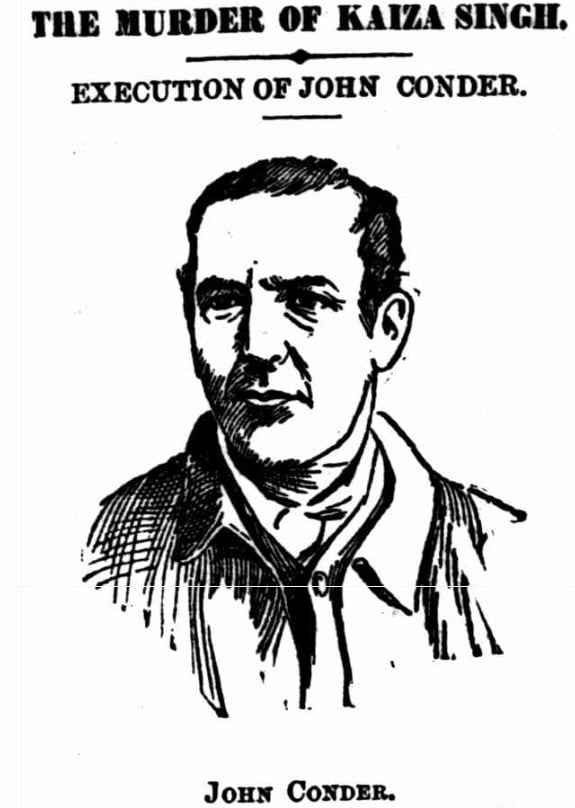
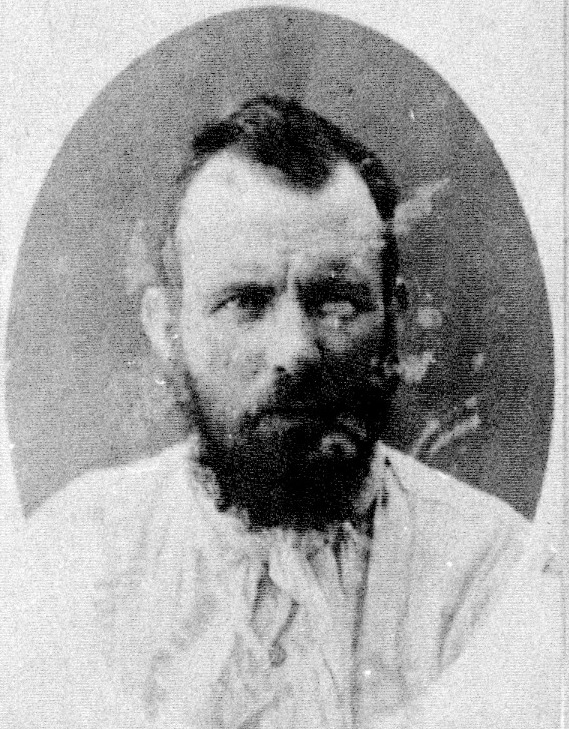
John Conder was hanged at Melbourne Gaol on 28 August 1893 for the murder of Kaiza Singh, a Hindu hawker, near Buchan in eastern Victoria. Several hundred people gathered outside the prison, and inside, around two dozen witnesses attended the execution.
Conder was led to the scaffold by the hangman and his assistant, both heavily bearded. A chaplain, recited prayers at the scaffold. When asked by the Sheriff if he wished to make a statement, Conder, who was hard of hearing, shook his head. The rope was placed around his neck and the cap drawn over his face.
Conder cried out “O God, have mercy on my soul” before the bolt was drawn.
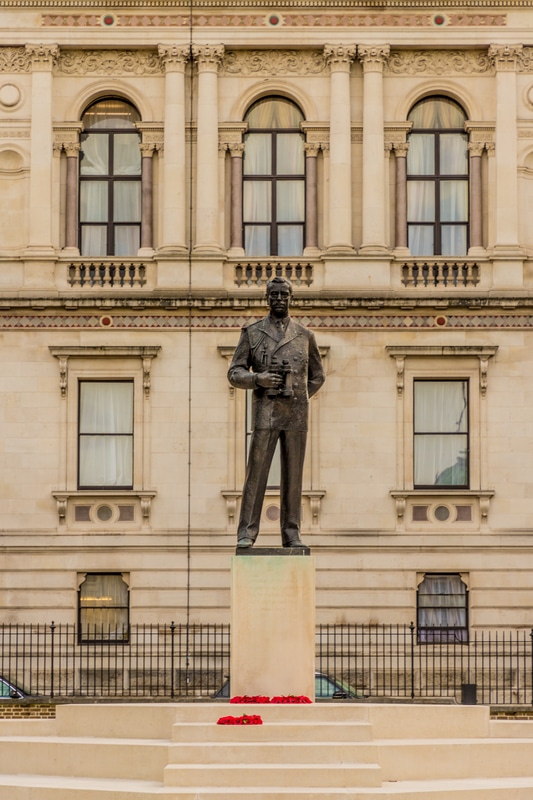
On 27 August 1979, Lord Louis Mountbatten, 79, was killed when a bomb planted by the Provisional IRA detonated aboard his fishing boat, Shadow V, in the waters off Mullaghmore, County Sligo, Ireland. The bomb, concealed on the vessel the night before, was remotely detonated as Mountbatten and family members set out from the harbour. Three others died in the blast, including his 14-year-old grandson Nicholas Knatchbull and a 15-year-old local boy.
Thomas McMahon, an IRA bomb-maker, was arrested hours before the explosion on unrelated grounds and later convicted of the murders based on forensic evidence linking him to the boat. The attack was coordinated with the Warrenpoint ambush the same day, which killed 18 British soldiers, making 27 August 1979 one of the deadliest days for British forces during the Troubles.
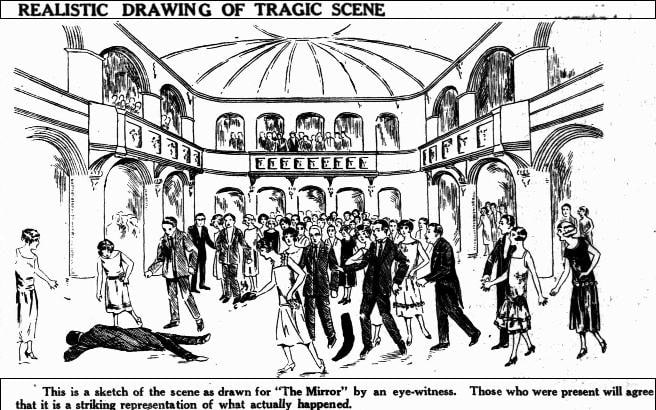
At a charity ball in the Government House Ballroom in Perth on the night of 26 August 1925, Audrey Jacob, a 20-year-old art student, shot her former fiance Cyril Gidley through the heart in front of hundreds of revellers.
Gidley, a 25-year-old ship’s engineer, had ended their engagement months earlier, dramatically throwing the engagement ring into the sea. Audrey had attended the ball in costume as Pierrette, a lovesick clown; when Gidley ignored her all evening, she slipped away, changed into a striking blue evening gown, and returned. As the orchestra struck up an encore dance number, she approached him on the floor. A single shot rang out and Gidley collapsed without a word.
Audrey stood over the body, smoking gun in hand, and declared to the stunned crowd: ‘I did it. Take me away. It’s all right. I know what I’ve done.’ She claimed the gun discharged accidentally during a confrontation. The case became a media sensation and led to a landmark trial in which she was found not guilty.