Kim Jae-kyu was no outsider. As head of South Korea’s Central Intelligence Agency, he had spent years enforcing President Park Chung-hee’s authoritarian rule, even as protests against it grew and corruption allegations mounted. On this day in 1979, during a private dinner at a KCIA safe house near the Blue House, South Korea’s equivalent of the American White House, Kim turned on the man he served and shot him dead at the table.

The killing sent shockwaves through the nation and exposed the deep fractures within Park’s own inner circle. Kim and several others implicated in the assassination were tried and executed in 1982, closing a case that marked the violent end of nearly two decades of authoritarian rule.
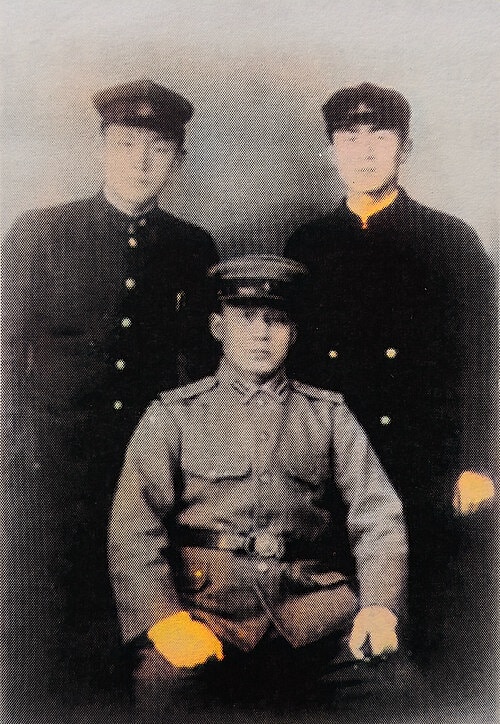

Park Chung Hee in earlier dates as military officer with classmates group photo

⬅ See all events from 26 October

Spread the word on your favourite platform!

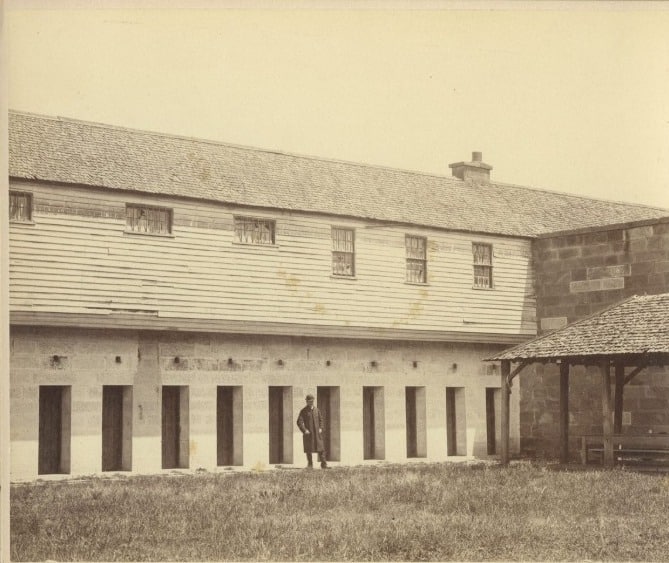
Patrick Mahon had faced the gallows before. In 1827, convicted of a highway robbery on the road from Manchester to Sheffield after borrowing a fellow traveller’s own knife to rob him, he was sentenced to death at Derby Assizes, a sentence later commuted to transportation for life. He arrived in Van Diemen’s Land the following year and spent decades drifting through minor convict offences: insolence, drunkenness, breaches of his pass, a stint in chains.

In September 1852 he was convicted again, this time of a capital crime, and sentenced to death a second time. On this day in 1852, with no reprieve coming this time, Mahon was hanged at Oatlands, the clemency that had saved him twenty five years earlier nowhere to be found.

On being sentenced, Mahon protested his innocence, but told the court he was perfectly satisfied with his trial.

Interior of the Oatlands gaol Tasmania convict era prison cells

⬅ See all events from 26 October

Spread the word on your favourite platform!

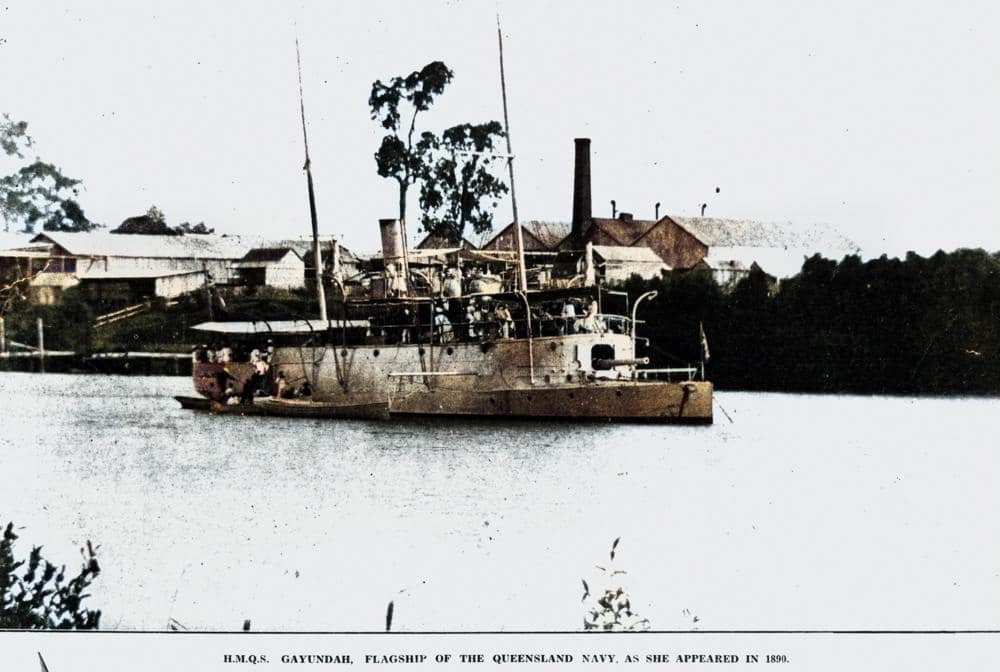
Captain Henry Townley Wright refused to hand command of the gunboat Gayundah to his second officer, Lieutenant Francis Taylor, and had him arrested instead, declaring the vessel under Royal Navy authority rather than the Queensland government. He threatened to train the ship’s guns on the Parliament building overlooking the Brisbane River while loading coal and three months of supplies, apparently preparing to sail for Sydney rather than be dismissed over a long running dispute about unauthorised spending of public funds.

On this day in 1888, the Colonial Secretary sent the Police Commissioner and twenty armed constables to retake the ship, drawing a crowd of two thousand onlookers to the riverbank. After a tense standoff, Wright accepted defeat. He wrote a formal letter of protest, read it aloud on deck, released Taylor from arrest, then calmly borrowed a light for a cigarette from a bystander before stepping ashore under police escort.

HMQS Gayundah Queensland Navy flagship in 1890

⬅ See all events from 25 October

Spread the word on your favourite platform!

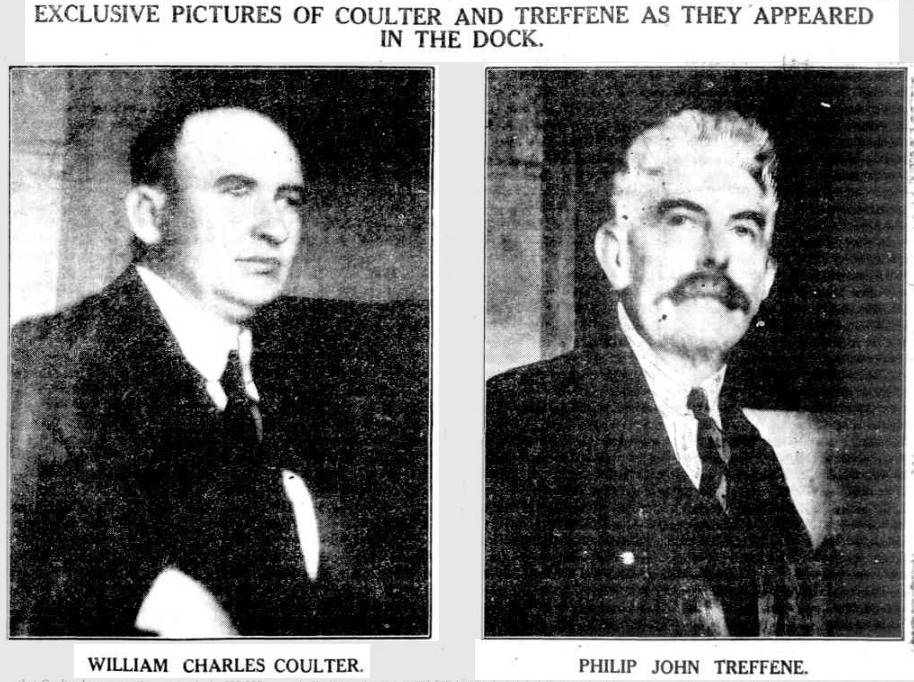
William Coulter and Phillip Treffene were illegal gold buyers on the Kalgoorlie goldfields, trading in stolen bullion. When Detective-Inspector John Walsh and Sergeant Alexander Pitman closed in near Boulder on 28 April 1926, the two men shot them dead, then cut up and burned as much of the bodies as they could before dumping the rest down a mineshaft.

At trial, the pair claimed the shootings were a freak accident, a shotgun discharging as Treffene stumbled while fleeing. The jury took four hours to reject the story, returning a verdict of guilty and adding that they bitterly regretted the accomplice who had helped dispose of the bodies was not standing trial alongside them.

In the condemned cell, Coulter let slip a stranger secret: for years he had buried stolen gold bars across the goldfields, marking a chosen tree with a notch and pacing out the distance with a length of string he always carried. He never told a soul where the bars lay, and with his death the locations, worth thousands of pounds, were lost for good.

Coulter and Treffene were hanged in Fremantle on this day in 1926, within minutes of each other.

Both protested their innocence from the gallows. Coulter said, “I am innocent of the crime that I have been charged with,” while Treffene called it, “purely and simply an accident.”

Coulter and Treffene in the dock courtroom pictures 1926

⬅ See all events from 25 October

Spread the word on your favourite platform!
On This Day in True Crime History

Subscribe to Dark Stories

True crime stories, dark history and tour news, straight to your inbox.