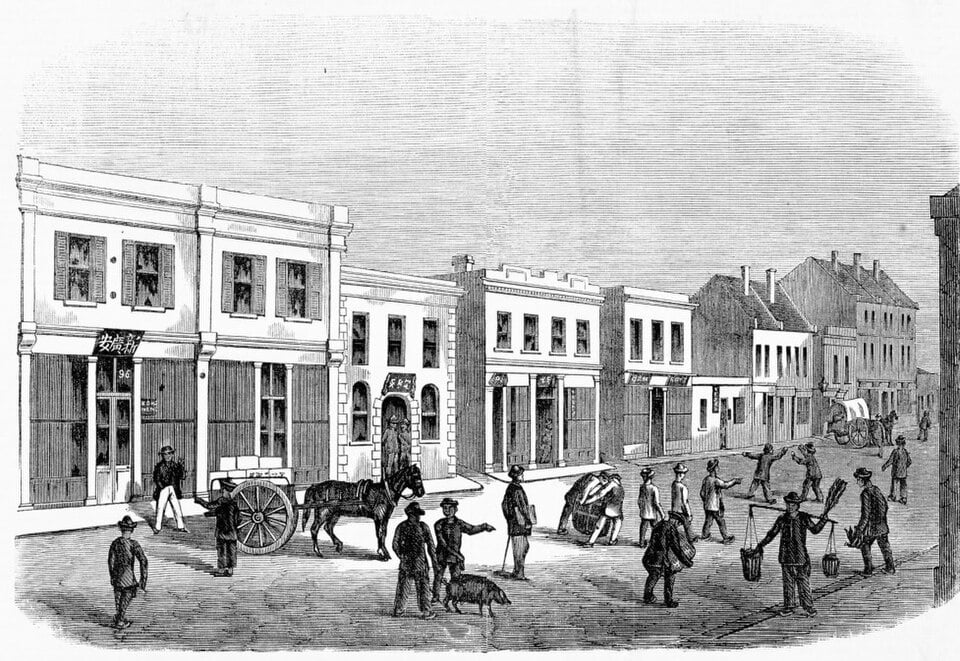
On September 7, 1876, the Jesse James-Younger Gang rode into Northfield, Minnesota, intending to rob the First National Bank. Inside, cashier Joseph Lee Heywood refused to open the safe even as a revolver was pressed to his head and he was pistol-whipped; he was shot dead at his desk for his defiance, having falsely claimed the safe was on a time lock.

Outside, armed townspeople grabbed rifles and shotguns and opened fire from doorways and windows along the main street. Two of the raiders, Clell Miller and William Stiles, were killed in the street, and several others were wounded before the surviving gang members fled empty-handed.

A massive manhunt followed through the Minnesota countryside. Jesse and Frank James eventually broke away and escaped, but Cole, Jim and Bob Younger were tracked down two weeks later, badly wounded, and captured. The disastrous raid effectively destroyed the gang as a fighting unit and ended its run of successful robberies.
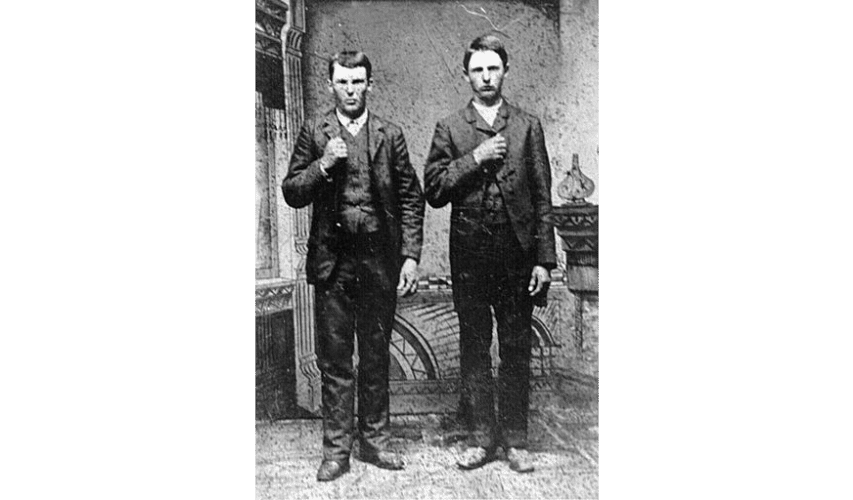

Jesse and Frank James

⬅ See all events from 7 September

Spread the word on your favourite platform!

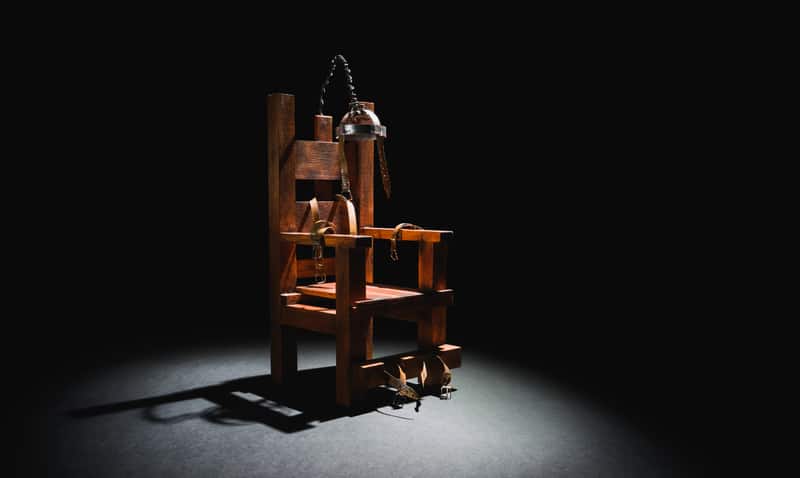
Donald Henry Gaskins Jr., known as Pee Wee Gaskins, was executed in the electric chair at Broad River Correctional Institution in South Carolina at 1:10 a.m. on 6 September 1991, aged 58. A serial killer confirmed to have murdered at least thirteen people between 1970 and 1975, including six teenagers and a two-year-old, he had originally been sentenced to death in 1976 for one of eight bodies found buried near his home in Prospect, South Carolina. That sentence was overturned, and he pleaded guilty to nine murders in exchange for life imprisonment.

His second death sentence came after he murdered a fellow death row inmate, Rudolph Tyner, using C4 explosive while incarcerated at Central Correctional Institution in Columbia. Hours before his execution, Gaskins attempted suicide by slitting his wrists. He claimed to have killed 110 people, a figure widely dismissed by law enforcement and journalists as a bid for notoriety.

His last words were: ‘I’ll let my lawyers talk for me. I’m ready to go.’

Electric chair
Electric chair

⬅ See all events from 6 September

Spread the word on your favourite platform!

On the night of 6 September 1971, dairy farmer Clifford Bartholomew murdered ten members of his family at their Hope Forest property south of Adelaide, including his wife, seven children aged between four and 19, his sister-in-law and his infant nephew. When police arrived, Bartholomew was sitting calmly at the kitchen table drinking beer; one detective later described him as “cool, calm and collected.”

Bartholomew admitted the killings and was sentenced to death, but his sentence was later commuted to life imprisonment. Despite the scale of the crime, he was released on parole in 1979 after serving just eight years.

Under the new identity Clifford Palmer, he rebuilt his life, remarried and became stepfather to seven children. He lived quietly until his death in 2002. Years later, his second family learned the full extent of his past and discovered that the man they had known as “Poppy Cliff” had been responsible for one of Australia’s worst family massacres.

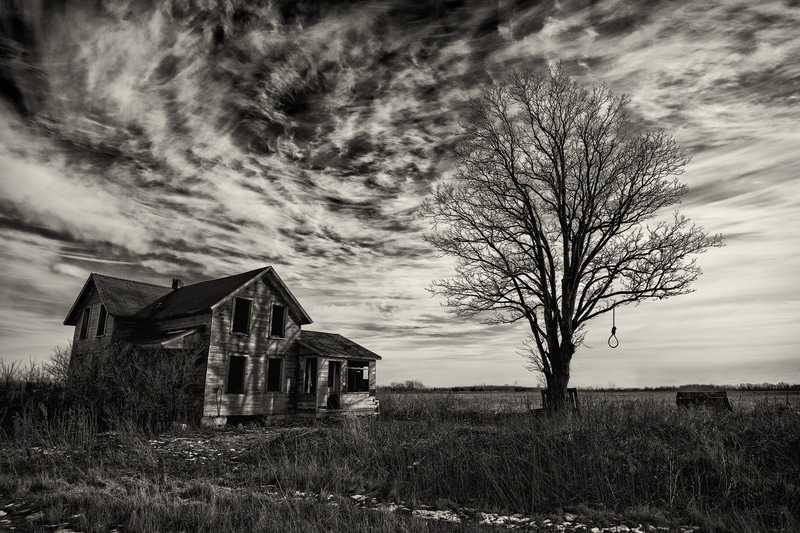
Abandoned farmhouse with hangmans noose under dark sky

⬅ See all events from 6 September

Spread the word on your favourite platform!

On 6 September 1924, twenty-one-year-old John Dillinger joined his friend Edgar Singleton in robbing a local grocer, Frank Morgan, as he returned home carrying the week’s takings. Dillinger struck Morgan with a cloth-wrapped iron bolt. Both men were arrested, but despite Dillinger having no prior record, he received the harsher sentence: between 10 and 20 years. Singleton, the experienced criminal who had planned the job, hired a lawyer and walked away with a lighter term.

Inside the Indiana State Reformatory, Dillinger kept his head down, worked as a seamster in the shirt factory, and carefully cultivated friendships with hardened criminals including Harry Pierpont, Homer Van Meter, and Charles Makley. These men would later form the core of the Dillinger gang. He later wrote to his father: ‘if I had gotten off more leniently when I made my first mistake this would never have happened.’

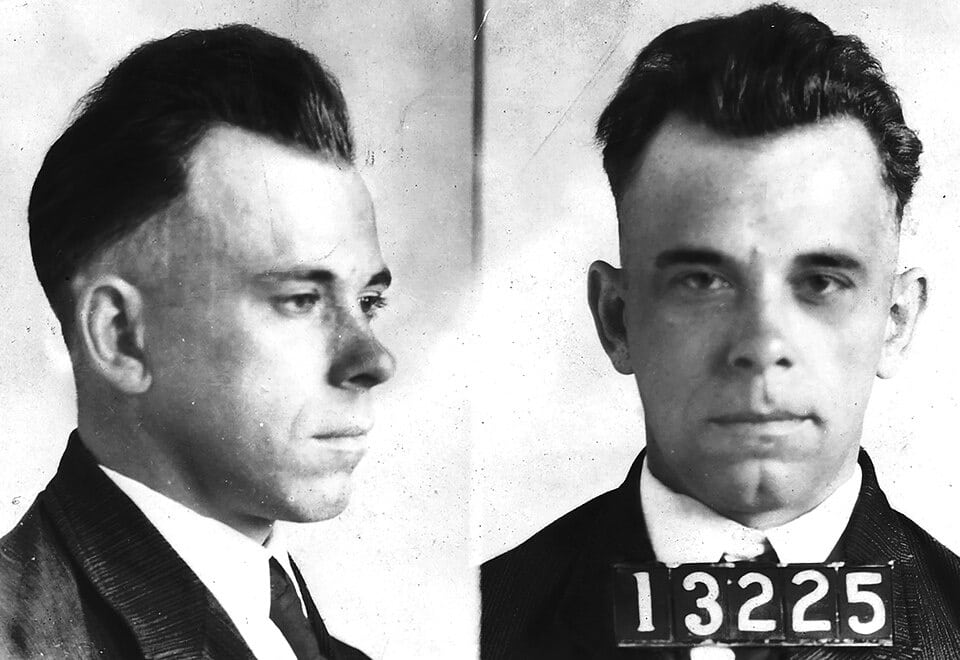
John Dillinger 1924 mugshot

⬅ See all events from 6 September

Spread the word on your favourite platform!
On This Day in True Crime History
1853·"I Would Finish You Now": Hanged in Melbourne for the Murder of His Mistress
1853·The Young Witness Testifies: Alexander Ram Hanged in Melbourne for Murdering Kitty Hennessy
1883·Hanged in Perth, Each Still Blaming the Other to the End
1885·Hanged in Brisbane After a Feverish Stockman Shot the Manager Who Denied Him Hospital
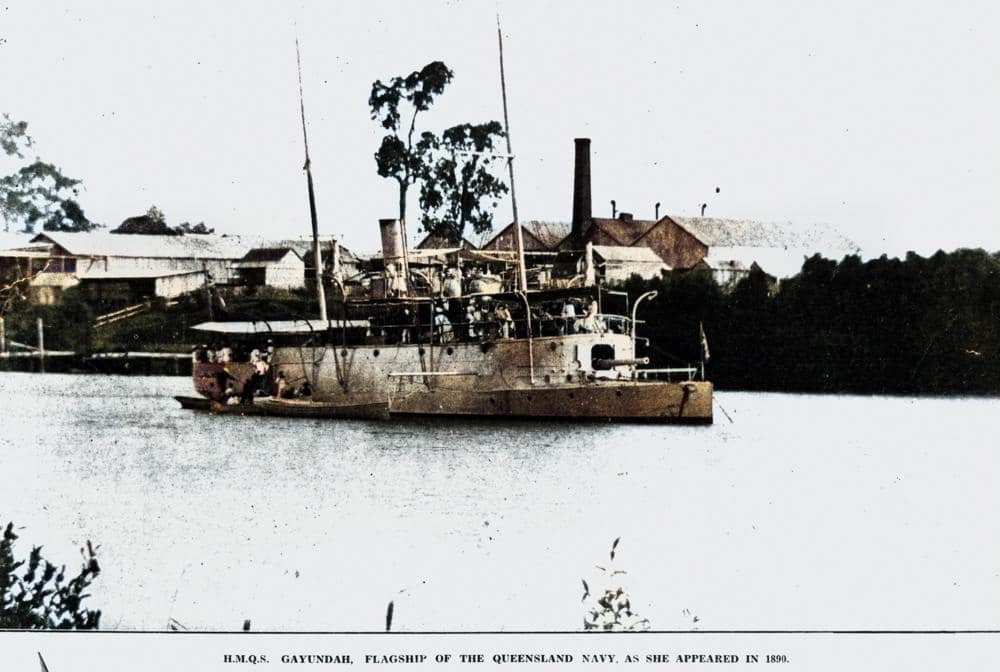
1888·Mutiny on the Brisbane River: the Captain Who Threatened to Turn His Guns on Parliament
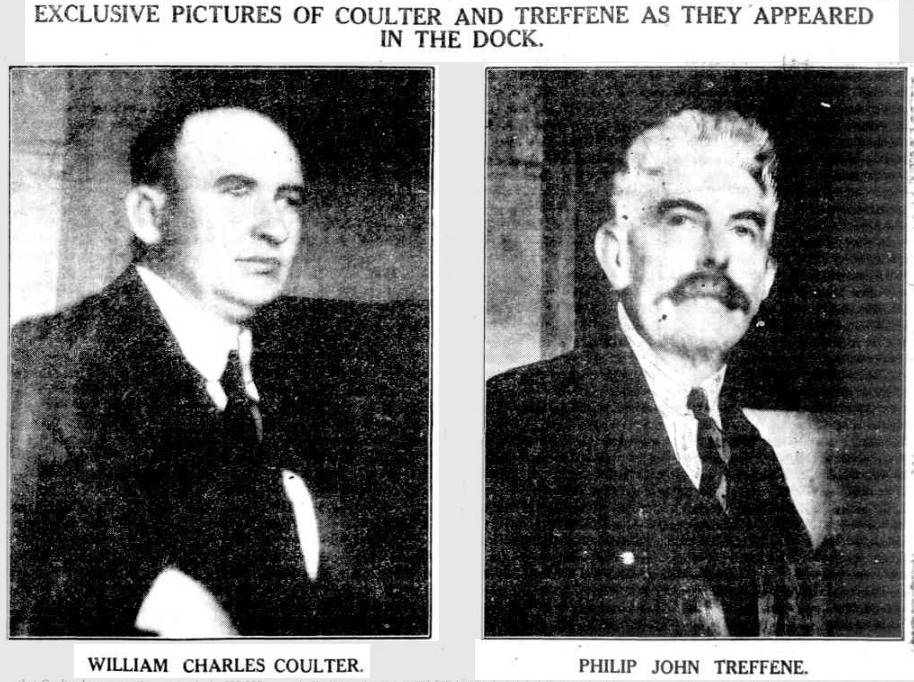
1926·The Gold He Took to His Grave: Two Men Hanged in Fremantle for Killing Two Police Officers
More Crime On This Day →

Subscribe to Dark Stories

True crime stories, dark history and tour news, straight to your inbox.