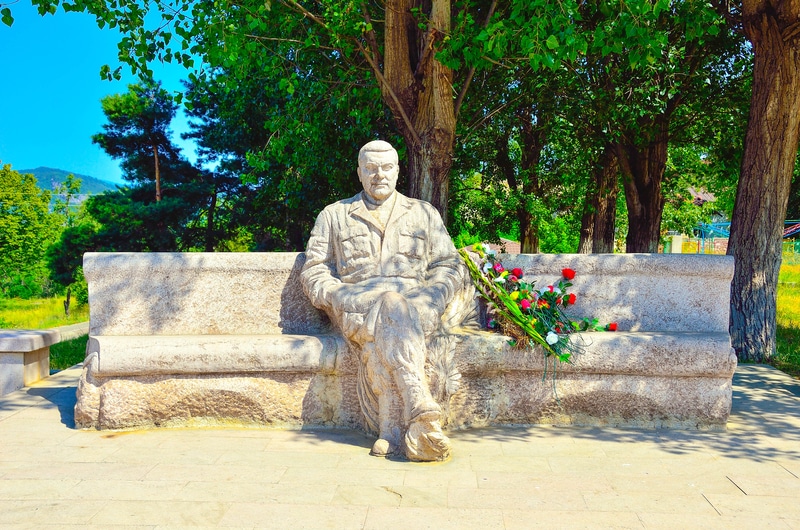
Georgi Zhukov was the Soviet Union’s most celebrated soldier, the man who had accepted Germany’s surrender and inspected the Moscow Victory Parade. That fame became his undoing. After Stalin’s death, Zhukov helped Nikita Khrushchev secure power and was rewarded with the post of Defence Minister, but his popularity soon made him look like a rival rather than an ally.

In October 1957, while Zhukov was away on an official visit to Yugoslavia and Albania, the ground shifted beneath him. He flew back into Moscow on 26 October and was taken straight into a Presidium meeting, where he was removed from the body on the spot. Within days the Central Committee accused him of fostering his own personality cult and conducting unauthorised foreign dealings; he was expelled and forced into retirement at 61, never to hold high office again.
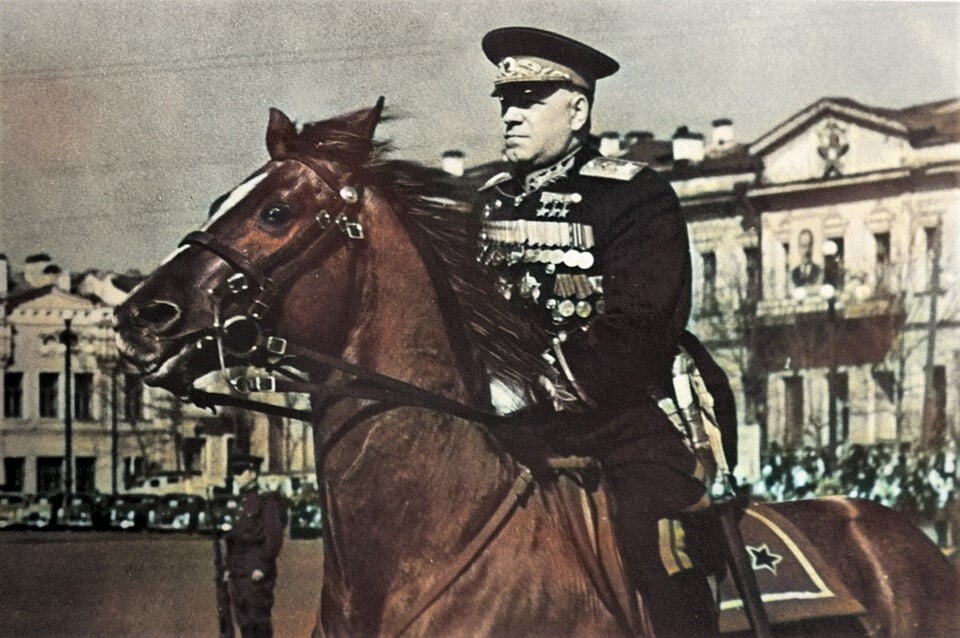

Photograph: Russian Ministry of Defence (Mil.ru), licensed under CC BY 4.0. Digitally colourised and enhanced.

⬅ See all events from 26 October

Spread the word on your favourite platform!

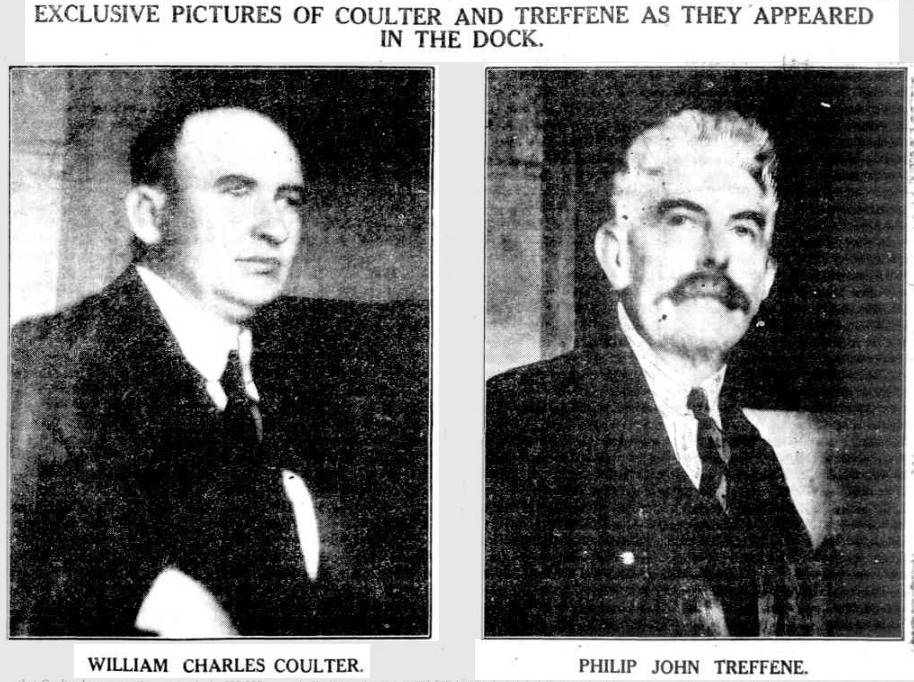
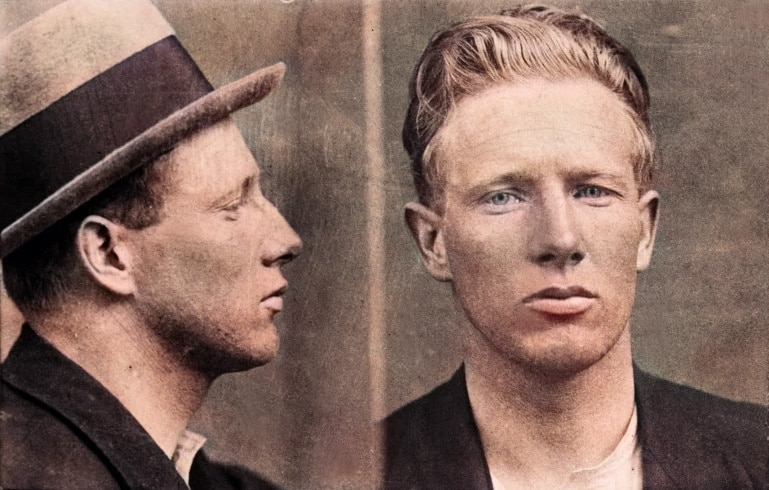
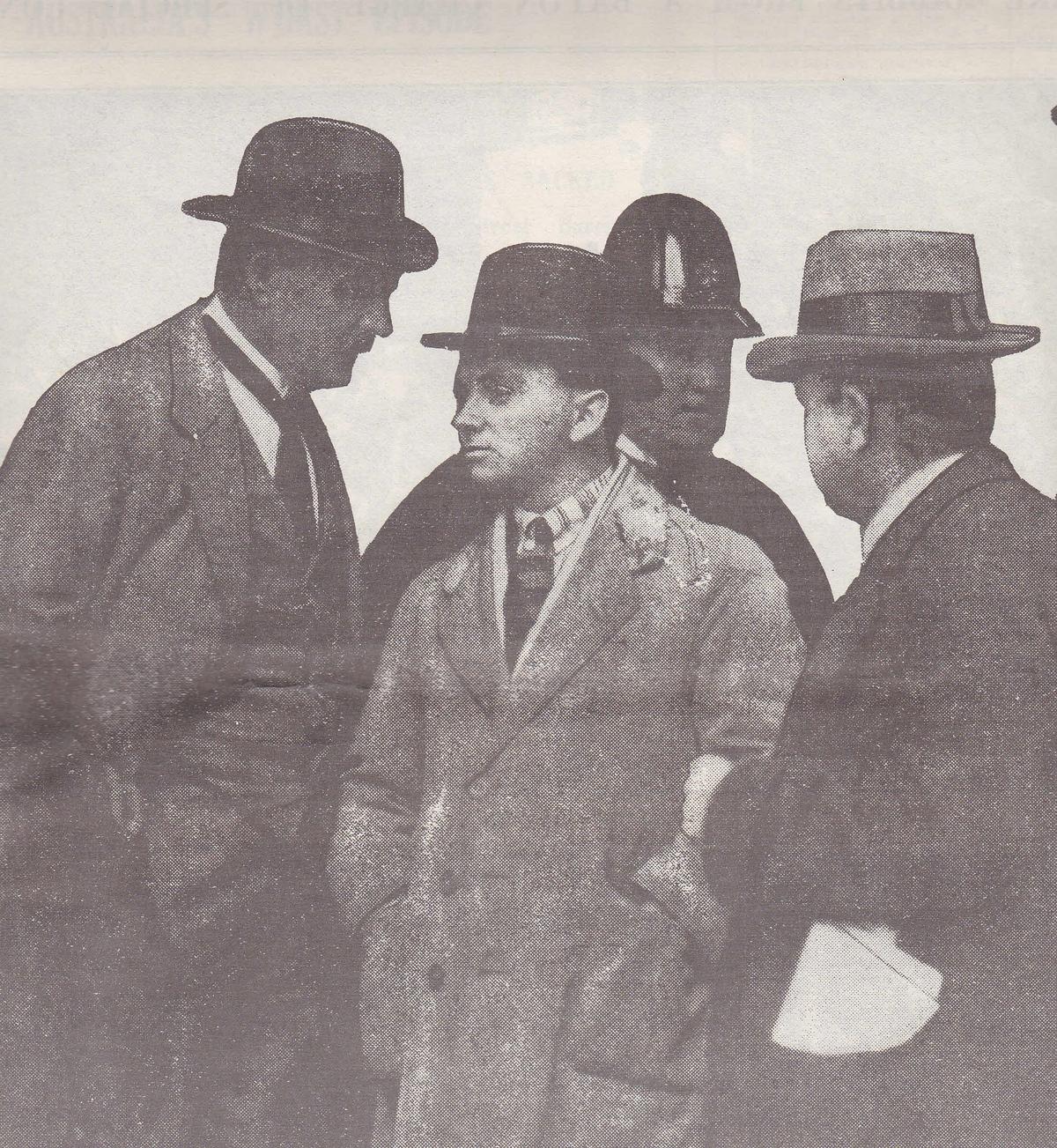
William Coulter and Phillip Treffene were illegal gold buyers on the Kalgoorlie goldfields, trading in stolen bullion. When Detective-Inspector John Walsh and Sergeant Alexander Pitman closed in near Boulder on 28 April 1926, the two men shot them dead, then cut up and burned as much of the bodies as they could before dumping the rest down a mineshaft.

At trial, the pair claimed the shootings were a freak accident, a shotgun discharging as Treffene stumbled while fleeing. The jury took four hours to reject the story, returning a verdict of guilty and adding that they bitterly regretted the accomplice who had helped dispose of the bodies was not standing trial alongside them.

In the condemned cell, Coulter let slip a stranger secret: for years he had buried stolen gold bars across the goldfields, marking a chosen tree with a notch and pacing out the distance with a length of string he always carried. He never told a soul where the bars lay, and with his death the locations, worth thousands of pounds, were lost for good.

Coulter and Treffene were hanged in Fremantle on this day in 1926, within minutes of each other.

Both protested their innocence from the gallows. Coulter said, “I am innocent of the crime that I have been charged with,” while Treffene called it, “purely and simply an accident.”

Coulter and Treffene in the dock courtroom pictures 1926

⬅ See all events from 25 October

Spread the word on your favourite platform!

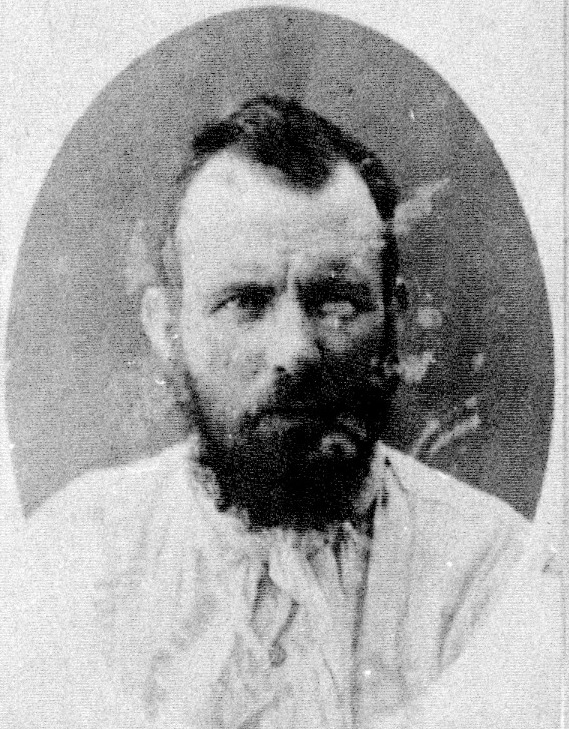
Walter Edward Gordon was a woolshed hand on Darr River Downs station near Muttaburra when fever took hold of him in 1885. He begged station manager Walter Dunning to send him to hospital, but Dunning refused, warning that if he took one sick man in he would have fifty more lining up behind him. The night before the killing, Gordon was overheard muttering that he would shoot him.

On 2 May he walked into the station office, placed a revolver to Dunning’s back as he sat writing, and fired. Dunning died within minutes, saying only “Good-bye George” to his brother before blood filled his throat. At trial Gordon’s counsel argued the fever had left him delirious and not responsible for his actions, but a doctor testified he had acted with full awareness, and the jury convicted him, though they recommended mercy given his poor health. He was hanged in Brisbane on this day in 1885.

On the scaffold Gordon struggled against the hood, insisting he wanted to speak. “I am innocent of the murder of that gentleman. I conscientiously,” he began, before his voice failed him entirely.

Portrait of Walter Gordon: Queensland State Archives, Item ID ITM2947

⬅ See all events from 25 October

Spread the word on your favourite platform!

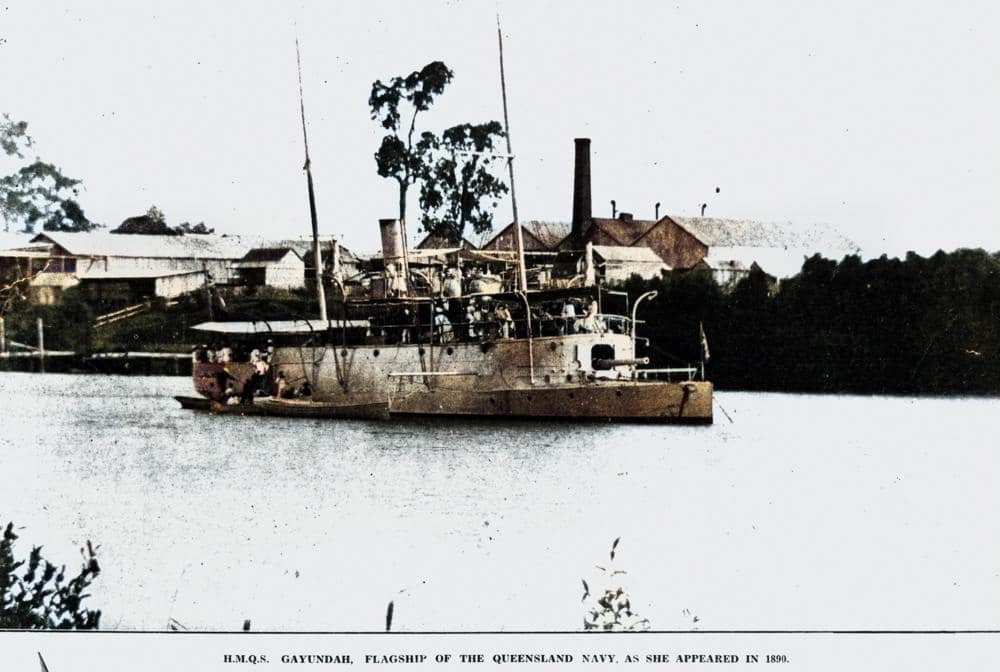
Captain Henry Townley Wright refused to hand command of the gunboat Gayundah to his second officer, Lieutenant Francis Taylor, and had him arrested instead, declaring the vessel under Royal Navy authority rather than the Queensland government. He threatened to train the ship’s guns on the Parliament building overlooking the Brisbane River while loading coal and three months of supplies, apparently preparing to sail for Sydney rather than be dismissed over a long running dispute about unauthorised spending of public funds.

On this day in 1888, the Colonial Secretary sent the Police Commissioner and twenty armed constables to retake the ship, drawing a crowd of two thousand onlookers to the riverbank. After a tense standoff, Wright accepted defeat. He wrote a formal letter of protest, read it aloud on deck, released Taylor from arrest, then calmly borrowed a light for a cigarette from a bystander before stepping ashore under police escort.

HMQS Gayundah Queensland Navy flagship in 1890

⬅ See all events from 25 October

Spread the word on your favourite platform!
On This Day in True Crime History

Subscribe to Dark Stories

True crime stories, dark history and tour news, straight to your inbox.