Archives: Dark Stories: On This Day In True Crime History
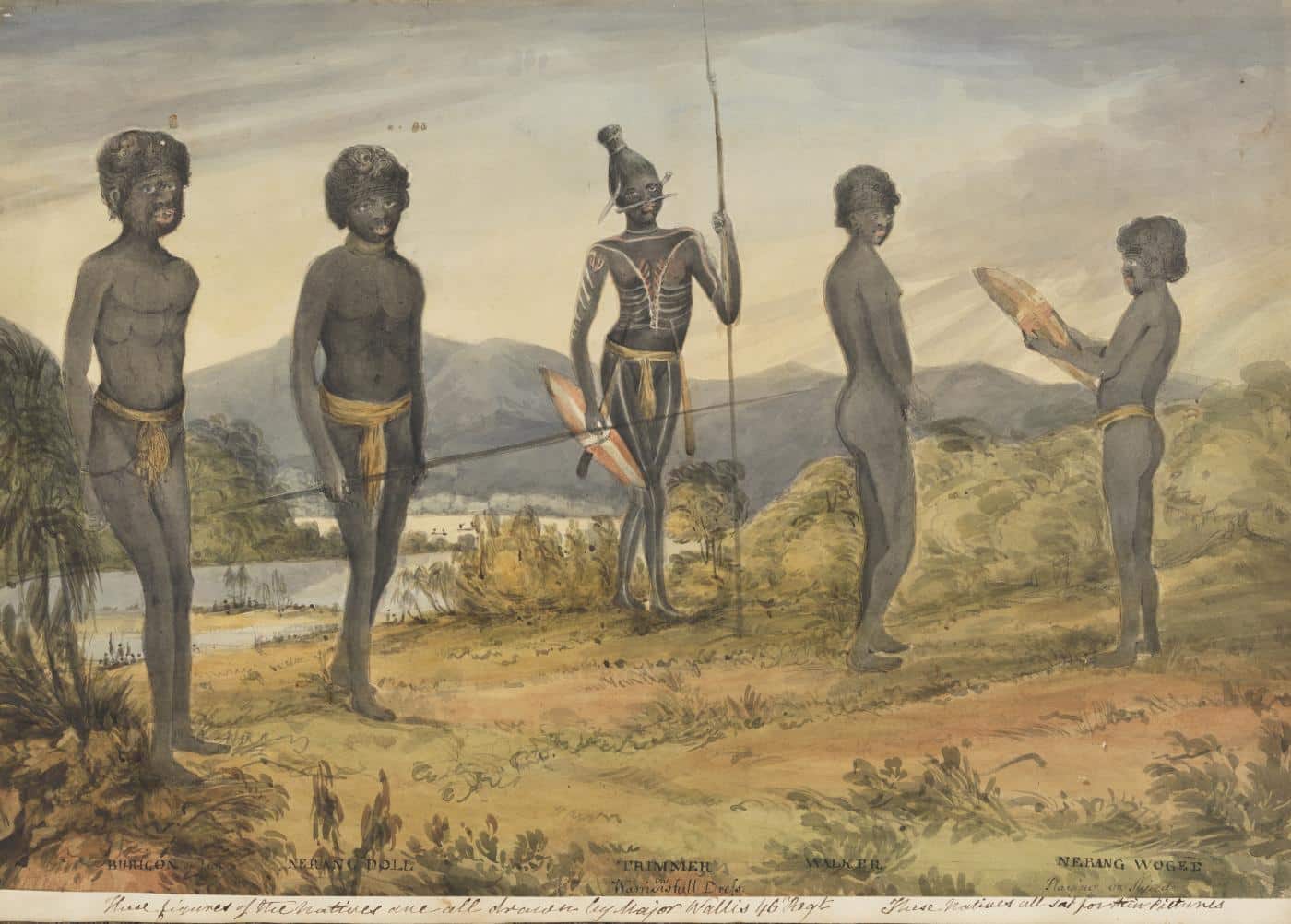
Burigon, a widely respected leader among the Aboriginal people near Newcastle, had helped track down an escaped convict named John Kirby and was escorting him back to the settlement when Kirby turned on him with a knife, driving the blade into his abdomen.
The wound proved fatal. Burigon lingered for eleven days before dying on 27 October 1820, a loss felt deeply in a district where relations between Aboriginal people and the colony had been better than elsewhere in NSW districts.
Aboriginal people of New South Wales(Burigon on left), c. 1817–1818. Artwork by Captain James Wallis and Joseph Lycett. Public domain. Source: State Library of New South Wales.
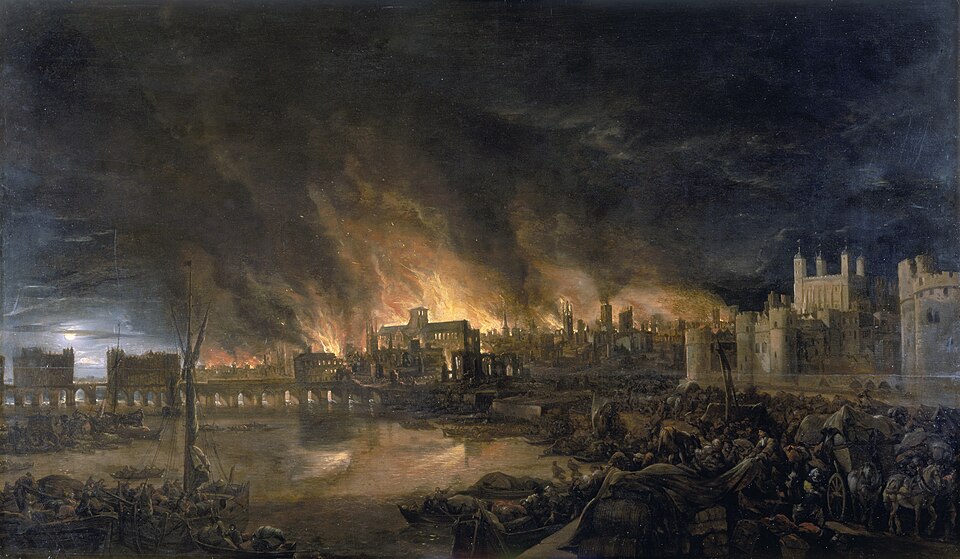
Robert Hubert, a French watchmaker, confessed to starting the Great Fire of London, claiming he had thrown a fireball through a bakery window to set the blaze alight. Records showed he had not even set foot in England until two days after the fire began, and neither the judges nor the jury who tried him believed he was guilty.
He was hanged at Tyburn on this day in 1666 anyway. Afterwards, a crowd of Londoners tore his body apart before it could be handed over to the Company of Barber-Surgeons for dissection.
Hubert never withdrew his confession, insisting to the end that he had set the fire, even as the evidence against his own story mounted.
Abraham Munday, a shepherd working the east coast of Tasmania near Swansea, laced a rival shepherd’s flour with arsenic, hoping to kill George White. White survived only because the dose was so large it made him vomit it back up. An old man named Hamilton, who happened to share a piece of the poisoned bread while visiting the hut, was not so fortunate: the arsenic settled in his joints and left him crippled for life.
Munday was convicted and sentenced to death. He was hanged within the gaol at Oatlands on this day in 1857, and went to the scaffold badly shaken, not only by his fate but because the clergyman who had attended him in his final days, the Reverend Mr Ison, refused to walk up to the drop with him.
Ivan Milat, convicted of murdering seven backpackers whose remains were scattered through the Belanglo State Forest south of Sydney, spent 25 years in custody without ever publicly admitting guilt. He told interviewers his family had nothing to do with the killings, and police who visited him eight times in his final months, even playing him recorded messages from victims families, could not shake his denial.
His years inside were marked by strange, desperate acts of self-harm. In 2009 he sliced off his own little finger with a plastic knife, intending to post it to the High Court of Australia to force an appeal, and in 2011 he starved himself for nine days and lost 25 kilograms in a failed bid to be given a PlayStation.
Milat died of oesophageal cancer in the hospital wing of a Sydney prison on this day in 2019, still publicly protesting his innocence. He reportedly told his mother, the one person he trusted, that he had carried out the backpacker murders.