On 12 October 2002, a suicide bomber walked into Paddy’s Pub in Bali’s Kuta district and detonated an explosive vest on the crowded dance floor. Twenty seconds later, as survivors fled into the street to see what had happened, a second bomb hidden in a van outside the Sari Club tore through the crowd gathered there, killing many who had just escaped the first blast. The attack claimed 202 lives, including 88 Australians, the deadliest act of terrorism in Indonesia’s history. Three men were convicted of orchestrating the bombings and sentenced to death. They were executed by firing squad on Nusakambangan island in November 2008. In their final moments, the three men showed no remorse, shouting loudly, rather than any word of apology.
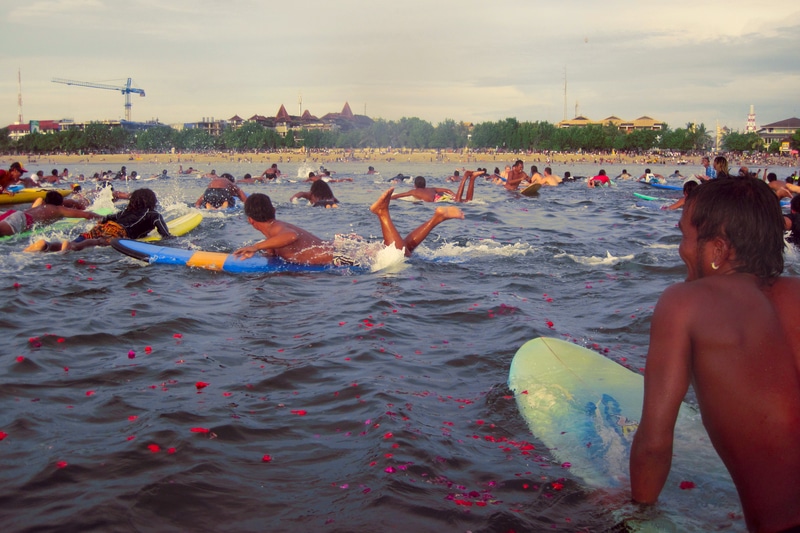

Kuta carnival 2010. Paddle for peace. Bali. Annual Kuta beach carnival celebration. Initially organized as a response to the Bali terrorist attack of October 2002, the event has now become a regular fixture on Bali's busy calendar of yearly events. October 2010. Among majority of events - every year all surfers padles to the mid of the ocean to make the circle, unite the hands, put flowers into the water and pray for victims of terrorist attack. The name of this part is Paddle for piece | ID 16538257 © Evgeniya Bolyukh | Dreamstime.com
ID 16538257 © Evgeniya Bolyukh | Dreamstime.com

⬅ See all events from 12 October

Spread the word on your favourite platform!

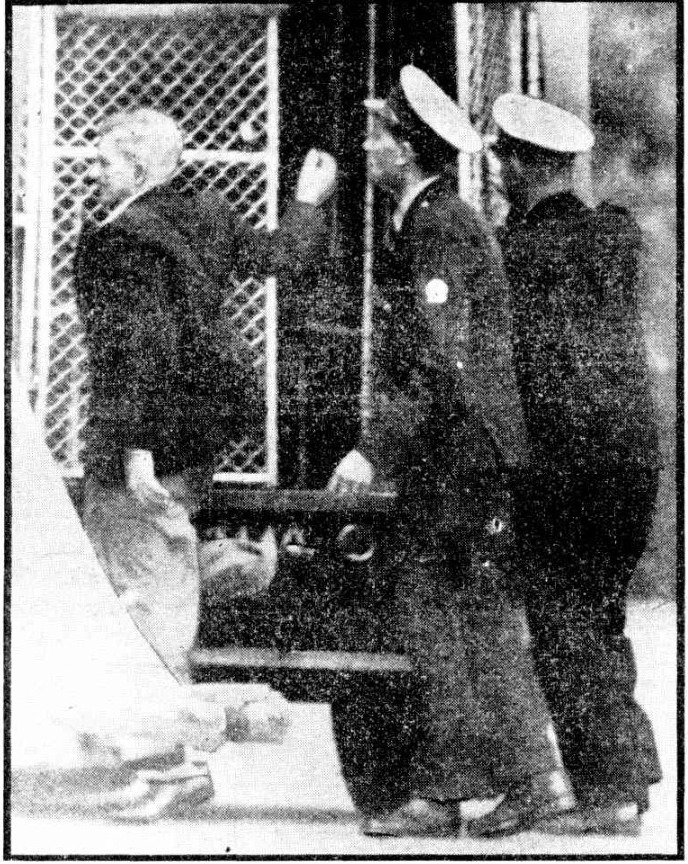
On 12 October 1950, at Collie, near Perth, milk carter Raymond Armanasco murdered several members of his family. His own defence counsel told the jury it was possibly the most gruesome case ever unfolded in a Western Australian court, and argued Armanasco had been temporarily insane.

Through two days of evidence at his trial, Armanasco spoke only two words: “not guilty.” The jury took just forty minutes to convict him of murder, but attached to its verdict the “strongest recommendation for mercy.” He was sentenced to hang, yet in April 1951 the Executive Council accepted that plea and commuted his death sentence to life imprisonment with hard labour.

Raymond Armanasco arrives at court Perth 1950

⬅ See all events from 12 October

Spread the word on your favourite platform!

William Organ was a shepherd in the service of the wealthy Sydney grazier John Palmer, trusted to drive his master’s flock in from Hawkesbury. Along the way he peeled off nine sheep, daubed tar on their heads to disguise them, and tried to sell them to a local man named Chears for 20 shillings, claiming they were his own.

The scheme unravelled when a fellow shepherd spotted the tar-marked sheep rejoining the flock and recalled Organ’s story that they belonged to Chears but had simply strayed. Tried before the Court of Criminal Jurisdiction, Organ was convicted; the judge also condemned Chears for knowingly dealing with a man of doubtful character rather than reporting him. Organ was hanged in Sydney on 11 October 1806.

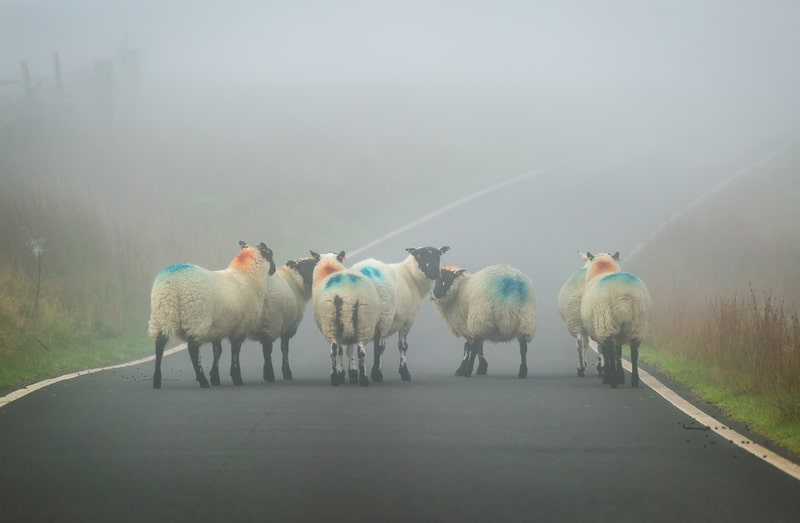
Sheep on a foggy mountain road in the Brecon Beacons

⬅ See all events from 11 October

Spread the word on your favourite platform!

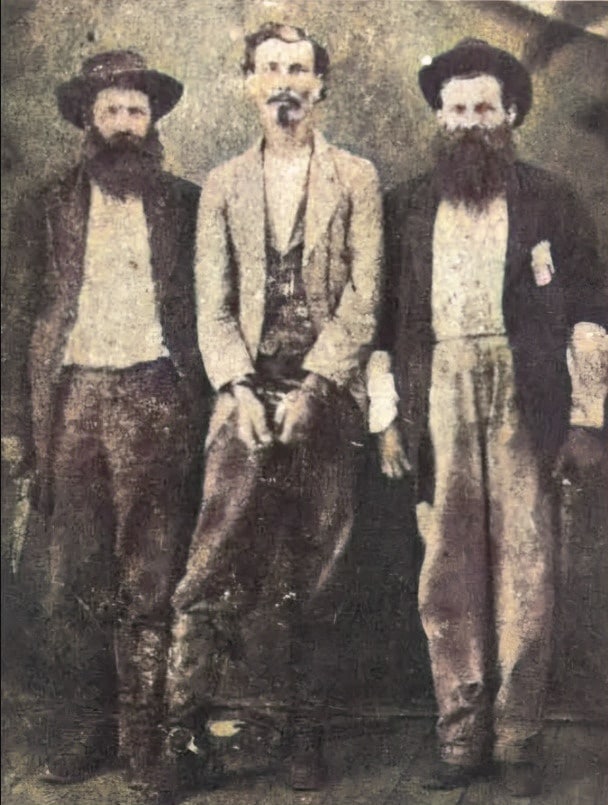
Texas outlaw William Preston Longley, known as Wild Bill, claimed he had once survived a lynching when a gunshot damaged the rope around his neck. The story remains unverified, but his actual execution would have a mishap of its own.    On this date, Longley was hanged at Giddings for murdering Wilson Anderson. The rope was too long, allowing his feet to reach the ground beneath the scaffold. Officials had to haul him upwards to complete the execution, adding another strange chapter to a life already tangled in violence and legend.

Wild Bill arrested.
Wild Bill arrested.

⬅ See all events from 11 October

Spread the word on your favourite platform!
On This Day in True Crime History

Subscribe to Dark Stories

True crime stories, dark history and tour news, straight to your inbox.