Archives: Dark Stories: On This Day In True Crime History - Page 54
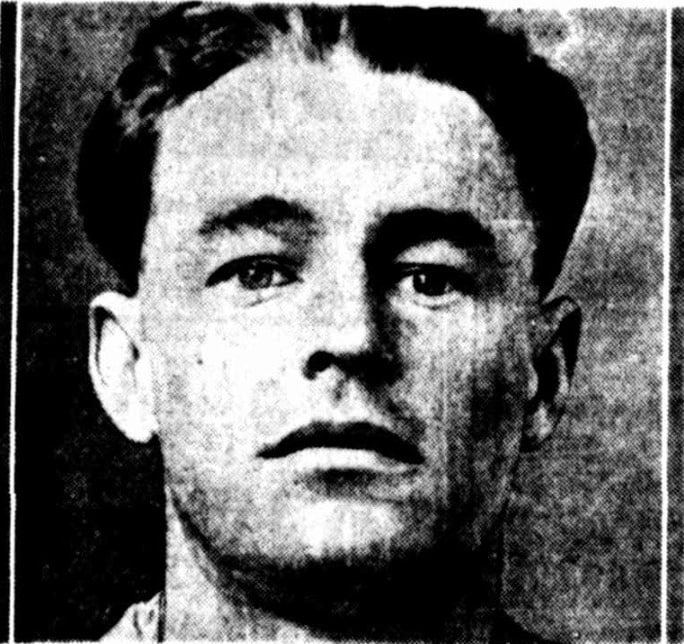
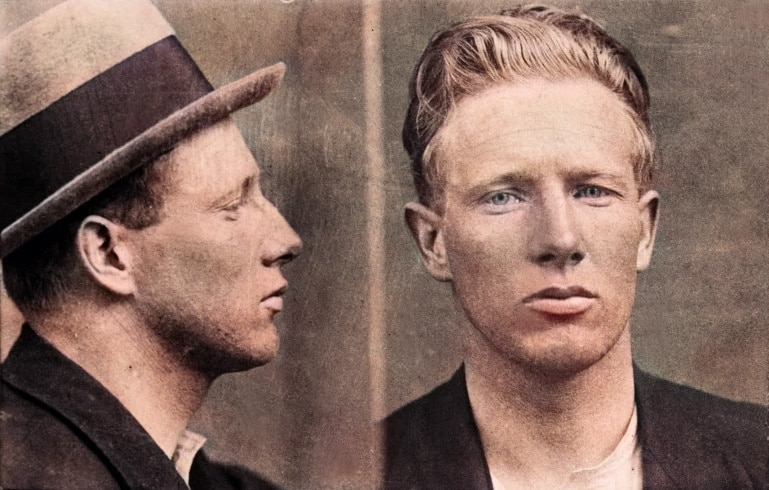
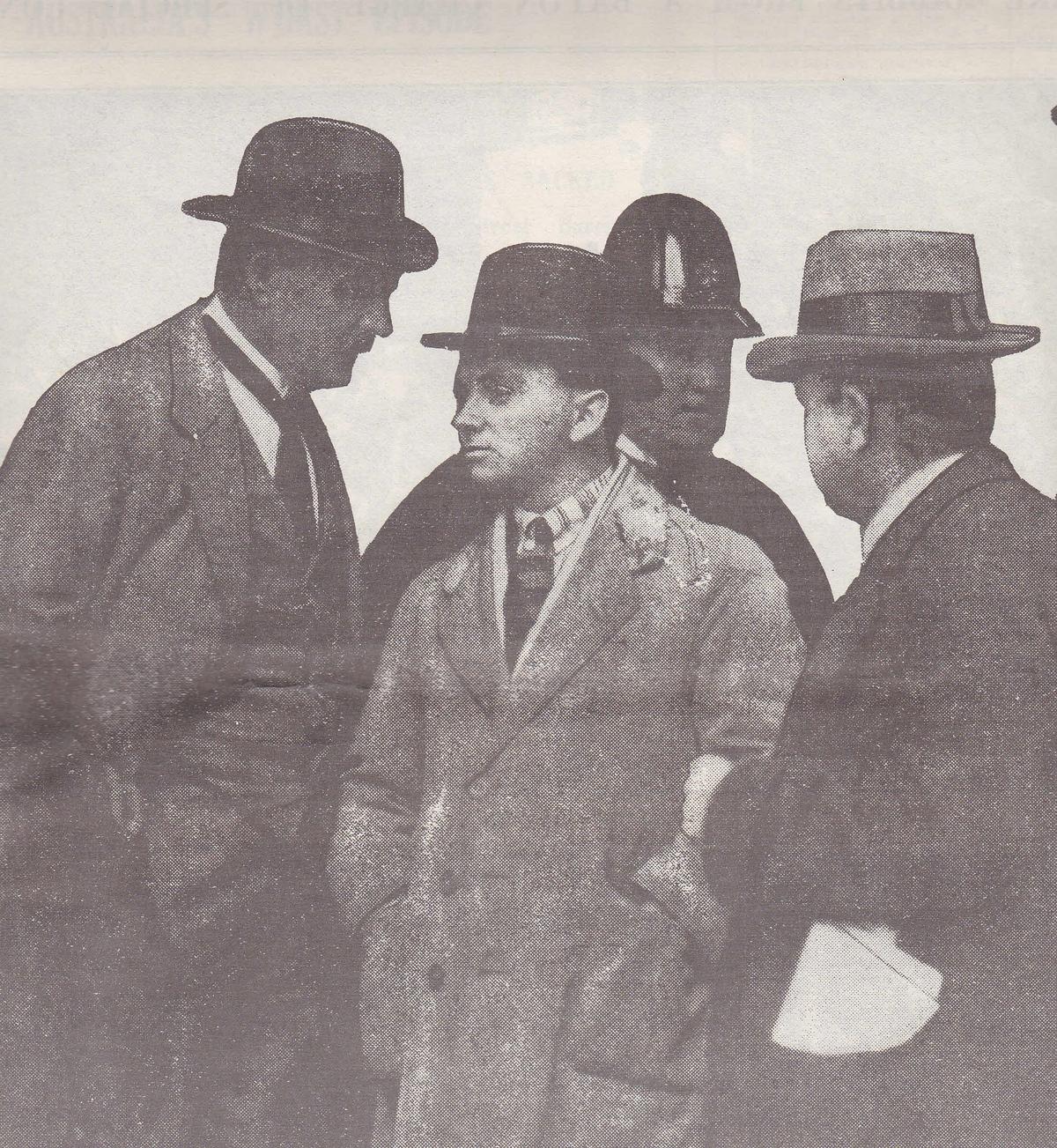
John Trevor “Jack” Kelly was found guilty of kidnapping on 23rd September 1937, and was sentenced to eighteen months’ imprisonment, with a recommendation that he undergo observation following concerns about lasting effects from a motor accident.
Released in November 1938, Kelly committed murder less than three months later. He stood trial before the same judge who had sentenced him for kidnapping, but this time he was sentenced to death, becoming the last prisoner executed in New South Wales.
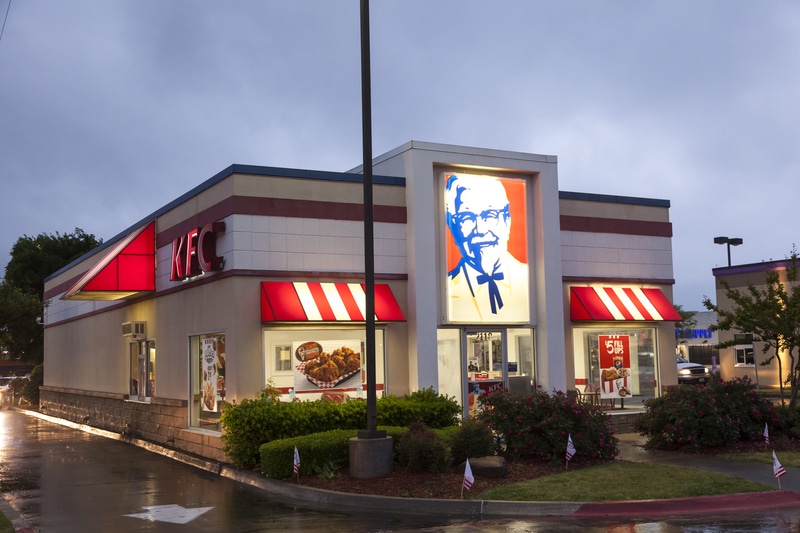
On the night of September 23, 1983, armed robbers held up a Kentucky Fried Chicken restaurant in Kilgore, Texas, just before closing. Five people inside, three employees and two friends waiting for one of them, were abducted and driven to a field on County Road 232, where each was shot in the back of the head and torso. The victims were identified as David Maxwell, 20, Joey Johnson, 20, Monty Landers, 19, Mary Tyler, 37, and Opie Hughes, 39.
The case went unsolved for over two decades. A torn fingernail found on one body once led investigators to arrest James Earl Mankins Jr., the son of a state representative, but DNA testing proved the fingernail was not his and he was released before trial.
In November 2005, cousins Darnell Hartsfield and Romeo Pinkerton, both already imprisoned on other charges, were arrested and charged with capital murder. DNA evidence pointed to a third, then-unidentified man involved in the killings and the rape of Hughes. Pinkerton denied any involvement, yet that October he pleaded guilty to five lesser counts of murder and received five concurrent life sentences.
The mystery of the third perpetrator was not resolved until decades later: in 2023 the Texas Rangers reopened the case, and DNA testing in 2025 finally identified him as Devan Riggs, a man who had died in 2010 without ever facing charges.
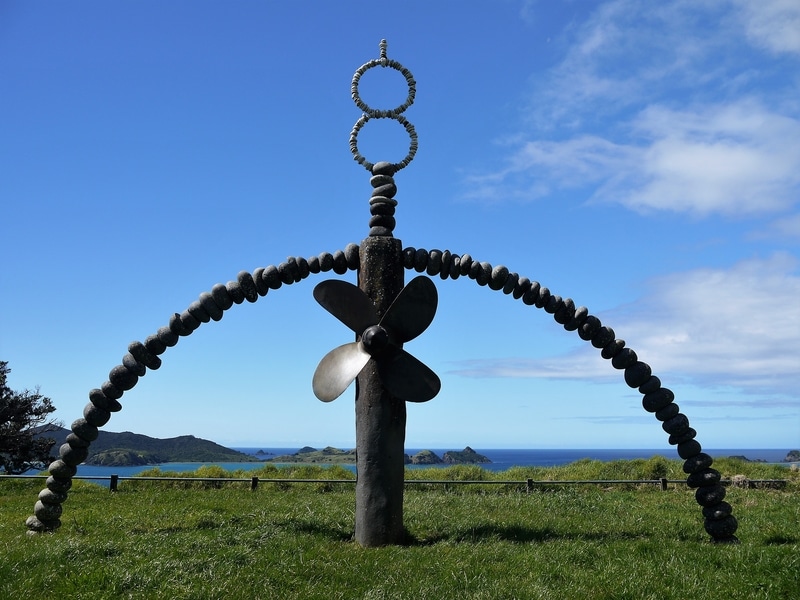
On 10 July 1985, agents of the French secret service DGSE attached two bombs to the hull of the Greenpeace flagship Rainbow Warrior as it lay moored in Auckland Harbour, sinking the vessel and killing Portuguese photographer Fernando Pereira, who drowned trying to retrieve his camera equipment. The ship had been preparing to lead a protest flotilla against French nuclear testing in the Pacific.
Two French agents, Alain Mafart and Dominique Prieur, were arrested in New Zealand travelling under false Swiss identities and later pleaded guilty to manslaughter, drawing widespread attention to the operation’s codename, Operation Satanique.
For weeks the French government denied any involvement, until on 22 September 1985 Prime Minister Laurent Fabius publicly admitted that French secret service agents had sunk the ship acting on orders, an extraordinary confession of state-directed sabotage carried out against an allied nation.
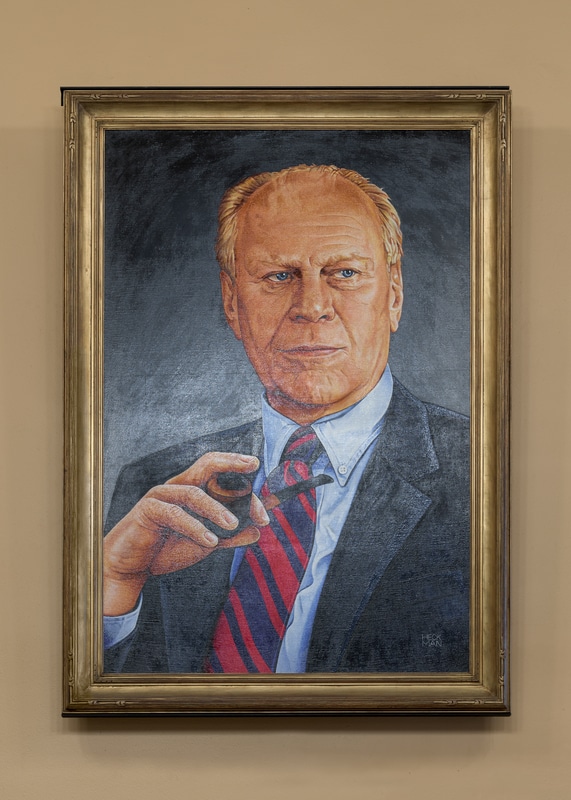
Just seventeen days after Lynette Fromme aimed a pistol at Gerald Ford in Sacramento, a second attempt on the president’s life unfolded outside a hotel in San Francisco on September 22, 1975. Sarah Jane Moore, a 45-year-old activist and FBI informant, fired a single shot from a .38 revolver at Ford as he left the St. Francis Hotel, missing him by only a few feet.
The shot went wide largely because of a bystander, former Marine Oliver Sipple, who was standing nearby and grabbed Moore’s arm as she fired, deflecting her aim. Moore was wrestled to the ground and arrested at the scene.
She pleaded guilty to attempted assassination of a president and was sentenced to life in prison. Moore later expressed regret over the attempt, and she was eventually paroled in 2007 after more than three decades behind bars.