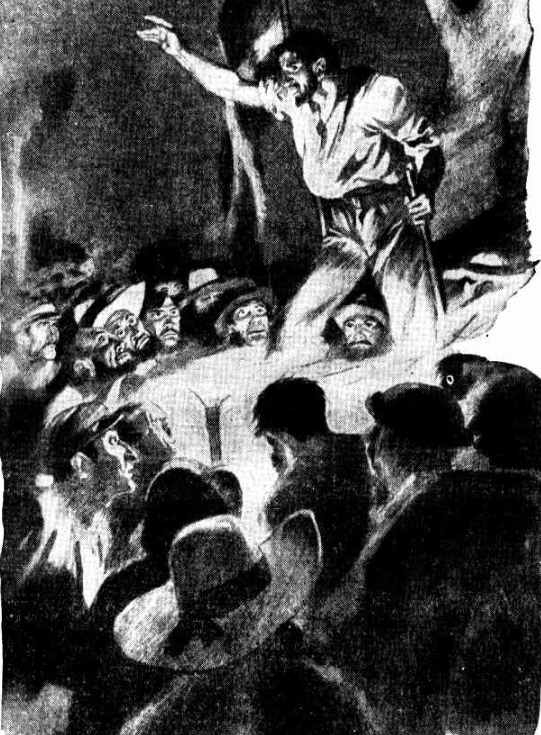
Martin Cash, Irish-born convict and bushranger, died on 26 August 1877 at his farm cottage in Glenorchy, Tasmania, aged 68. Twice he escaped from the supposedly escape-proof Port Arthur penal colony, the second time by swimming the shark-infested waters. On Boxing Day 1842, Cash and two companions absconded from a work party and launched an eight-month bushranging spree across Van Diemen’s Land, robbing mail coaches and homesteads before his eventual recapture. His 1870 autobiography, The Adventures of Martin Cash, ghostwritten by a fellow former convict, became a bestseller. He was one of the few bushrangers of his era to die of natural causes, cheating the gallows.
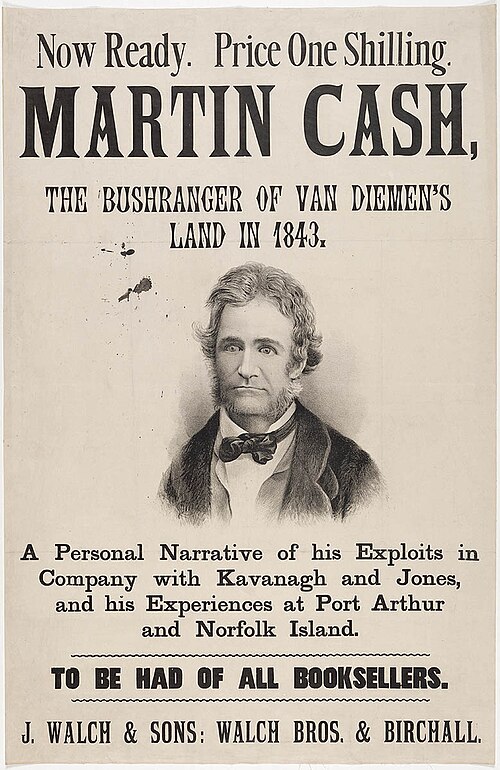

Martin Cash Author: The Bushranger of Van Diemen's Land in 1843
Martin Cash Author: The Bushranger of Van Diemen’s Land in 1843

⬅ See all events from 26 August

Spread the word on your favourite platform!

Thomas Doolan, described as an old offender who had been tried several times in the colony, was convicted of forcibly breaking into the house of John Styles at Hawkesbury. He had previously saved himself from execution by turning informant against his accomplices, some of whom were hanged on his testimony.

Doolan was hanged in Sydney on 26 August 1809. Court records from the same period reveal he had also been among those who burglariously broke into the dwelling of a settler named Thomas Harley, beating the occupants and ransacking the house, though he did not live to face that additional charge.

Motorway 1 bridge over Hawkesbury River near Sydney with traffic

⬅ See all events from 26 August

Spread the word on your favourite platform!

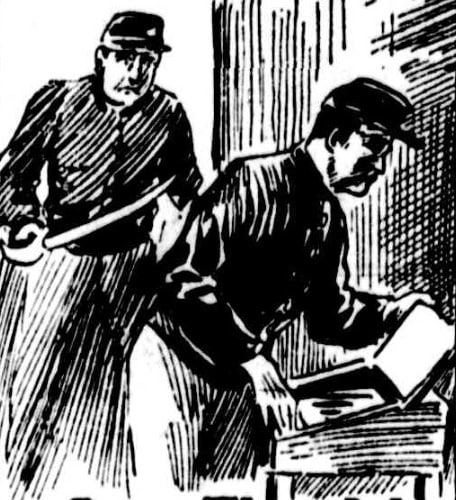
Constable Joseph Luker, a British convict transported to New South Wales on the Third Fleet in 1791, served out his sentence and joined the Night Watch, the colony’s fledgling police force. On the night of 25 August 1803, he was called to investigate a robbery at Mary Breeze’s brothel on Back Row East in Sydney, telling Breeze he believed he knew who was responsible.

His body was found before dawn behind the establishment, bearing sixteen wounds to the head. The guard of his own cutlass had been driven into his skull, and nearby lay a bloodied barrow wheel and the stolen desk. Surgeon John Harris concluded at least four weapons had been used. Though some of his fellow constables were implicated, no one was ever convicted of his murder. Luker remains the first police officer killed in the line of duty in the history of Australia.

Policing in convict NSW

⬅ See all events from 26 August

Spread the word on your favourite platform!

Gao Chengyong was arrested at his grocery store in Baiyin, Gansu, in August 2016 after a DNA test on his uncle flagged a close familial match to an unidentified serial killer. The breakthrough closed a case that had haunted investigators for nearly three decades. Gao confessed to all eleven murders, committed between 1988 and 2002 across Inner Mongolia.

Known in Chinese media as the ‘Chinese Jack the Ripper’, Gao had followed victims to their homes, typically striking in daylight hours. He mutilated their bodies in a pattern that drew comparisons to the 1888 Whitechapel killings. Sentenced to death and stripped of all assets, he was executed on 3 January 2019.

Chinese death character with skull texture 3D illustration

⬅ See all events from 26 August

Spread the word on your favourite platform!
On This Day in True Crime History

Subscribe to Dark Stories

True crime stories, dark history and tour news, straight to your inbox.