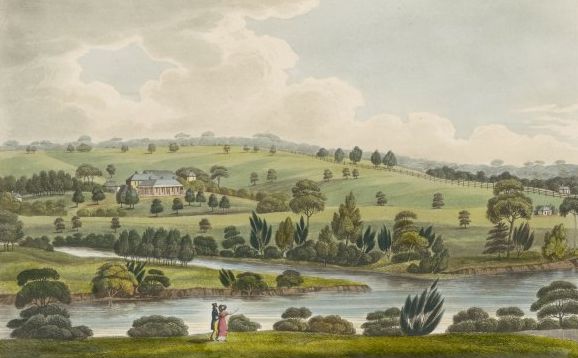
Ten convicts, under armed marine escort, set out from Sydney Cove on this day in 1788, bound for a patch of ground at Rose Hill that would later grow into Parramatta. The fledgling colony was starving, its soil poor and its supply ships overdue, and this small, closely guarded party of prisoners carried the desperate hope that convict labour could turn the land self-sufficient before famine finished what the sea voyage had not.

There was no trial, no sentence, no scaffold in this story, only a gamble: that men transported for crimes in Britain could be made into the farmers who would keep an entire penal settlement alive. The ground they broke at Rose Hill became the first successful crops grown on the continent under British rule, and the settlement they built outgrew the colony that sent them there.

This Day in True Crime History

⬅ See all events from 2 November

Spread the word on your favourite platform!

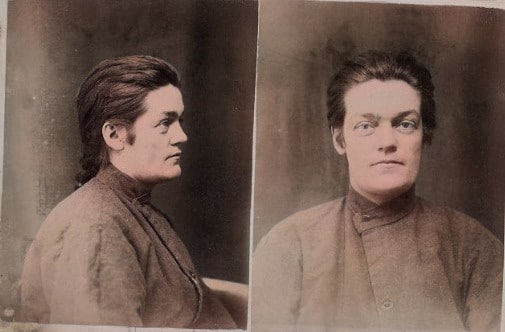
Velma Barfield cared for the elderly and the infirm, and one by one they fell ill with the same wrenching symptoms: vomiting, diarrhoea, stomach pains that would not ease. She was dosing their food and drink with arsenic-laced rat poison, chasing insurance payouts and covering forged cheques. Her mother died of it in 1974, two elderly patients in 1977, and finally her boyfriend Stuart Taylor in 1978, even as Barfield nursed him through his final days. She confessed to six murders but was tried and convicted of only one.

On death row she became a devout Christian, ministering to fellow inmates, and her lawyers argued for clemency on the strength of it. A second defence claimed she suffered a split personality named “Billy,” who insisted he alone had killed her abusers; the judge was unmoved, reportedly saying, “One of them did it, I don’t care which one.” North Carolina’s governor refused clemency, and on this day in 1984 Barfield was executed by lethal injection, the first woman put to death in the United States since 1962 and the first ever killed by that method.

She abandoned her final appeals, wanting to “die with dignity,” and left a statement before her death: “I am sorry, and I want to thank everybody who have been supporting me all these six years.”

Would you like sugar or rat poison in your tea?

⬅ See all events from 2 November

Spread the word on your favourite platform!

A British backpacker named Paul Onions was hitchhiking along the Hume Highway near Sydney in January 1990 when a driver calling himself “Bill” produced a revolver and a coil of rope. Onions fled on foot and flagged down a passing motorist, reporting the attack to police before the driver vanished.

On this day in 1993, searchers combing a forest south of Sydney found two more bodies bearing the same spinal injuries as an earlier pair of backpackers unearthed the previous year, confirming Australia had a serial killer stalking the highway. The month long search that followed ended with the discovery of a German backpacker nearby, the fifth victim linked to the same killer.

Reading UK news reports of the discoveries two years later, Onions recognised the description of his own ordeal and contacted the Australian embassy. His account and photo identification of the man who had attacked him led police to Ivan Milat, whose home was searched and who was eventually convicted of the backpacker murders.

Dark History of Belanglo Forest

⬅ See all events from 1 November

Spread the word on your favourite platform!

Thomas Collins had been transported from Cork on the convict ship Canada, arriving in New South Wales in 1815, and within a year was standing trial in Sydney for burglary. He and two accomplices had broken into a shop in O’Connell Street and made off with baskets of tobacco, burying part of it in the earth near Farm Cove before selling a basket on for a watch and cash. The case against him rested on the evidence of Edward Dempsey, a fellow gang member turned Crown witness, and Collins was convicted of burglary that September.

Days later he was back in the dock on an entirely separate charge: robbing a carter on the Parramatta Road the previous July, in a predawn ambush that saw three carts stopped and their drivers beaten to the ground. Dempsey gave evidence again, and Collins was convicted a second time.

He was hanged in Sydney on this day in 1816, alongside two other condemned men.

Collins confessed his guilt before his death; the record states that all three men executed that morning died penitent.

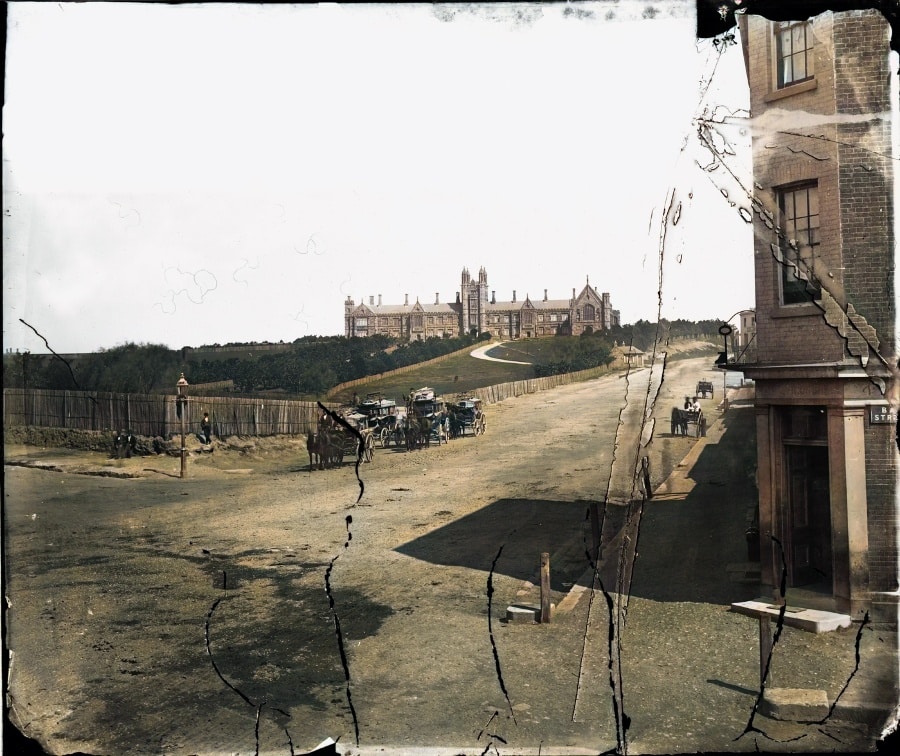
Horse-drawn omnibuses on Parramatta Road, Sydney, c. 1870–1875. Mitchell Library, State Library of NSW.

⬅ See all events from 1 November

Spread the word on your favourite platform!
On This Day in True Crime History
1816·He Blamed His Mate for the Shot, But It Was His Own Gun That Fired: Triple Hanging in Sydney
1895·"Look, Jimmy": The Chilling Instant Before a Fatal Tomahawk Attack Near Mount Morgan, Hanged in Brisbane.
1895·"A Feeling of Relief": Hanged in Melbourne for Drowning a Family Member
1993·11-04 | 1993 Two More Victims Discovered: The Backpacker Murders in the Forest South-West of Sydney
More Crime On This Day →

Subscribe to Dark Stories

True crime stories, dark history and tour news, straight to your inbox.