1852: He Only Aimed for the Knees: John Newing Hanged for Murder Anyway

In October 1851, at a shearers’ hut on a station on the Castlereagh, a Chinese labourer named John Newing burst in armed with a shear blade lashed to a pole and stabbed a fellow countryman, Hing, in the groin. Bystanders wrenched the weapon from him, but he returned with two knives before he could be disarmed again, and Hing bled out within minutes.

At his trial at Bathurst in August 1852, defence counsel argued there had been no intent to kill, telling the court that Newing himself had said he aimed only for the knees. The jury was unmoved and returned a verdict of guilty, and Newing was sentenced to death without hope of mercy. He went to the gallows the following month alongside an unrelated condemned man, Timothy Sullivan, in an execution remembered chiefly for how badly it was botched.

Unable to speak or understand English, and with no interpreter willing to attend him at the end, Newing left no final statement and died in silence.
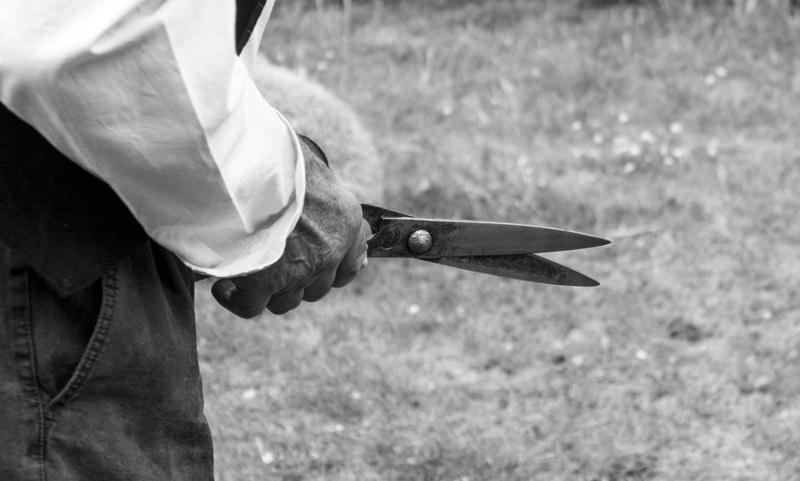

Sheep shearer scissors.

⬅ See all events from 30 September

Spread the word on your favourite platform!
True Crime Scene Tape

1852: Timothy Sullivan Cried “Robbers, Robbers” While Beating an Old Shepherd to Death

Timothy Sullivan lived with an elderly shepherd named Daniel Harrington at King’s Plains, near Carcoar in the Bathurst district. On the night of 4 June 1852, neighbours were woken by Sullivan himself shouting “robbers, robbers” from his hut. When a neighbour, Daniel Healy, ran to help, he found no robber, only Sullivan raining blows on the old man with a heavy weapon he then hurled onto the roof. Harrington, barely alive, managed to whisper his own name before he died.

At the Bathurst Assizes the judge dismissed the robbery story as invention, noting that nothing had actually been stolen and that the wounds showed deliberate, prolonged violence. Convicted of wilful murder, Sullivan was hanged on 30 September 1852; the drop was so severe it very nearly tore his head from his body.

On the scaffold a priest read a statement on Sullivan’s behalf: he claimed he had rushed out in the dark with a flesh fork believing a robber was near, striking blindly, and insisted “he did not know it was Harrington he was wounding.”

Sandstone building in Carcoar

⬅ See all events from 30 September

Spread the word on your favourite platform!
True Crime Scene Tape

1630: A Mayflower Pilgrim Becomes the First Man Hanged in the New World Colonies

John Billington had been a troublemaker since the Mayflower crossing, defying Myles Standish and drawing accusations in a colony revolt, always insisting he was innocent. In 1630 a long feud over land boundaries turned fatal when he ambushed and shot fellow colonist John Newcomen, reportedly after catching him robbing his traps.

A grand and petty jury found Billington guilty of willful murder. Governor William Bradford, wary of setting a precedent, consulted the leaders of the neighbouring Massachusetts Bay Colony, who agreed the killing had to be answered to purge the land from blood. Billington was hanged on 30 September 1630, becoming the first person executed in Plymouth Colony. His burial place was never recorded.

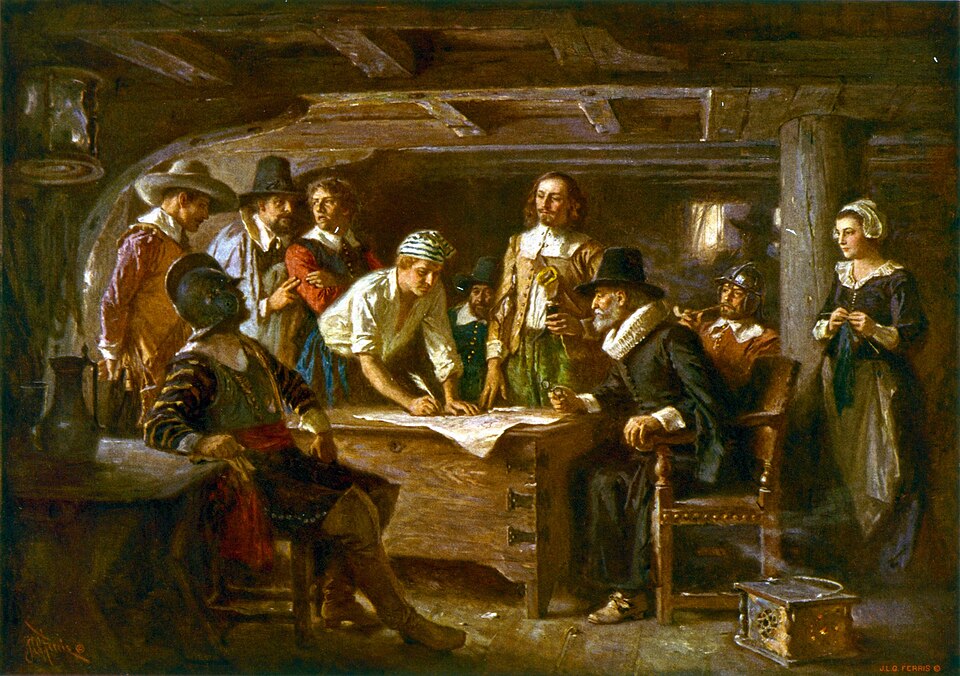
Mayflower Compact 1620 handwritten agreement document

⬅ See all events from 30 September

Spread the word on your favourite platform!
True Crime Scene Tape

1861: He Wept After Being Punched, Then Fetched a Hammer: a Melbourne Racing-Yard Killing

Martin Rice was a former steeplechase jockey with a reputation for violence when he picked a fight with Anthony Green, a well-known horse trainer, over the shoeing of a horse at Kirk’s Bazaar off Bourke Street in Melbourne. Green struck him once, told him to leave, and Rice wept and walked away, muttering that he would have his revenge.

Half an hour later, as Green stooped to check a horse’s foot with his back turned, Rice crept up behind him and drove a blacksmith’s hammer into his skull. Green lingered barely a day before dying, telling a friend he had heard his own bones crack. A coroner’s jury found the gap between the insult and the blow proved deliberate malice, not sudden provocation, and Rice was convicted of wilful murder at the Supreme Court and hanged at Melbourne Gaol.

On the scaffold Rice asked to speak, insisting he had borne no malice toward Green and had never meant to kill him.

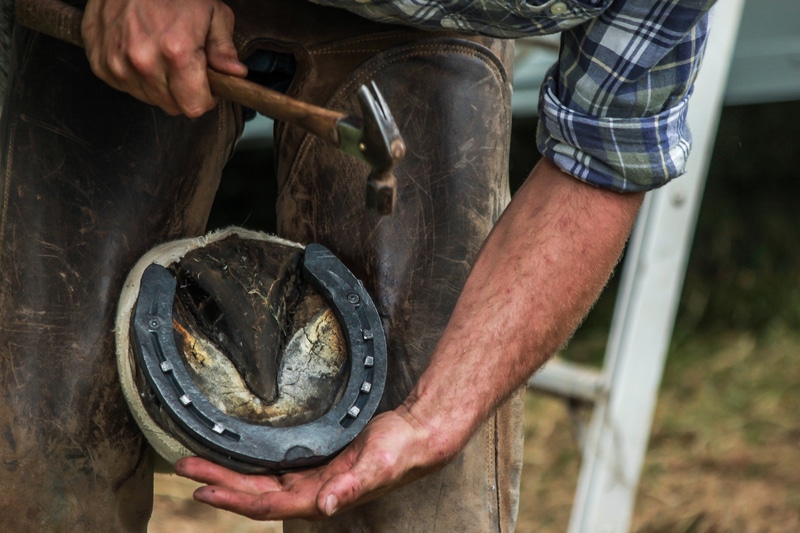
From shoeing a horse to murder

⬅ See all events from 30 September

Spread the word on your favourite platform!
True Crime Scene Tape
On This Day in True Crime History
1853·A Hanged Bushranger's Corpse Put on Display in a Melbourne Shop Window
1960·Breathing for Seven Hours: The Forensic Test That Disproved a Kidnappers Alibi in the Graeme Thorne Murder
More Crime On This Day →

Subscribe to Dark Stories

True crime stories, dark history and tour news, straight to your inbox.