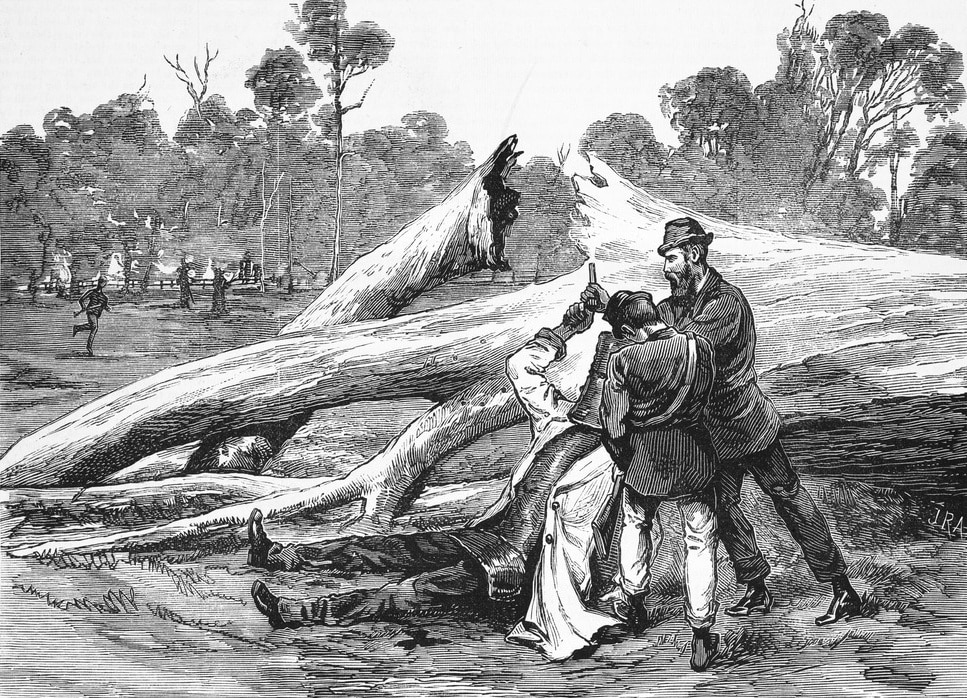
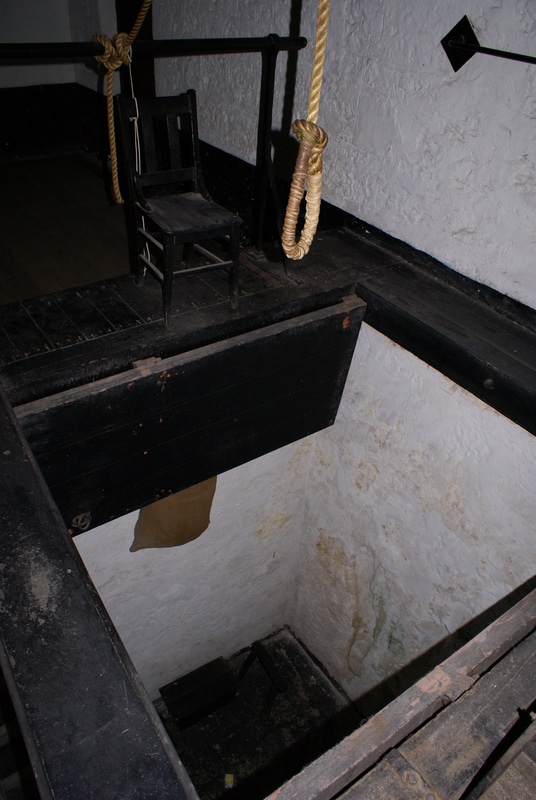
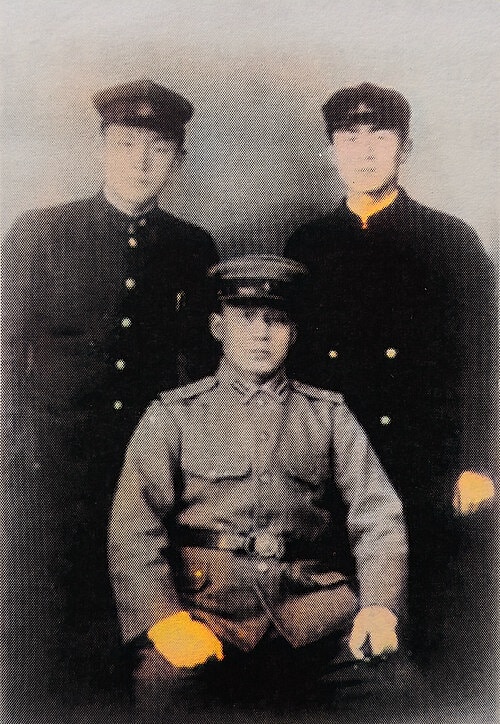
Elijah Upjohn had hanged Ned Kelly at Melbourne Gaol in 1880, earning five pounds for the job. Two years later he was back in front of a City Court bench, this time as the accused: drunk in Carlton, he exposed himself in front of witnesses, to whom he tossed peppermints moments before.

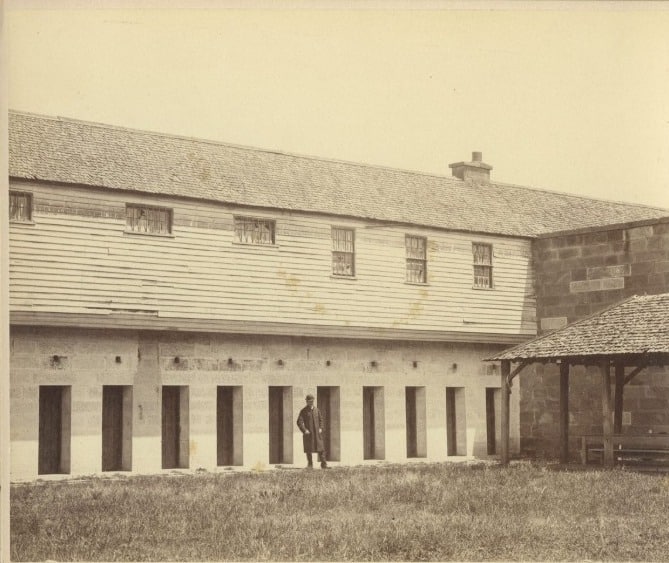
Fined 10 pounds or three months, Upjohn refused to pay and was sent to Melbourne Gaol, the very institution he had served as executioner. While locked up he kept working, flogging inmates at Pentridge under sentence, and walked free at year’s end with wages still owed to him.
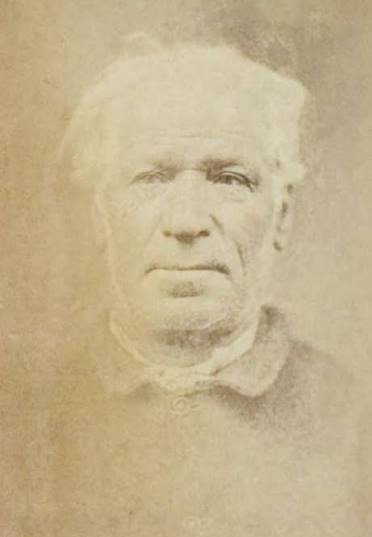

Elijah Upjohn: Executioner of Bushranger Ned Kelly

⬅ See all events from 29 September

Spread the word on your favourite platform!

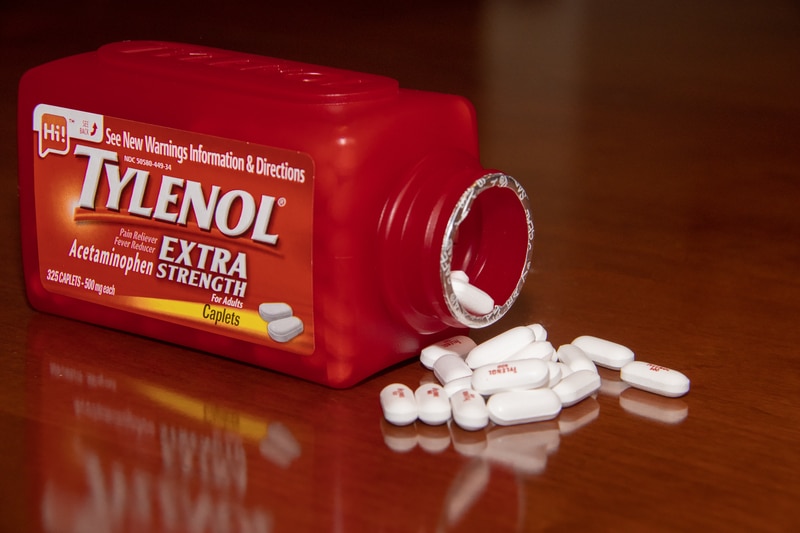
On September 29, 1982, 12 year old Mary Kellerman took a Tylenol capsule for a cold and died within hours. Within two days six more people in the Chicago area died the same way, including three members of a single family, the Januses, who had unknowingly shared capsules from the same tainted batch.

Someone had opened bottles on store shelves, replaced the medicine inside with potassium cyanide, and resealed them for unsuspecting buyers to find. No poisoner was ever caught. A man named James W. Lewis was convicted of extortion after writing to the manufacturer claiming responsibility and demanding a million dollars to stop the deaths, but he later insisted the letter was a bluff, and investigators could never tie him to the actual killings.

The case remains unsolved to this day, but it changed how medicine is sold worldwide, ending loose powder capsules and ushering in the tamper proof seals now standard on every bottle.

Capsules of Tylenol Pain Killer. A container of Tylenol tablets pain killer. | ID 207734574 © Arne Beruldsen | Dreamstime.com
ID 207734574 © Arne Beruldsen | Dreamstime.com

⬅ See all events from 29 September

Spread the word on your favourite platform!

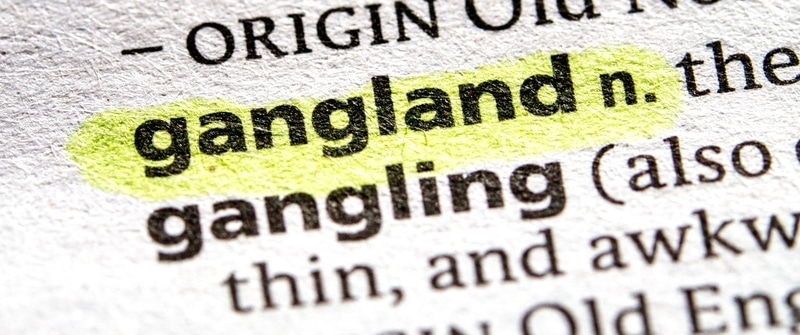
Carl Williams had already been convicted of multiple murders during Melbourne’s gangland war when he was bashed to death with the stem of an exercise bike in a high-security unit at Victoria’s Barwon Prison in 2010, an inmate supposedly protected by round-the-clock surveillance.

Matthew Charles Johnson, a fellow prisoner sharing the unit, was charged with the killing. On this day in 2011 a jury found him guilty of murdering the man once considered one of the country’s most feared underworld figures, in an attack that exposed how little safety the prison’s most secure wing actually offered its most notorious inmate.

Gangland: more than a dictionary definition in Melbourne, 1998–2010.

⬅ See all events from 29 September

Spread the word on your favourite platform!

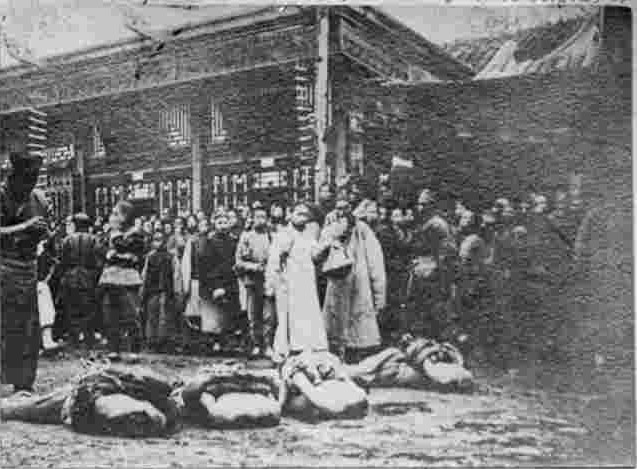
When Empress Dowager Cixi crushed the Hundred Days’ Reform with a palace coup in September 1898, she moved fast. Six officials and intellectuals who had championed the Guangxu Emperor’s modernisation drive, among them Tan Sitong and Kang Youwei’s younger brother Kang Guangren, were arrested, denied any trial, and beheaded the same day at the Caishikou execution ground in Beijing. For decades they were remembered simply as reform martyrs cut down by a reactionary court.

That story only cracked in the 1980s, when testimony surfaced in Japanese archives from a man who had been ordered to assassinate Cixi and fled before he could act. His account implicated four of the six in a genuine plot to kill the Empress Dowager, suggesting at least one of the condemned, Yang Rui, may have been entirely innocent, executed alongside men who really had been plotting murder.

Historic photo of beheaded bodies after execution: Laneway of Caishikou crossroad, Beijing, China.

⬅ See all events from 28 September

Spread the word on your favourite platform!
On This Day in True Crime History

Subscribe to Dark Stories

True crime stories, dark history and tour news, straight to your inbox.