The last known thylacine, a carnivorous marsupial, died in captivity at Hobart Zoo in Tasmania. The animal is believed to have perished from neglect, left exposed to extreme temperatures after keepers failed to provide adequate shelter.

Thylacines once ranged across mainland Australia and New Guinea before vanishing there thousands of years earlier, surviving only in Tasmania. Relentless hunting, driven by bounties paid to farmers who blamed the species for livestock losses, combined with the introduction of invasive predators, drove the population to collapse. Benjamin’s death marked the extinction of the species, a loss that went largely unnoticed at the time and was only recognised in hindsight as the end of a unique Australian predator.
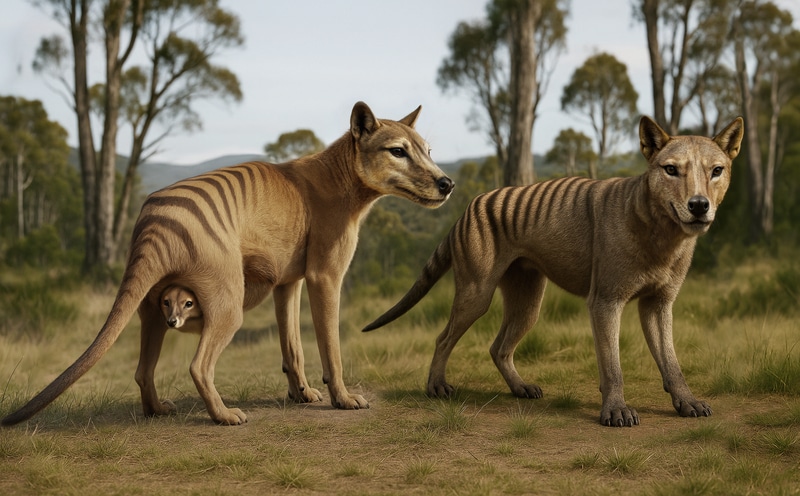

Thylacine mother with joey in pouch in Australian outback

⬅ See all events from 7 September

Spread the word on your favourite platform!

Hunters searching brush near Interstate 90 in Issaquah, Washington, about one mile from Lake Sammamish State Park, stumbled on fragmented human remains scattered across the ground. Forensic examination identified them as Janice Ott and Denise Naslund, two young women who had vanished from the park on the same afternoon in July 1974 after a man with his arm in a sling, calling himself Ted, asked each separately for help loading a boat onto his car.

Among the bones was one extra femur that did not belong to either woman. It was later attributed to Georgeann Hawkins, a University of Washington student who had disappeared weeks earlier while walking a short alley between her boyfriend’s dormitory and her sorority house, her body never otherwise found.

The discovery helped investigators connect a string of disappearances across Washington and Utah to the same killer, Ted Bundy, whose calm, disarming manner and use of a fake injury to lure victims would become one of the most chilling signatures in American criminal history.

Sammamish Lake and Mount Rainier in background near Seattle

⬅ See all events from 7 September

Spread the word on your favourite platform!

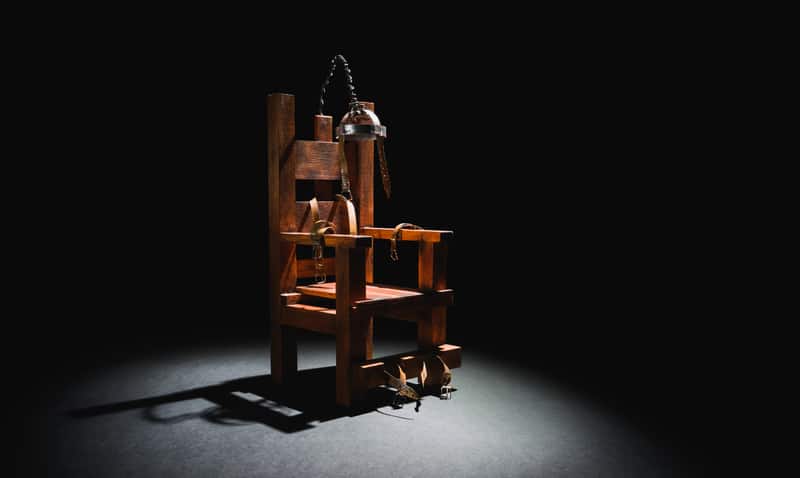
Donald Henry Gaskins Jr., known as Pee Wee Gaskins, was executed in the electric chair at Broad River Correctional Institution in South Carolina at 1:10 a.m. on 6 September 1991, aged 58. A serial killer confirmed to have murdered at least thirteen people between 1970 and 1975, including six teenagers and a two-year-old, he had originally been sentenced to death in 1976 for one of eight bodies found buried near his home in Prospect, South Carolina. That sentence was overturned, and he pleaded guilty to nine murders in exchange for life imprisonment.

His second death sentence came after he murdered a fellow death row inmate, Rudolph Tyner, using C4 explosive while incarcerated at Central Correctional Institution in Columbia. Hours before his execution, Gaskins attempted suicide by slitting his wrists. He claimed to have killed 110 people, a figure widely dismissed by law enforcement and journalists as a bid for notoriety.

His last words were: ‘I’ll let my lawyers talk for me. I’m ready to go.’

Electric chair
Electric chair

⬅ See all events from 6 September

Spread the word on your favourite platform!

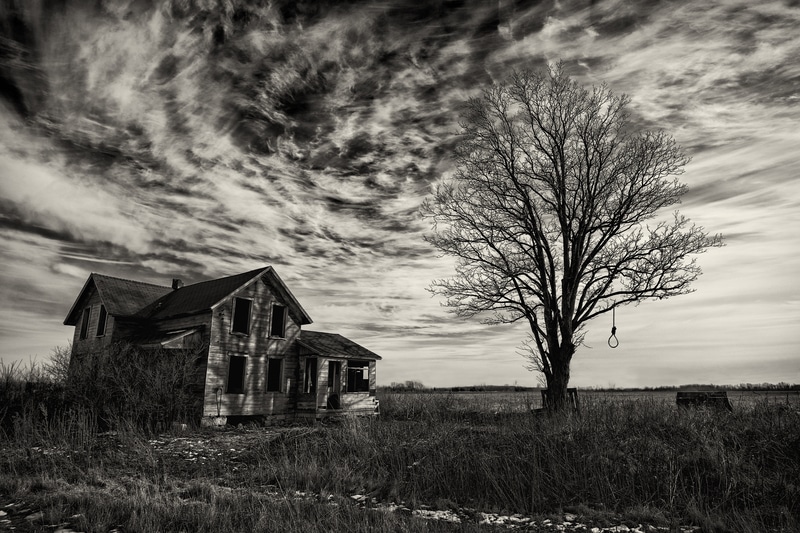
On the night of 6 September 1971, dairy farmer Clifford Bartholomew murdered ten members of his family at their Hope Forest property south of Adelaide, including his wife, seven children aged between four and 19, his sister-in-law and his infant nephew. When police arrived, Bartholomew was sitting calmly at the kitchen table drinking beer; one detective later described him as “cool, calm and collected.”

Bartholomew admitted the killings and was sentenced to death, but his sentence was later commuted to life imprisonment. Despite the scale of the crime, he was released on parole in 1979 after serving just eight years.

Under the new identity Clifford Palmer, he rebuilt his life, remarried and became stepfather to seven children. He lived quietly until his death in 2002. Years later, his second family learned the full extent of his past and discovered that the man they had known as “Poppy Cliff” had been responsible for one of Australia’s worst family massacres.

Abandoned farmhouse with hangmans noose under dark sky

⬅ See all events from 6 September

Spread the word on your favourite platform!
On This Day in True Crime History
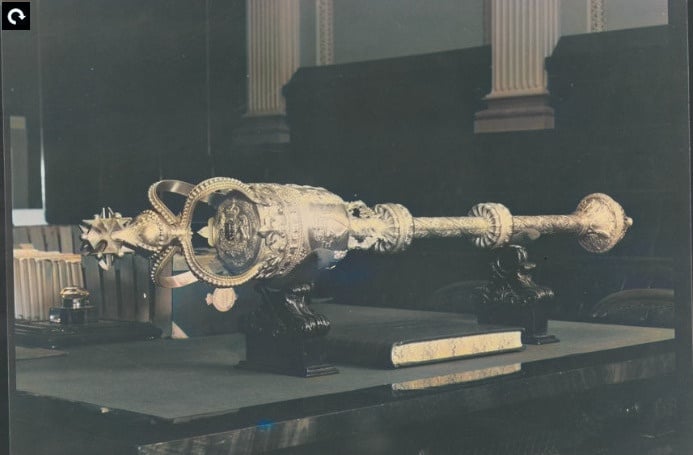
1891·The Mace, the Madam, and a Melbourne Scandal That Never Died
1959·Through a Chapel Ventilator: the Sydney Jailbreak That Triggered Australia's Biggest Manhunt
More Crime On This Day →

Subscribe to Dark Stories

True crime stories, dark history and tour news, straight to your inbox.