1890: William Kemmler: The First Man Executed by Electric Chair

William Kemmler, a vegetable peddler from the slums of Buffalo, New York, became the first person in history executed by electric chair. On March 29, 1889, in the grip of a drunken rage, he accused his common-law wife Matilda ‘Tillie’ Ziegler of theft and betrayal, retrieved a hatchet from the barn, and beat her to death. He then walked to a neighbour’s house and announced what he had done.

Convicted of first-degree murder in May 1889 and sentenced to death, Kemmler was chosen as the inaugural test of New York’s new electrocution law, which had replaced hanging on January 1, 1888. His execution at Auburn Prison on August 6, 1890 did not go smoothly. Developers including George Westinghouse had fought to block use of their technology for executions, and legal appeals argued the chair violated the Eighth Amendment’s ban on cruel and unusual punishment. The appeals failed, and Kemmler died in the chair, though witnesses reported the process was prolonged and deeply disturbing.

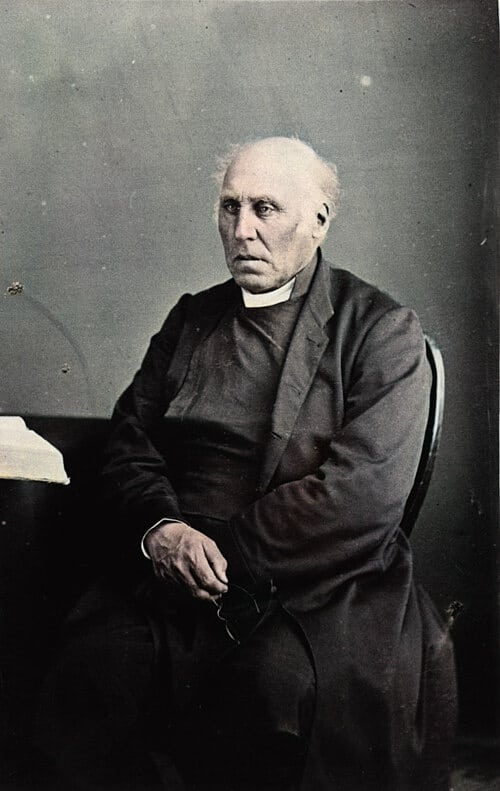
Illustration of a man executed by electrocution in electric chair

⬅ See all events from 6 August

Spread the word on your favourite platform!

1858: Matthew Burns Hanged at Avoca for Assault in a Botched Double Execution

Matthew Burns, convicted of assault, and George Young, convicted of the murder of Esther Scott, were hanged together at the gaol in Avoca on 5 August 1858. Both men were attended by Catholic clergy until the final moment, clinging to every possible delay before the bolt was drawn.

The execution of Burns descended into a horror. The rope yarn used to pinion his arms gave way, allowing him to grasp the rope at his neck and resist the drop. The executioner was forced to physically compel Burns to release his hold before he finally fell, and he strangled slowly for several minutes after Young had died. The cause was later attributed to the authorities having refused to supply proper rope and twine, forcing the executioner to use whatever materials the gaol had on hand.

Neither man confessed from the scaffold, but neither protested his innocence. Both appeared, in the words of those present, to tacitly admit their guilt.

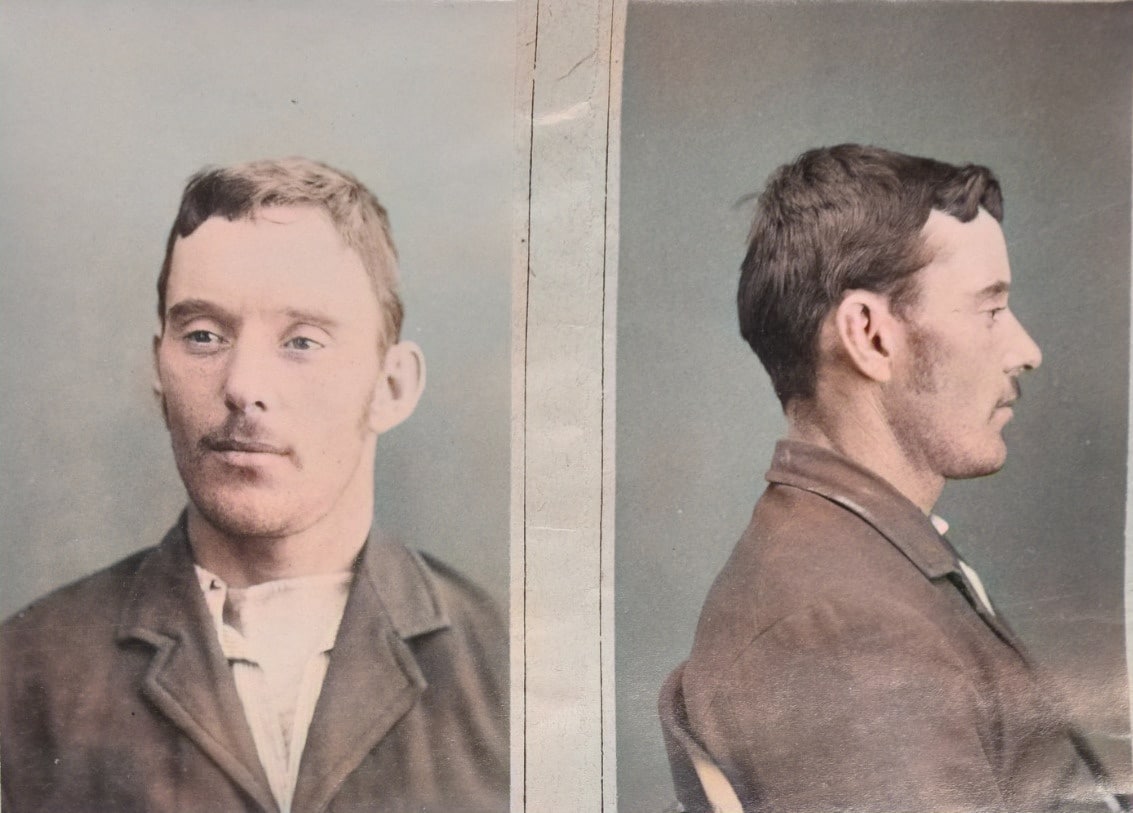
Avoca lockup

⬅ See all events from 5 August

Spread the word on your favourite platform!

1856: Michael Casey Hanged at Oatlands for a Brutal Assault with Intent to Murder

Michael Casey, an Irish labourer working to clear land at Falmouth, Tasmania, attacked a fellow worker named John Hewitt with a stick and then kicked him in the head, leaving him unable to move. The following morning, Casey returned armed with a gun, stood over the stricken man, and said ‘you are not dead then’ before fleeing when a bystander appeared. A jury found him guilty of wounding with intent to kill, and he was sentenced to death.

While awaiting execution at Oatlands Gaol, Casey attempted suicide by sharpening an iron spoon and opening a vein in his arm, concealing the wound beneath a strip of old blanket. The act was discovered before he died, and he was nursed back to health only to face the gallows. On 5 August 1856, he was hanged in what was reported as the first private execution within the precincts of Oatlands Gaol.

Colonial era solitary cells uncovered beneath old pool at gaol

⬅ See all events from 5 August

Spread the word on your favourite platform!

1861: Nathaniel Ruby Hanged at Melbourne Gaol for the Murder of a Fellow Miner at Tarnagulla

At Sandy Creek, near Tarnagulla, the body of Joseph Watson was discovered at the bottom of a deep mine shaft in August 1861. He had been beaten to death, his skull crushed by repeated blows. Two large bloodied stones were found nearby. Nathaniel Ruby, a former mate of the deceased, had already confessed to a woman named Mary Ann Annersley, telling her he would kill Watson after learning she had been with him. Hours later he returned and told her plainly: ‘I have killed Joe, he is for the grave and I’m for the gallows.’

Ruby was arrested on the strength of Annersley’s account and the physical evidence recovered from the shaft. He was tried, convicted, and hanged at Melbourne Gaol on 5 August 1861. Watson had recently found a gold nugget worth around 150 pounds; how much remained on him at the time of his death was never established.

Ruby’s own words to Annersley on the night of the killing served as the most damning evidence against him: ‘I have killed Joe, he is for the grave and I’m for the gallows.’

Golden nuggets in the museum. Gold in nuggets | ID 189813062 © Lyaschock | Dreamstime.com

⬅ See all events from 5 August

Spread the word on your favourite platform!
On This Day in True Crime History

Subscribe to Dark Stories

True crime stories, dark history and tour news, straight to your inbox.