1803: Bribery Couldn’t Save Them: Two Men Hanged at Castle Hill for a Hawkesbury Robbery

On 27 September 1803, John Lynch and James Tracey were hanged at Castle Hill for a violent robbery at the Hawkesbury home of Samuel and Elizabeth Phelps. Five men had entered the house on the evening of 24 July, knocked Samuel down and bound both husband and wife before stealing money, watches, clothing and other property. Before leaving, they stripped two gold rings from Elizabeth’s fingers.

The following morning, Lynch gave a labourer a bundle of stolen papers to hold, warning him not to show anyone. When he delayed returning them, he was offered silver teaspoons and then a watch. He accepted the items but kept the papers, eventually informing the authorities and producing evidence that linked Lynch to the robbery.

Both men were convicted and sentenced to death. At the Castle Hill gallows in Sydney, Lynch admitted his guilt and urged the spectators to take warning from his fate. Tracey continued to deny involvement and interrupted Lynch’s final address before the two were hanged.
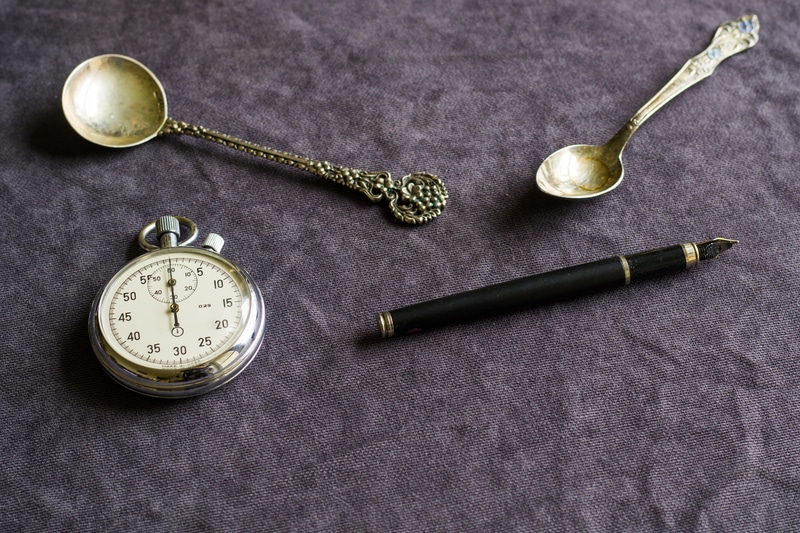

Vintage pocket watch, fountain pen and spoons on a table

⬅ See all events from 27 September

Spread the word on your favourite platform!
True Crime Scene Tape

1964: The Warren Commission Declares Lee Harvey Oswald the Lone Gunman in the Kennedy Assassination

On September 27, 1964, the Warren Commission delivered its report on the assassination of President John F. Kennedy, concluding after a ten month inquiry that Lee Harvey Oswald acted alone in firing the shots that killed the president in Dallas on November 22, 1963.

The commission, chaired by Chief Justice Earl Warren and formed by executive order of President Lyndon Johnson, found no evidence of a conspiracy, foreign or domestic, and determined that Jack Ruby likewise acted alone when he shot Oswald dead two days after the assassination while Oswald was in police custody.

The report’s single bullet theory, used to explain the wounds suffered by both Kennedy and Texas Governor John Connally from one shot, became the most disputed element of the findings and fueled decades of public skepticism and rival conspiracy theories that persist to this day.

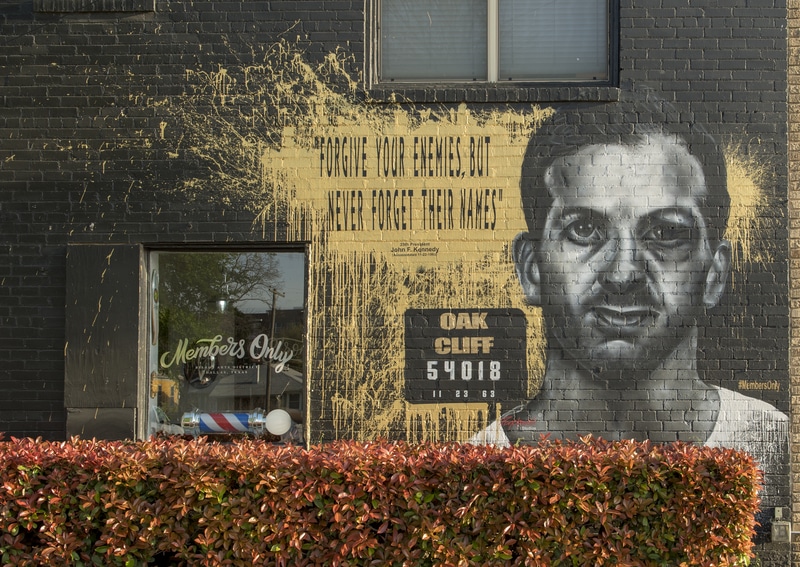
Lee Harvey Oswald Mural, Bishop Arts District, Dallas, Texas. Pictured is a mural on the side of the Members Only barber shop in the Bishop Arts District, Dallas, Texas. It features Lee Harvey Oswald, the man who assassinated president John F. Kennedy on November 22, 1963. He was arrested a short time later in the Texas Movie Theatre in Oak Cliff. It was painted by renowned Dallas muralist, Theo Ponchaveli. The Bishop Arts District is a small shopping and entertainment district in north Oak Cliff, immediately southwest of Downtown Dallas. It was originally developed as warehouses and shops in the 1920s. | ID 112938931 © David Pillow | Dreamstime.com
ID 112938931 © David Pillow | Dreamstime.com

⬅ See all events from 27 September

Spread the word on your favourite platform!
True Crime Scene Tape

1969: The Zodiac Killer Leaves His Own Scorecard Written on a Victim’s Car Door

On September 27, 1969, at about 6.30 pm, the Zodiac Killer attacked Bryan Hartnell, 20, and Cecelia Shepard, 22, as they picnicked at Lake Berryessa in Napa County, California. He wore a black hooded costume marked with his crosshair symbol and, breaking from the shootings of his earlier attacks, stabbed both victims repeatedly. Hartnell survived; Shepard died two days later.

Before leaving, the killer used a black felt-tip pen to draw his crosshair signature on Hartnell’s car door, then listed beneath it the dates and locations of his previous attacks: Vallejo, 12-20-68, 7-4-69, and the day’s own assault, 6:30, by knife. The first date referred to the killing of David Faraday, 17, and Betty Lou Jensen, 16, on Lake Herman Road, and the second to the shooting of Michael Mageau, 19, and Darlene Ferrin, 22, in a Vallejo park, where Mageau survived and Ferrin died.

The note tied all three attacks together in the killer’s own hand at the scene, before any letter to police or press had been sent. He then drove roughly 27 miles to a car wash in downtown Napa and, from a payphone, calmly called the Napa County Sheriff’s Department himself at 7.40 pm to report the crime.

Symbolism
Symbolism

⬅ See all events from 27 September

Spread the word on your favourite platform!
True Crime Scene Tape

1892: He Stood at the Roadside as the Body Went By: a Brisbane Teenager Hanged for Murder

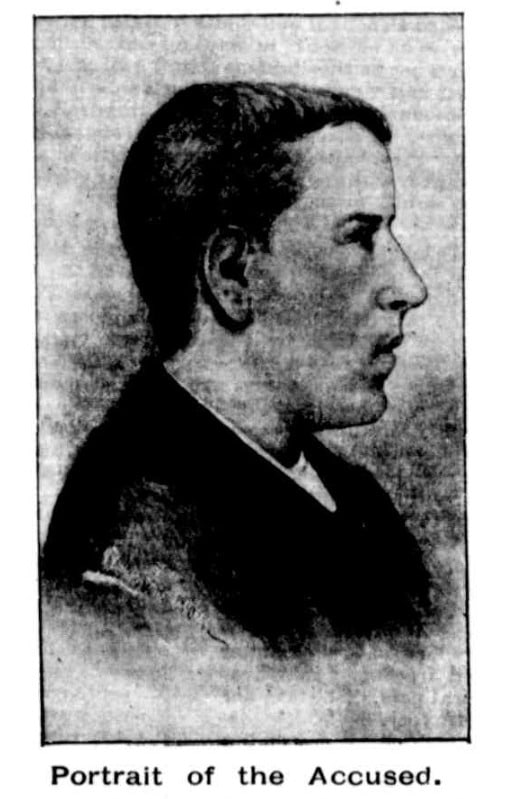
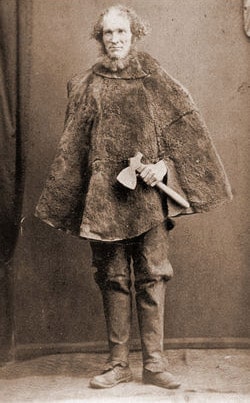
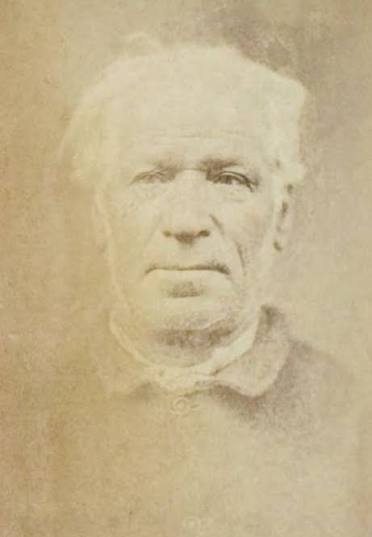
Frank Horrocks was barely 17, the son of a senior Queensland civil servant and only a year out of grammar school in Brisbane, when he was charged with murder. As police carted the body of his victim to the morgue, Horrocks was reportedly standing at a road junction, watching it pass.    Rudolph Weissmuller, 20, was a newly arrived immigrant looking for bush work, and Horrocks was the only fellow lodger he confided in. In April 1892 the pair left their boarding house together; only Horrocks came back, and he slipped away that night without paying his board. The body was found in the bush beside a small tomahawk, the twin of one Horrocks had bought the day before. He gave a false name when arrested, which proved useless: the detective sent to collect him had known him since he was a little boy.    Pleas for mercy on the grounds of his youth and unsound mind were refused. Several hundred people, some with infants in their arms, gathered outside the gaol on the morning of the execution. Horrocks had slept soundly and eaten a hearty breakfast, stood “steady as a rock” on the scaffold and never spoke.    On his arrest he had insisted “I did not kill him”, but before the end he sent a confession to the Governor, admitting the deed and the justice of his sentence.

Frank Horrocks Unmoved

⬅ See all events from 26 September

Spread the word on your favourite platform!
True Crime Scene Tape
On This Day in True Crime History

Subscribe to Dark Stories

True crime stories, dark history and tour news, straight to your inbox.