A boy named John Burtenshaw was killed in 1839 while minding sheep on the banks of the Canning River near Maddington, within sight of a farm a few miles from Perth. The accused was identified as responsible during a tense period of conflict between settlers and Aboriginal communities on the colonial frontier.

He was tried and sentenced to death, then taken from Fremantle gaol in 1841 and hanged at the very spot where the killing had occurred. Accounts recorded that on the road to the gallows he showed no fear, finding comfort in a belief that after death he would come back to life.
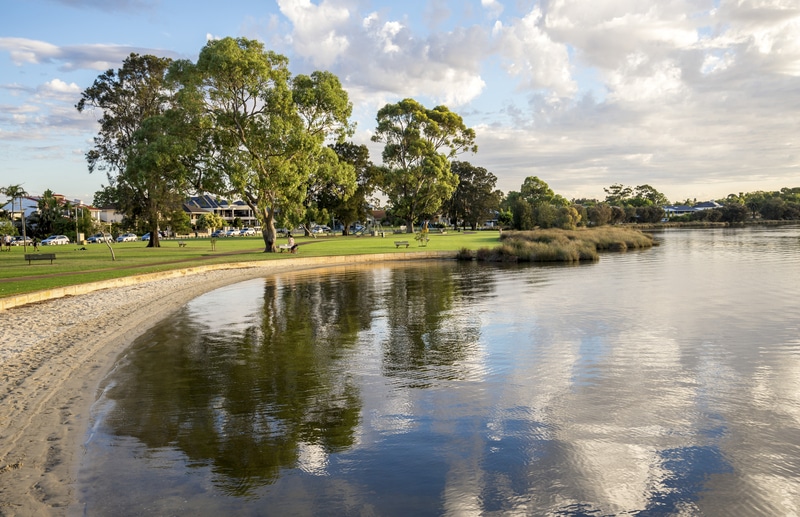

Curved sandy riverbank on Canning River in Perth at sunset

⬅ See all events from 14 October

Spread the word on your favourite platform!

Dino Dibra, 25, was one of the early casualties of Melbourne‘s gangland war. He was gunned down on this day the moment he stepped outside his home in Sunshine West, hit multiple times in what police believed was a professional, pre-planned hit rather than a chance confrontation.

Investigators were confident a hired shooter had been waiting for him, and suspicion quickly fell on Andrew Veniamin, a figure who would go on to be linked to several more killings as the underworld conflict spread across the city. Dibra’s murder became one of the opening chapters in a decade-long cycle of tit-for-tat violence that would eventually claim more than thirty lives.

Gangland: more than a dictionary definition in Melbourne, 1998–2010.

⬅ See all events from 14 October

Spread the word on your favourite platform!

Jean Eric Gassy was a psychiatrist deregistered in 1997 after Dr Margaret Tobin, his former boss, flagged his fitness to practise. Convinced she had conspired to destroy his career, he drew up a hit list of doctors and, five months before her death, followed her to a conference in Brisbane armed with a gun, only to drop it on the pavement outside and abandon the attempt.

On 14 October 2002 he tried again, flying to Adelaide, disguising himself and following Tobin into the lift of her Hindmarsh Square office. As she stepped out onto her floor, he shot her four times, then removed his disguise and walked away. Convicted of murder in 2004, he won a retrial when the High Court found the trial judge’s directions had caused a substantial miscarriage of justice; a second jury convicted him again in 2009, and he remains in prison with a non-parole period of 34 years.

Shot whilst stepping out of an elevator door.

⬅ See all events from 14 October

Spread the word on your favourite platform!

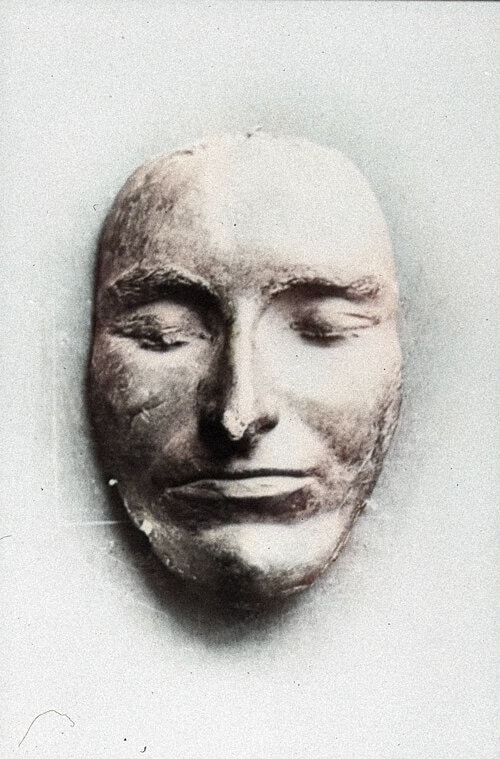
William Westwood was already notorious as Jackey Jackey, a bushranger transported twice and flogged repeatedly, when he helped lead the 1846 Cooking Pot Uprising on Norfolk Island, a desperate convict revolt sparked by brutal rations and treatment. In the chaos, three constables and an overseer were killed.

He was 26 when he was hanged on 13 October 1846, one of the largest mass executions in Australian penal history.

Death mask of William Westwood known as Jackey Jackey

⬅ See all events from 13 October

Spread the word on your favourite platform!
On This Day in True Crime History
1852·Mercy Recommended, Mercy Denied: John Riches Hanged in Melbourne Over a Deadly Camp Quarrel
1989·Twice in 24 Hours: the Granny Killer Claims Another Victim in Sydney
2005·The First Murder Convictions of the Melbourne Gangland War: Keith Faure and Evangelos Goussis Convicted
More Crime On This Day →

Subscribe to Dark Stories

True crime stories, dark history and tour news, straight to your inbox.