Archives: Dark Stories: On This Day In True Crime History - Page 34
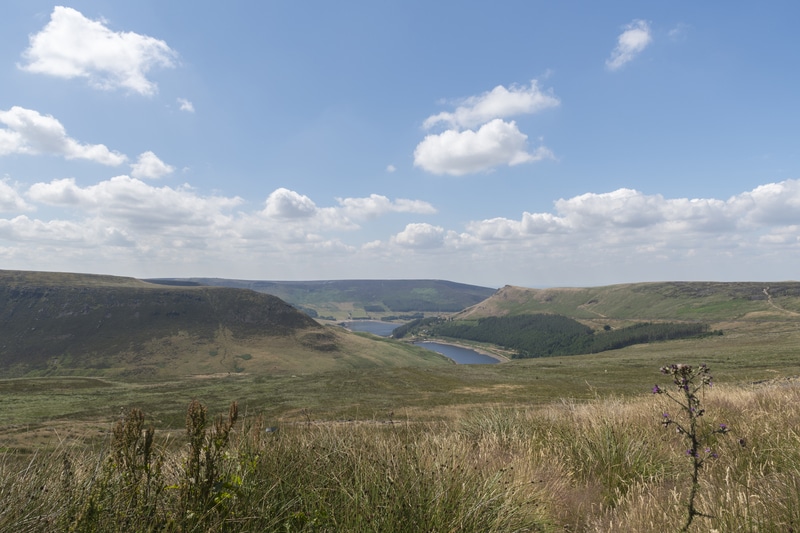
Lesley Ann Downey had been missing since Boxing Day 1964, taken from a Manchester fairground and killed by Ian Brady and Myra Hindley, who recorded her final minutes on tape. In October 1965 police digging on Saddleworth Moor spotted a bone protruding from the peat.
The body recovered was still visually identifiable. It was formally confirmed the next day as Lesley Ann, and her mother identified her by the clothing recovered with her, bringing a grim end to months of searching in one of Britain’s most notorious crime cases.
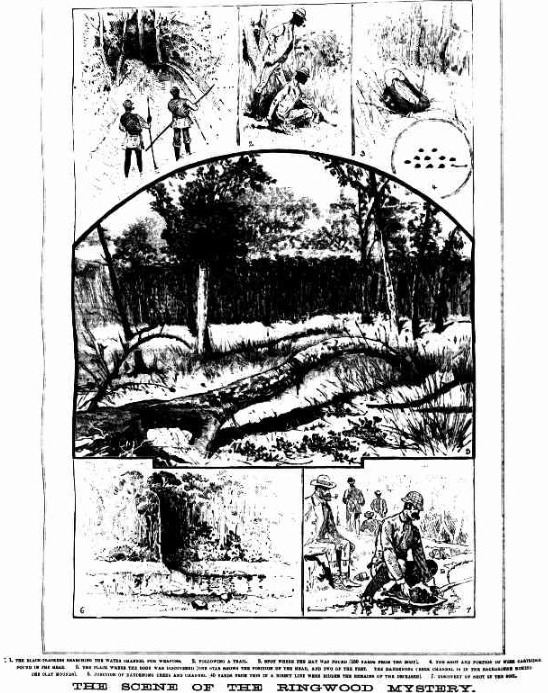
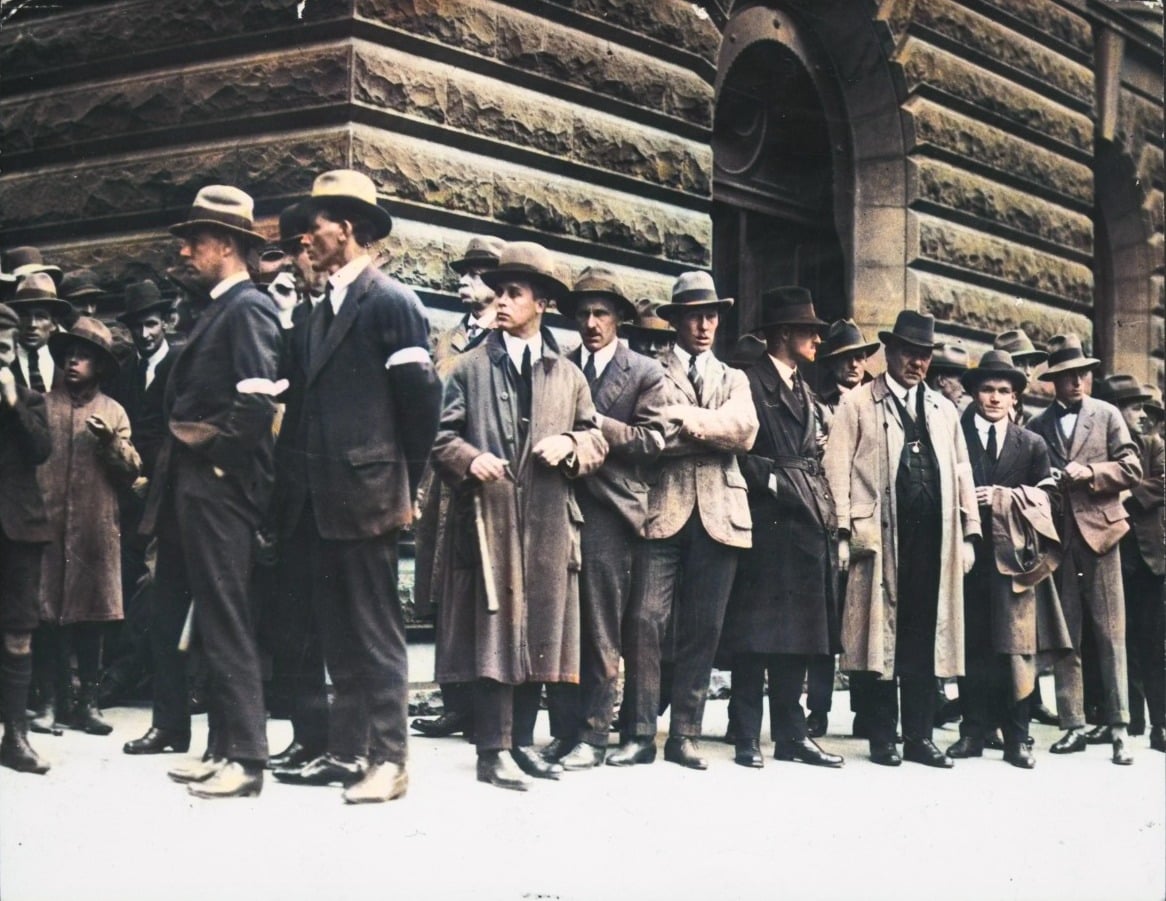
When civil engineer Peter Sherlock vanished in July 1889, his landlord Robert Landells claimed he had gone up country looking for work. About a month later, Sherlock’s body was discovered beneath branches near Ringwood, outside Melbourne, with a fractured skull and devastating gunshot injuries to his face.
Landells told the inquest Sherlock had been broke and depressed, a man likely to have taken his own life. Detectives found otherwise: Sherlock held 200 pounds in securities, and after his disappearance Landells had cashed his cheques and sold his gun to a grazier near Beaufort. Confronted, Landells confessed to shooting Sherlock while passing the loaded gun between them, insisting it was an accident, then panicking and burying the body. A jury did not believe him, and he was hanged at Melbourne Gaol on 16 October 1889 in an execution so botched the rope nearly severed his head.
Landells kept to his story of an accident to the end, refusing calls to confess. When the sheriff asked on the scaffold whether he had anything to say, he replied only, “No, sir.”
Sketch of Ringwood mystery crime scene near Dandenong Creek 1889
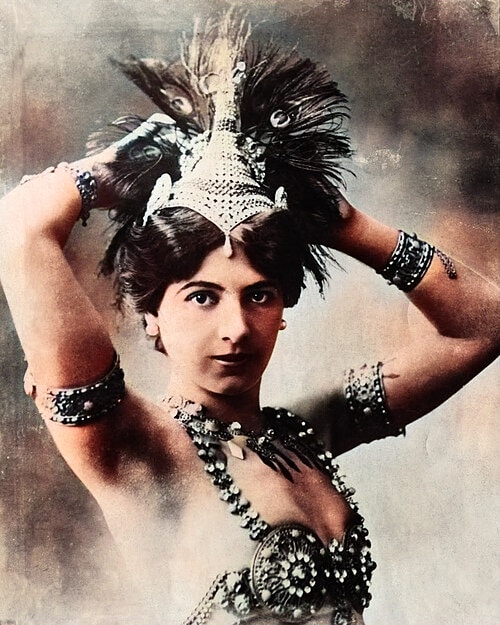
She was born Margaretha Zelle in the Netherlands and reinvented herself in Paris as Mata Hari, an exotic dancer whose stage act and string of wealthy, often military, lovers made her a sensation across Europe. When war came, French intelligence suspected she was selling pillow talk to Germany.
The evidence against her was thin and largely circumstantial, built on intercepted telegrams and a reputation for scandal rather than proof. A French military tribunal convicted her of espionage anyway, and she was executed by firing squad outside Paris on 15 October 1917.
She refused a blindfold and reportedly blew a kiss to the soldiers before they fired, going to her death still insisting she had never betrayed France.
Caroline Grills was the kind of woman neighbours trusted: she brought cups of tea and homemade treats to relatives and friends, and several of them sickened and died. On this day she was convicted of the attempted murder of Eveline Lundberg with thallium, the same insidious poison police believed had already killed members of her own family.
Her manner in the dock attracted attention. When the jury returned its guilty verdict, Grills shrugged her shoulders and smiled broadly. After the judge recorded a sentence of death, she reportedly turned to police and asked, “Is that all?” She had protested her innocence throughout the trial.
The sentence was later commuted to life imprisonment. Grills died on 6 October 1960 never expressing remorse for the deaths linked to her name.
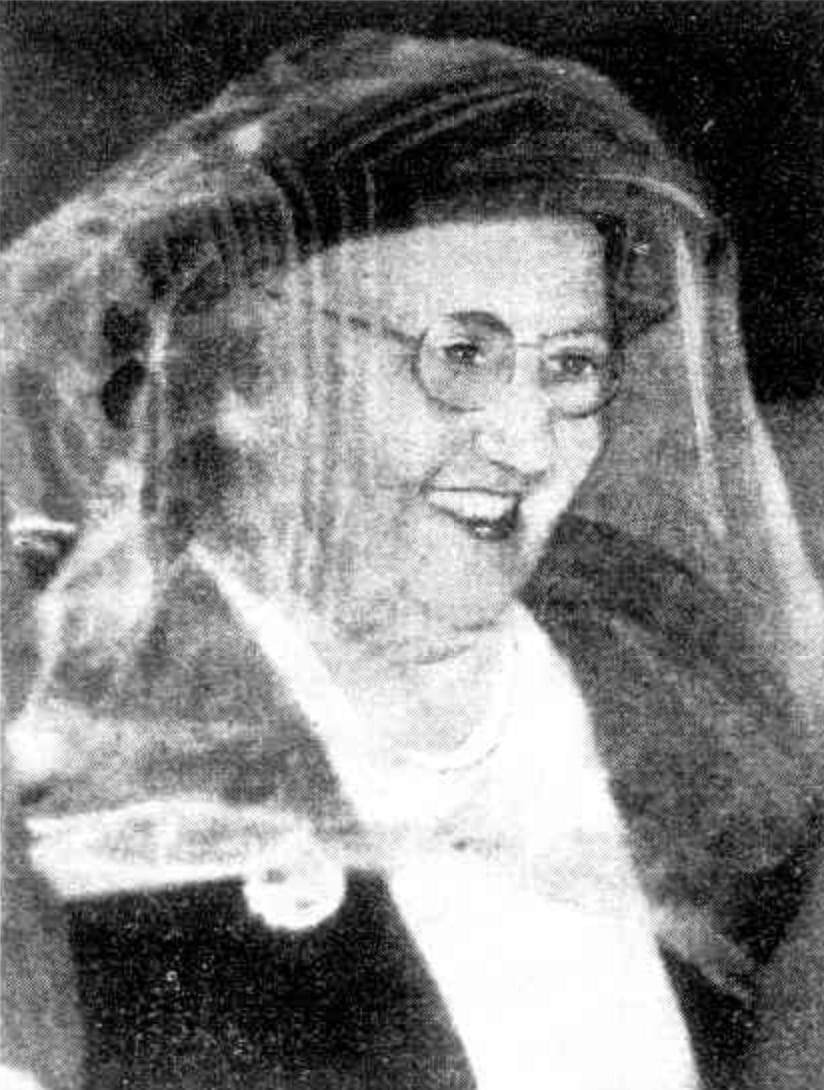
Caroline Grills arriving at Sydney Central Court, 9 July 1953. Unknown photographer. Originally published in the Brisbane Telegraph. Source: Trove, National Library of Australia. Public domain.