In October 1965, Ian Brady picked up seventeen-year-old Edward Evans at a Manchester railway station, telling him he had been invited home for a drink. At the house on Wardle Brook Avenue, Brady had Myra Hindley fetch her brother-in-law David Smith under the pretext of sharing miniature wine bottles. Smith arrived in time to witness Brady strike Evans with a hatchet and strangle him with electrical cord, screams tearing through the house as Hindley called out for help.

Smith helped move the body to a spare room before fleeing home, where he was sick and told his wife everything. He contacted police the next morning armed with a screwdriver and bread knife in case Brady came after him. Officers found Evans’ body behind a locked door, and as he dressed for arrest, Brady offered a chillingly understated explanation: he and Evans “had a row and the situation got out of hand.” The killing exposed what became known as the Moors Murders.


Shocked male witness after fatal late night accident

⬅ See all events from 6 October

Spread the word on your favourite platform!

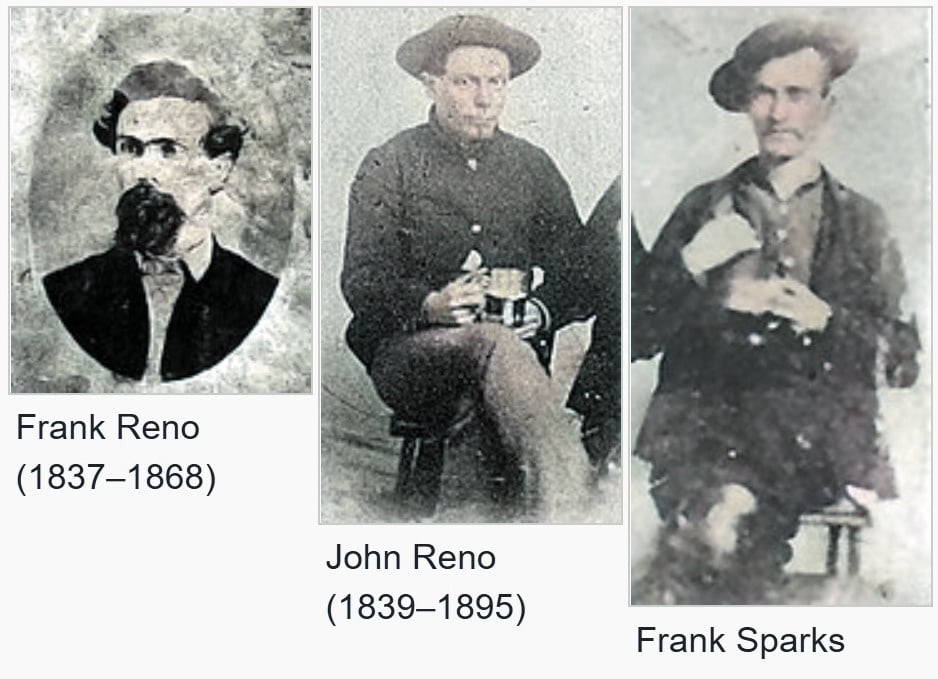
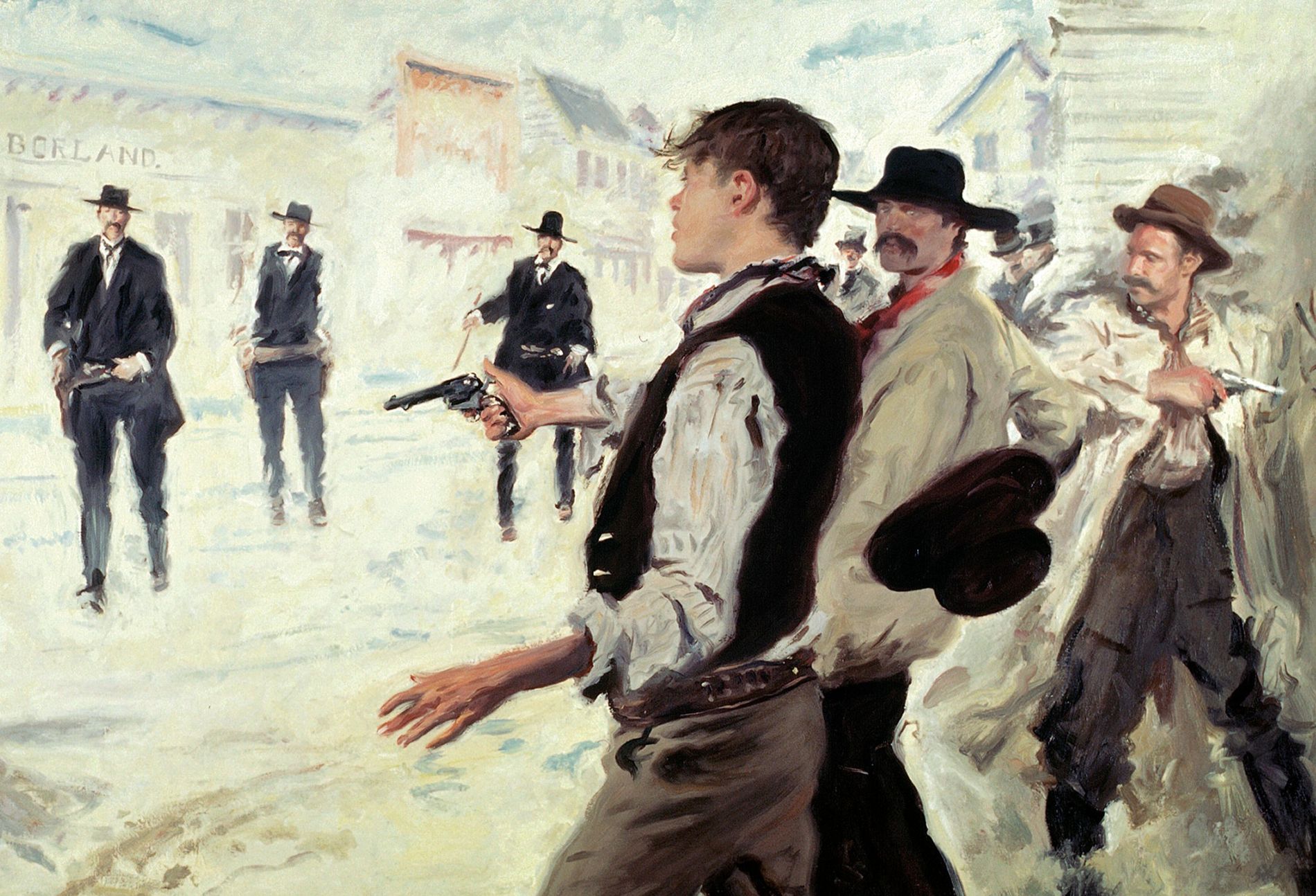
On the night of October 6, 1866, three members of the Reno Gang boarded an Ohio and Mississippi Railway train as it pulled out of Seymour, Indiana, overpowered the express guard and cracked open a safe holding roughly 16,000 dollars. They then shoved a second, heavier safe off the moving train for the rest of the gang to finish the job, but could not break it open before a posse closed in and they fled. It was, as far as anyone could tell, the first train robbery in American history.

The job, pulled off by brothers Frank, John, Simeon and William Reno, became the blueprint for a wave of copycat train robberies across the Midwest. Within two years the brothers paid for it dearly: dragged from jail cells by masked vigilantes and hanged, most of the gang’s stolen fortune never recovered.

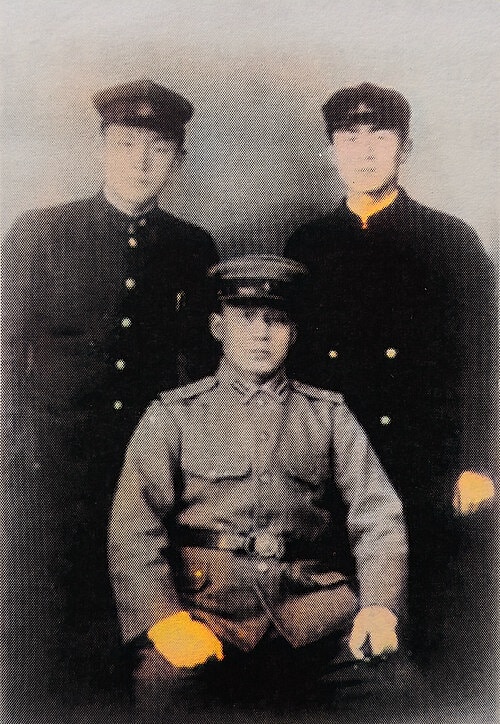
Portrait of the Reno Brothers members of the Reno Gang train robbers

⬅ See all events from 6 October

Spread the word on your favourite platform!

At a one-teacher school in rural Victoria, two unemployed plasterers, Edwin John Eastwood and Robert Clyde Boland, burst in with a sawn-off shotgun and forced 20-year-old teacher Mary Gibbs and her six young pupils into a van, demanding a million dollar ransom. Victoria’s premier agreed to pay, and the education minister himself waited at the handover point with police hidden nearby, but the kidnappers never returned to collect it.

Left alone with the children overnight, Gibbs kicked out a door panel with her heavy platform boots and led the girls through the dark bush to safety. Eastwood and Boland were run down in a manhunt; Eastwood pleaded guilty and was jailed, while Boland was convicted after three trials.

It was not the end of the story. Eastwood escaped prison years later and staged a second mass kidnapping of a teacher and nine pupils, and while back behind bars he killed a fellow inmate in what was ruled self-defence.

White camper van parked on dirt pull-off overlooking rural hills

⬅ See all events from 6 October

Spread the word on your favourite platform!

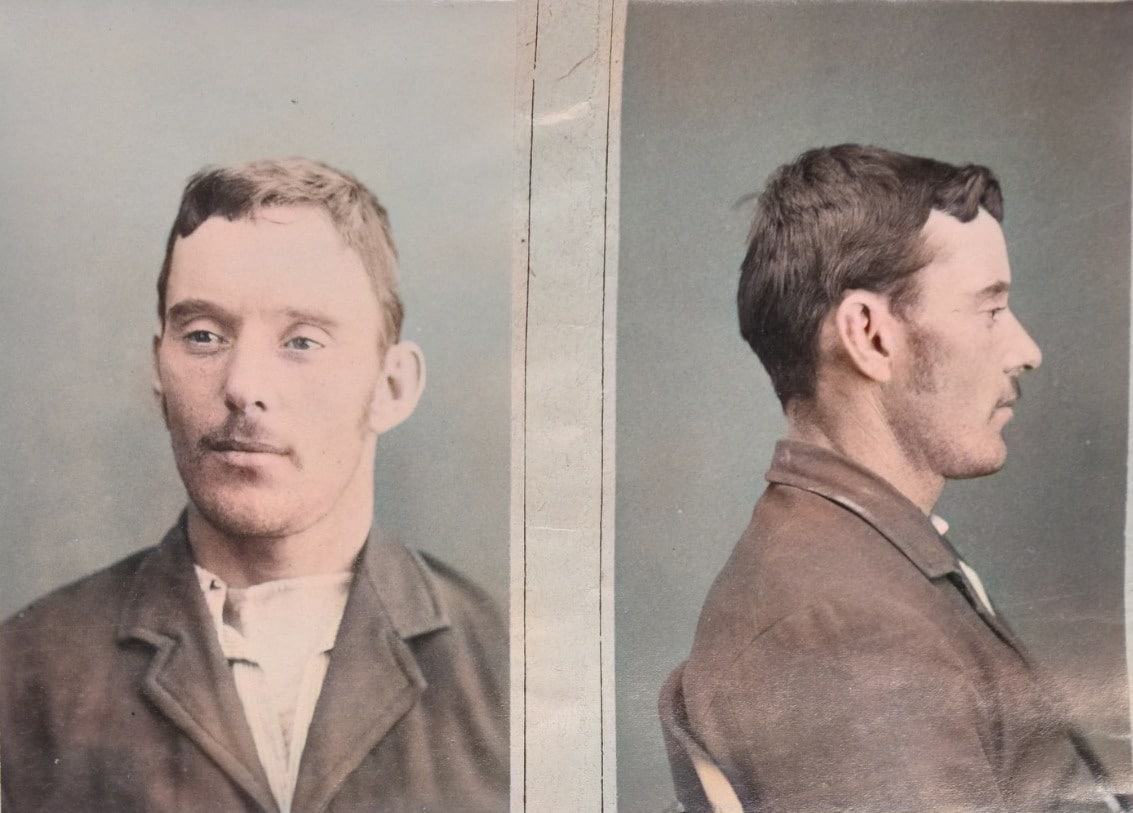
George Dean had already escaped the gallows once, pardoned after a Royal Commission cast doubt on the poisoning case against his wife, Mary. Then a North Shore chemist named Smith came forward, admitting he had sold Dean arsenic and strychnine after Dean claimed he needed a double dose and two poisons to deal with rats on his property.

On 5 October 1895 detectives approached Dean just as he stepped off his ferry at Sydney‘s Circular Quay, still dressed in his captain’s uniform, and arrested him again. “I wonder how many more times I shall be arrested over this affair,” he remarked, before going with the detectives.

Dean subsequently confessed in writing to poisoning his wife. He was convicted of perjury committed to procure his own acquittal and sentenced to fourteen years, while his former lawyer and others faced charges of conspiring to pervert the course of justice.

George Dean lemon syrup case. Prison photograph. Credit: Museums of History NSW, State Archives Collection.

⬅ See all events from 5 October

Spread the word on your favourite platform!
On This Day in True Crime History

Subscribe to Dark Stories

True crime stories, dark history and tour news, straight to your inbox.