A brutal ambush in the shadow of the gaol wall left young William Hickey beaten unconscious, his skull cut open and his jaw broken, in a robbery that netted his attackers little more than a hat, a pair of shoes and twenty shillings. The alarm was raised by a publican’s son who watched the assault from his doorway, and constables chased two fleeing men through the streets of Sydney, catching George Williams yards away still clutching a stone to hurl at his pursuer.

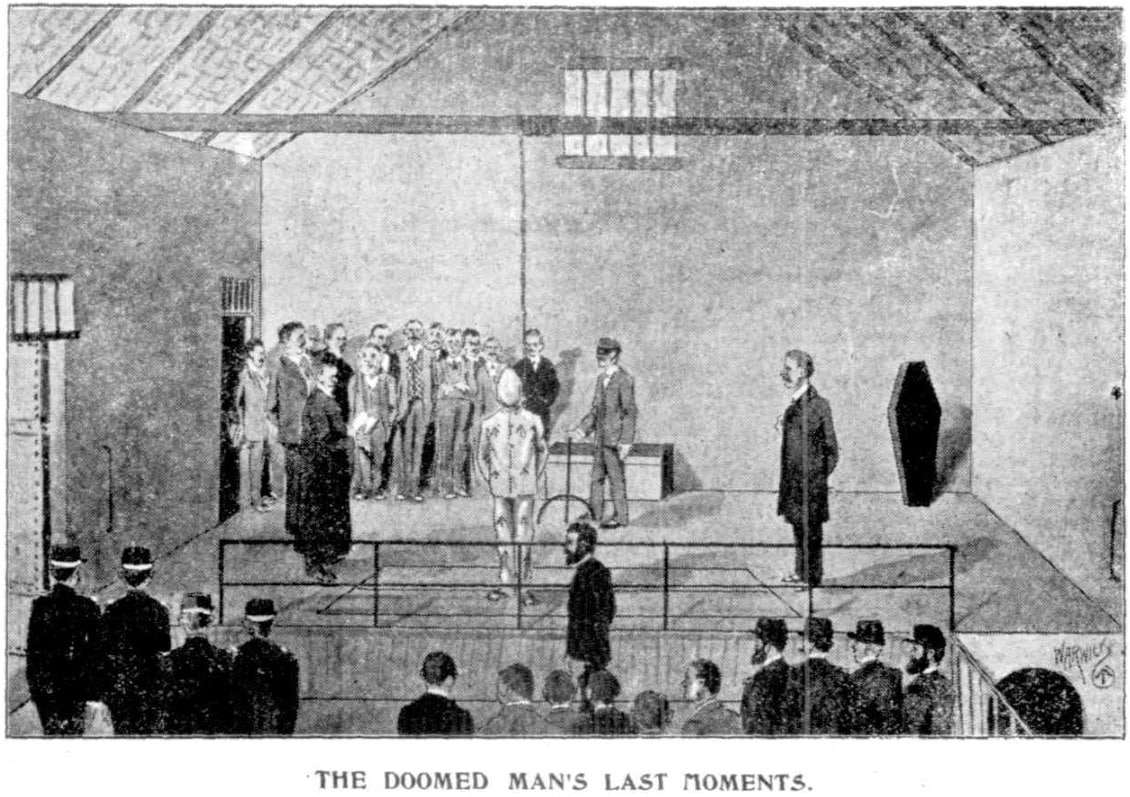
At trial Williams protested his innocence in a written defence, pointing out that Hickey could never identify his attacker’s face, only the stolen hat and shoes dropped mid flight. The jury convicted him regardless, and he was publicly hanged in Sydney on 22 October 1829, meeting his end, witnesses said, with calm and reverent composure.
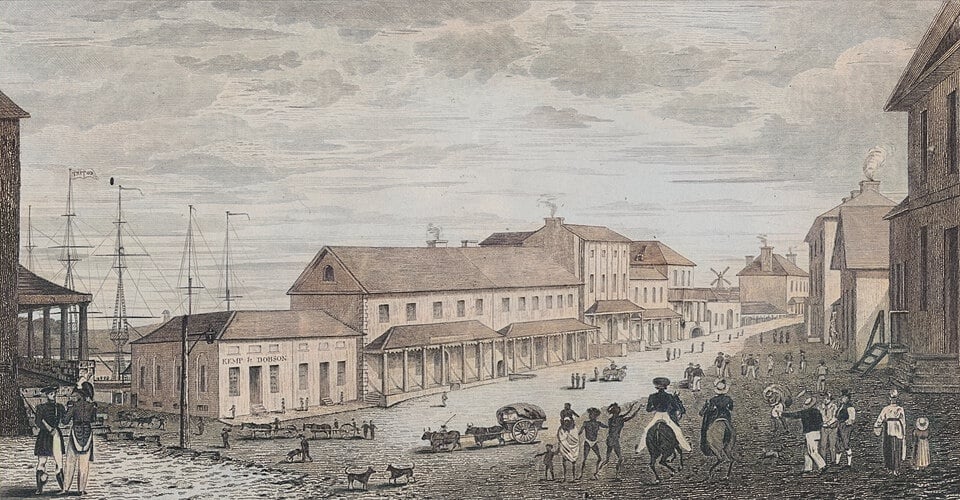

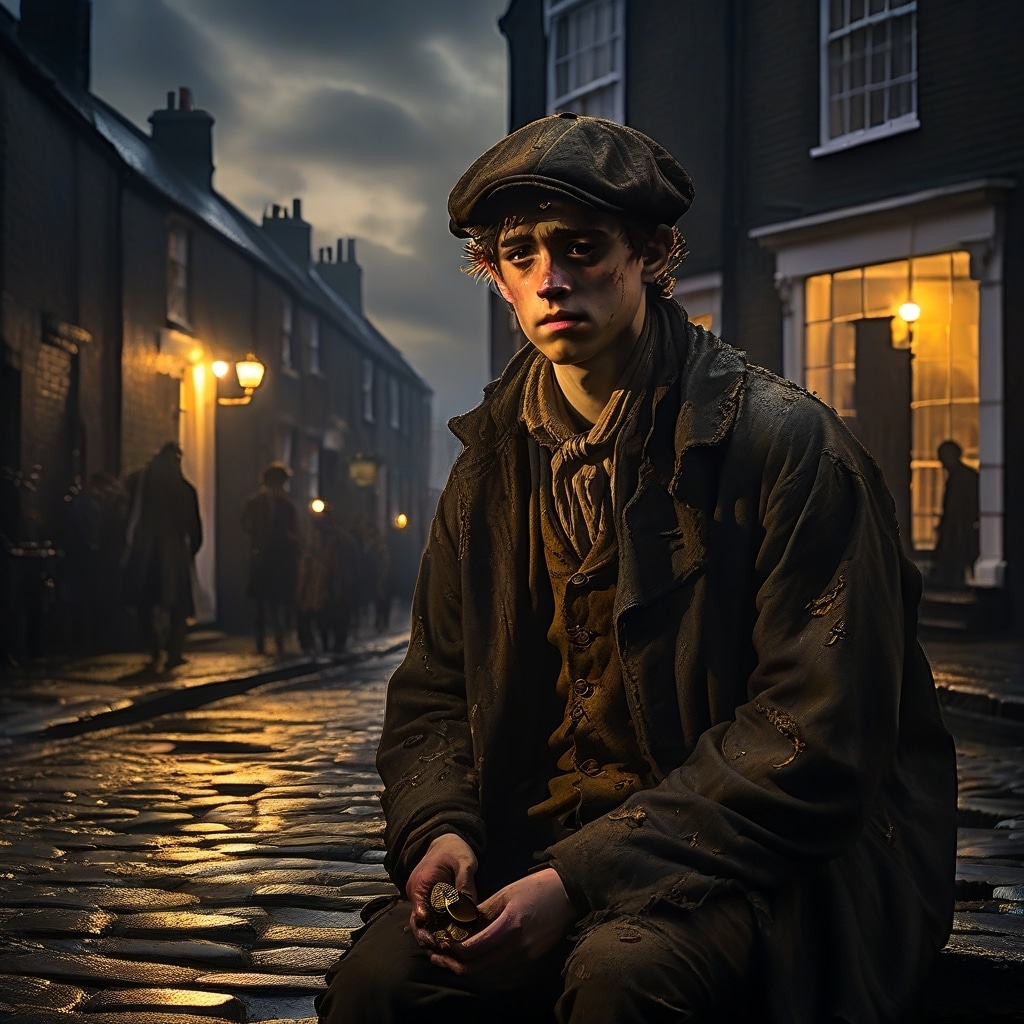
Lower George Street Sydney street scene 1828

⬅ See all events from 22 October

Spread the word on your favourite platform!

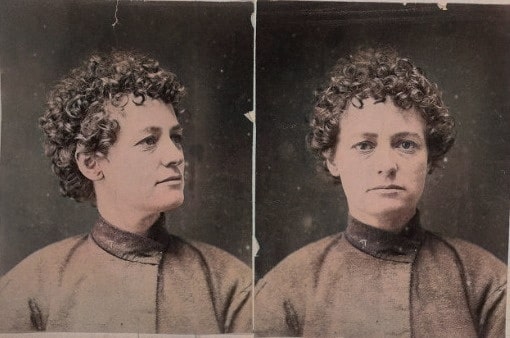
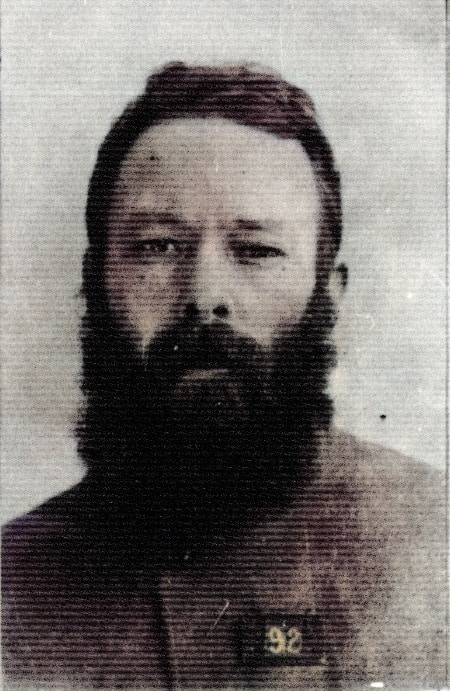
Martha Needle had already buried her husband and both young daughters, each death blamed on a mysterious wasting illness, when she turned her attention to the family of her fiance, Otto Juncken. Months before her arrest she fed his brother Louis arsenic, and when his only surviving brother also sickened, doctors found arsenic disguised as rat poison in his vomit. Police lay in wait and caught Needle in the act, offering him a cup of tea laced with ten grains of poison.

Tried for Louis’s murder, her lawyer argued that she suffered fits of unconsciousness and should not be held responsible, but an insanity plea was dismissed. Convicted with no recommendation for mercy, Needle was hanged in Melbourne on 22 October 1894. Exhumations later found arsenic in the bodies of her husband and both daughters as well, confirming a killing spree that had gone undetected for years. She left everything she owned to Otto, the man who had stood by her to the end.

Martha Needle: Public Record Office Victoria, VPRS 516/P0000, Central Register of Female Prisoners, register nos. 5926–6415 (1891–1896).

⬅ See all events from 22 October

Spread the word on your favourite platform!

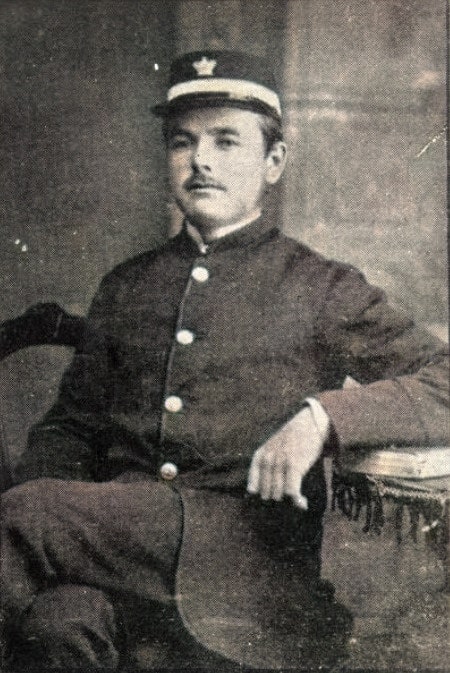
When lookouts aboard HMS Dido spotted flames rising from a home near Auckland on 22 October 1847, sailors raced ashore to find Lieutenant Robert Snow, his wife Hannah and their young daughter Mary butchered, with flesh cut from each body and the house set alight. The staging was deliberate: ship’s carpenter Joseph Burns had mutilated the family to make the killings look like a Maori attack, hoping to steal the twelve pounds in naval pay kept in the house and spark fears of an uprising that gripped Auckland for weeks.

With Maori leaders unable to produce a culprit, suspicion only turned to Burns after he coerced his partner, Margaret Reardon, into backing a false confession blaming two innocent neighbours. Mid trial, word reached the court that Burns had cut his own throat in a failed suicide attempt, and in its aftermath he retracted the accusation. Reardon then testified against him, and Burns was convicted and hanged the following June, becoming the first European executed in New Zealand.

Burns went to the gallows having made a full confession, though it unfairly implicated Reardon, who was later convicted of perjury and transported to Tasmania.

Devonport, New Zealand, Today

⬅ See all events from 22 October

Spread the word on your favourite platform!

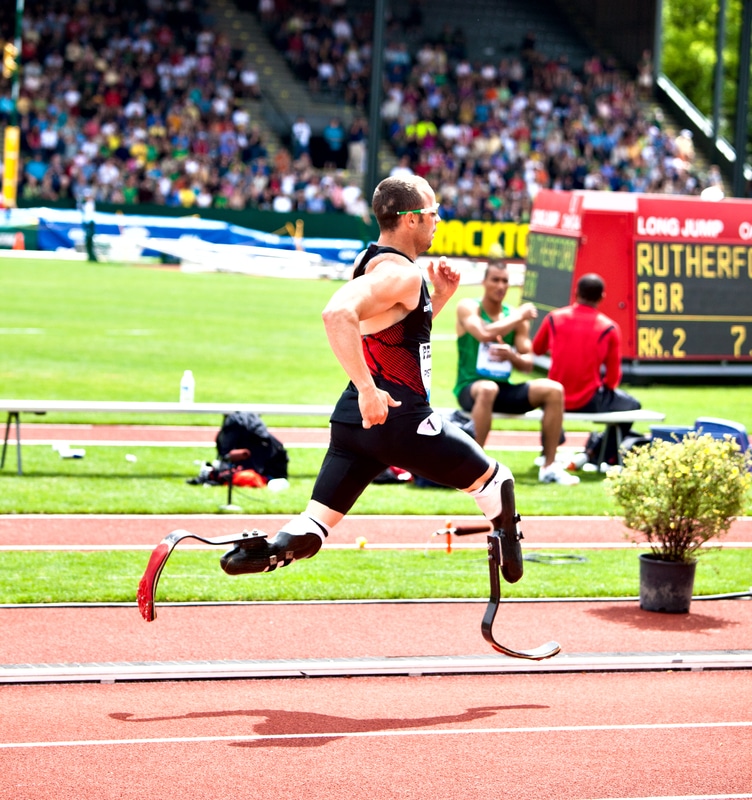
Oscar Pistorius, the South African Paralympic sprinter known as the Blade Runner, shot his girlfriend Reeva Steenkamp four times through a locked bathroom door at his Pretoria home, insisting he believed an intruder was inside. A court accepted the defence and convicted him only of culpable homicide, the South African equivalent of manslaughter.

On 21 October 2014 he was sentenced to a maximum of five years imprisonment, and was released on parole for good behaviour within a year. In December 2015 an appeals court overturned the lesser verdict entirely, finding that Pistorius had in fact committed murder, and sent the case back for a harsher sentence.

Oscar Pistorius. Oscar Leonard Carl Pistorius (born 22 November 1986) is a South African sprint runner. Known as the Blade Runner and the fastest man on no legs, Pistorius, who has a double amputation, is the world record holder in the 100, 200 and 400 metres (sport class T44) events and runs with the aid of Cheetah Flex-Foot carbon fibre transtibial artificial limbs by Ossur. | ID 21041028 © Valentin M Armianu | Dreamstime.com
ID 21041028 © Valentin M Armianu | Dreamstime.com

⬅ See all events from 21 October

Spread the word on your favourite platform!
On This Day in True Crime History

Subscribe to Dark Stories

True crime stories, dark history and tour news, straight to your inbox.