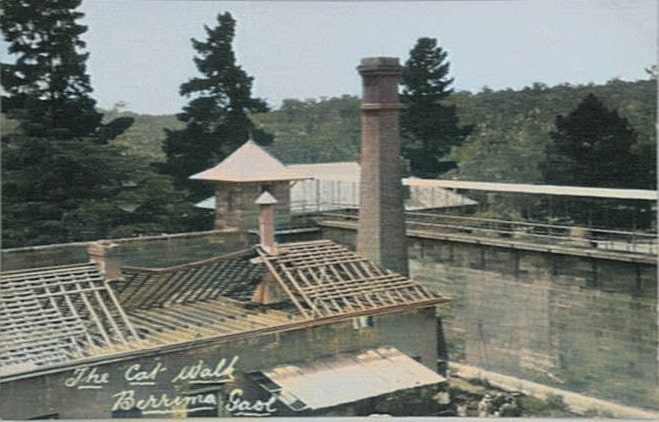
August Tisler worked for market gardener Edward Sangal, and became his employer’s wife’s lover long before Sangal’s body was pulled from the family well outside Melbourne, his throat cut. Tisler’s written confession described how the wife lifted a blind to show him a lit window, the signal that it was safe to come in and kill her husband, and how she then calmly staged the death as a suicide, leaving his slippers by the well so police would believe he had drowned himself.

At trial, Tisler repeated that confession almost word for word, while Selina Sangal denied any part in the plan, insisting she had been paralysed with fear as she heard her husband call her name during the struggle. A jury convicted them both and sentenced them to death, but Selina’s execution was deferred because she was close to giving birth. Tisler alone was hanged at Melbourne Gaol on this day in 1902, the drop breaking his neck instantly.

He showed remorse for the killing itself, telling the sheriff on the scaffold, “Whatever I have done in this world I am prepared to suffer for now.”
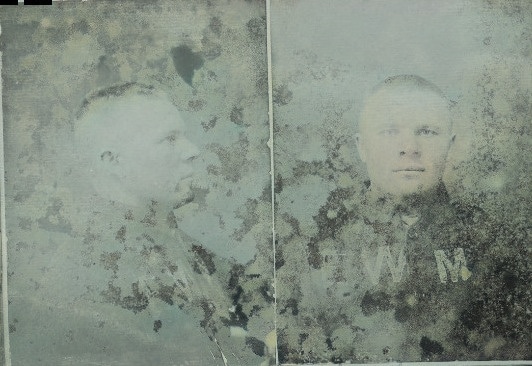

August Tisler: Public Record Office Victoria (PROV), Central Register for Male Prisoners, 29937–30336 (1902–1903), VPRS 515/P0000.

⬅ See all events from 20 October

Spread the word on your favourite platform!

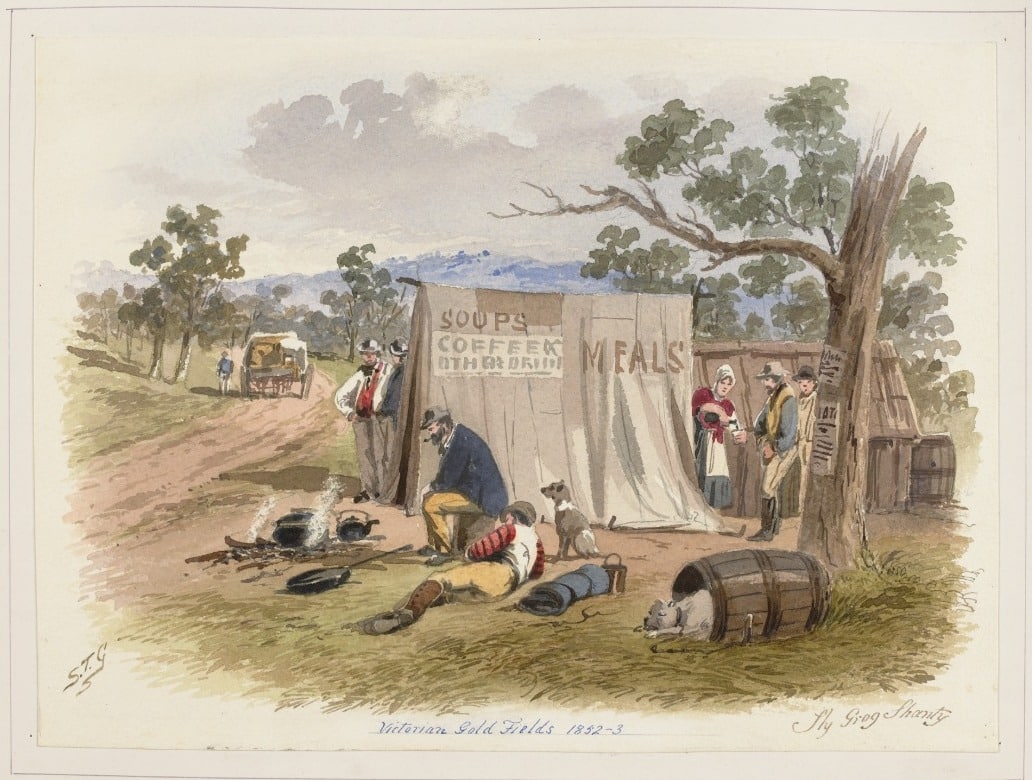
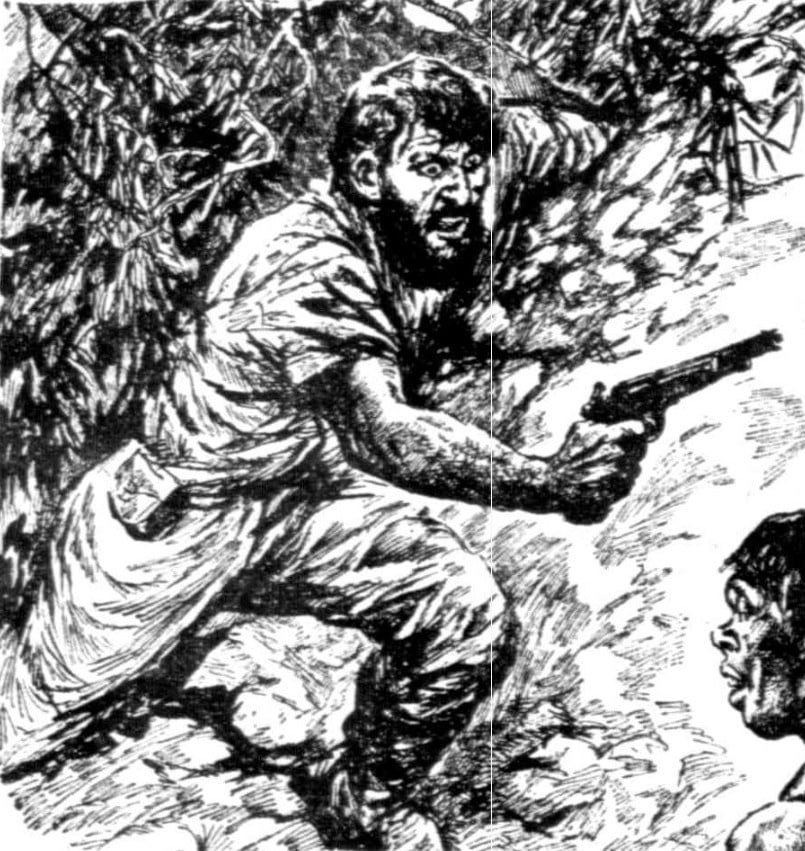
Owen McQueeny was a wandering Irish robber with one sightless eye who spent weeks haunting the proprietress of the Green Tent, a grocery and tavern serving gold diggers on a track near Geelong, Victoria. Elizabeth Lowe, a young widow raising two small children alone, had already told a passing carrier she feared the man and his talk of pistols. That July in 1858, McQueeny shot her dead and vanished with her jewellery.

Travellers soon reported a dead-eyed swagman heading for Geelong loaded with the dead woman’s distinctive earrings, and police closed in fast. Awaiting trial, McQueeny was caught hiding the earrings by swallowing them, retrieving them from the gaol’s waste tub and passing them to a departing cellmate to smuggle out for safekeeping. He was convicted of her murder and hanged at Geelong on 20 October 1858, freely confessing to a string of other robberies while insisting to the last that he had not killed her.

As the death warrant was read to him he only shrugged, “Well, I suppose it can’t be helped,” convinced to the very end that public dislike of hanging would see him reprieved.

Sly grog shanty on Victorian goldfields tavern scene

⬅ See all events from 20 October

Spread the word on your favourite platform!

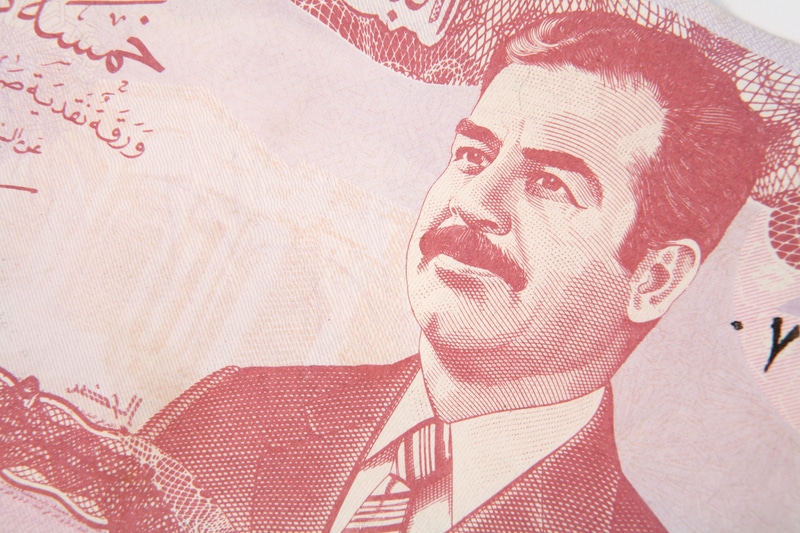
Saddam Hussein, once the fifth president of Iraq, stood in the dock in Baghdad on this day in 2005 alongside seven co-defendants, charged with crimes against humanity before the newly formed Iraqi Special Tribunal. The man who had ruled Iraq for over two decades now faced judgement for the killings of civilians, a reversal few could have imagined just years earlier when he commanded absolute power.

The trial dragged on through outbursts, walkouts and the assassination of defence lawyers before Hussein was convicted. He was executed by hanging just over a year later, on 30 December 2006.

Baathist era 5 dinar Iraqi banknote with Saddam Hussein

⬅ See all events from 19 October

Spread the word on your favourite platform!

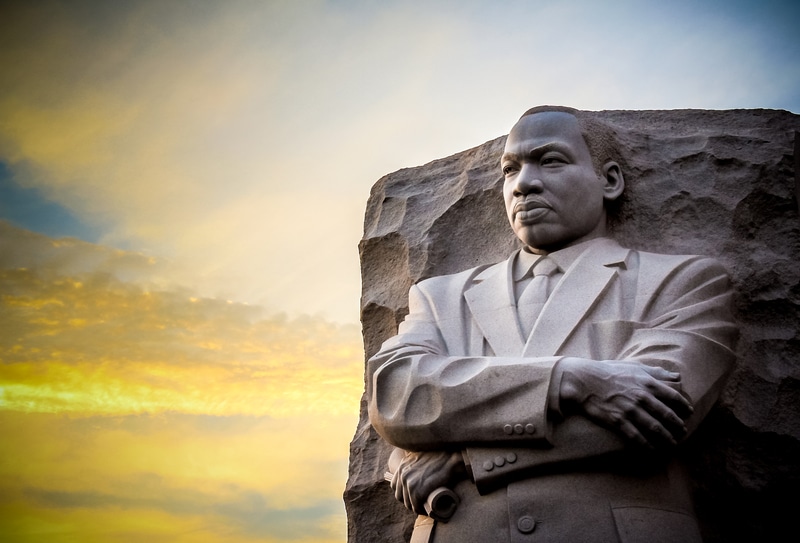
Martin Luther King Jr. was arrested on this day in 1960 alongside dozens of students and local activists after refusing to leave his seat at a segregated department store lunch counter in Atlanta. The protest was part of a sit-in movement that had spread across the South since four students staged the first one at a Woolworth’s in Greensboro, North Carolina, earlier that year.

Most of the group had their charges dismissed, but King alone was held over a probation violation tied to an earlier case and sentenced to months of hard labour. The arrest drew national attention when presidential candidate John F. Kennedy personally intervened to help secure his release, a move credited with swinging crucial Black support behind Kennedy weeks before he won the presidency.

Martin Luther King Jr Memorial. The statue memorial for Martin Luther King Jr. in West Potomac Park, Washington D. C.. | ID 36894618 © Atomazul | Dreamstime.com
ID 36894618 © Atomazul | Dreamstime.com

⬅ See all events from 19 October

Spread the word on your favourite platform!
On This Day in True Crime History

Subscribe to Dark Stories

True crime stories, dark history and tour news, straight to your inbox.