Archives: Dark Stories: On This Day In True Crime History - Page 27
Ian Brady insisted that his lover, Myra Hindley, had nothing to do with the killing. But detectives found a handwritten account in her car describing their plan to murder a teenager: a plan they had already carried out.
Further searches uncovered photographs and a tape recording documenting another victim’s ordeal. On the recording, detectives heard not only the pleas for mercy, but the voices of Brady and Hindley themselves.
Eight-year-old Graeme Thorne was snatched walking to school in Sydney in 1960, just a day after his family’s lottery win made headlines. Six weeks later his body was found wrapped in a tartan picnic blanket on vacant land at Seaforth, still in his school uniform, gagged and bound with string.
Forensic scientists traced the blanket to one of only 3,000 ever woven at an Onkaparinga mill, then matched rare tree pollen and pink mortar scraped from the body to a single property at Clontarf, once home to a blue Ford, a Pekingese dog and a blonde-haired wife. By the time police reached the house, its occupant, Hungarian migrant Stephen Bradley, had already sailed for London with his family aboard the SS Himalaya. Two Sydney detectives were waiting for him when the ship docked at Colombo, and he was brought back to face extradition and trial.
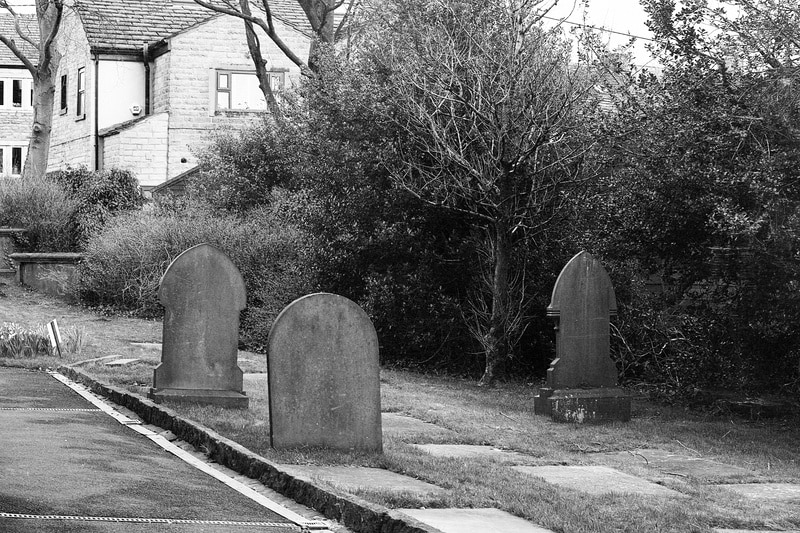
After three days searching the moorland above Manchester, police uncovered the first grave. The discovery confirmed what detectives had feared since finding a body at Ian Brady and Myra Hindley’s home: there were more victims.
Eleven days later, searchers found a second grave. Another victim was never found. His mother spent the rest of her life searching for answers and returning to the moor, hoping to bring her son home.
William Henry Scott, a butcher working in Sydney, was arrested on 10 October 1866 after police traced a bloodstained axe and a scrap of twilled calico he had left in storage with his former landlady, Mrs Janet Orr. The cloth matched a fragment found wrapped around the charred, headless remains of a woman dug up weeks earlier on waste ground off Sussex Street.
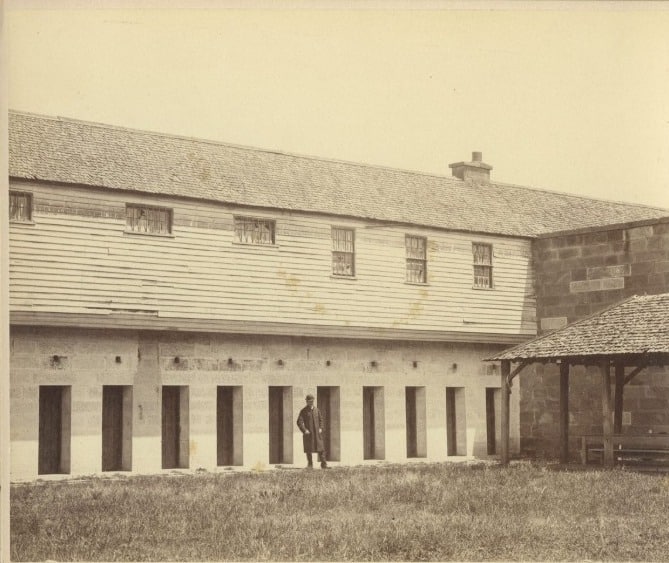
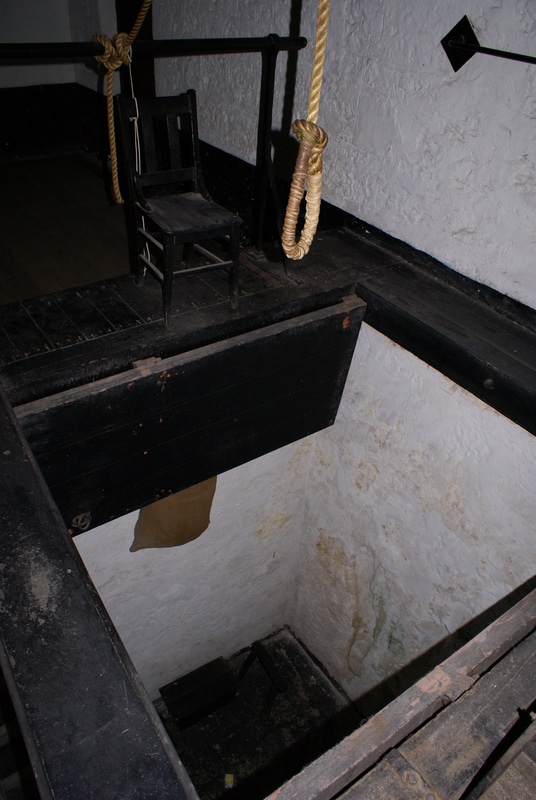
The breakthrough led detectives to Scott’s former workmates, who recalled his offhand confession in the days after the killing: that he had “done away with the Kangaroo”, their nickname for the woman who used to wait outside the shop for him each evening. Tried and convicted despite his furious denials, Scott was hanged at Darlinghurst Gaol in March 1867.
On the scaffold he still insisted, “I’ve never murdered man, woman or child in my life”, before forgiving the witnesses he blamed for his conviction.
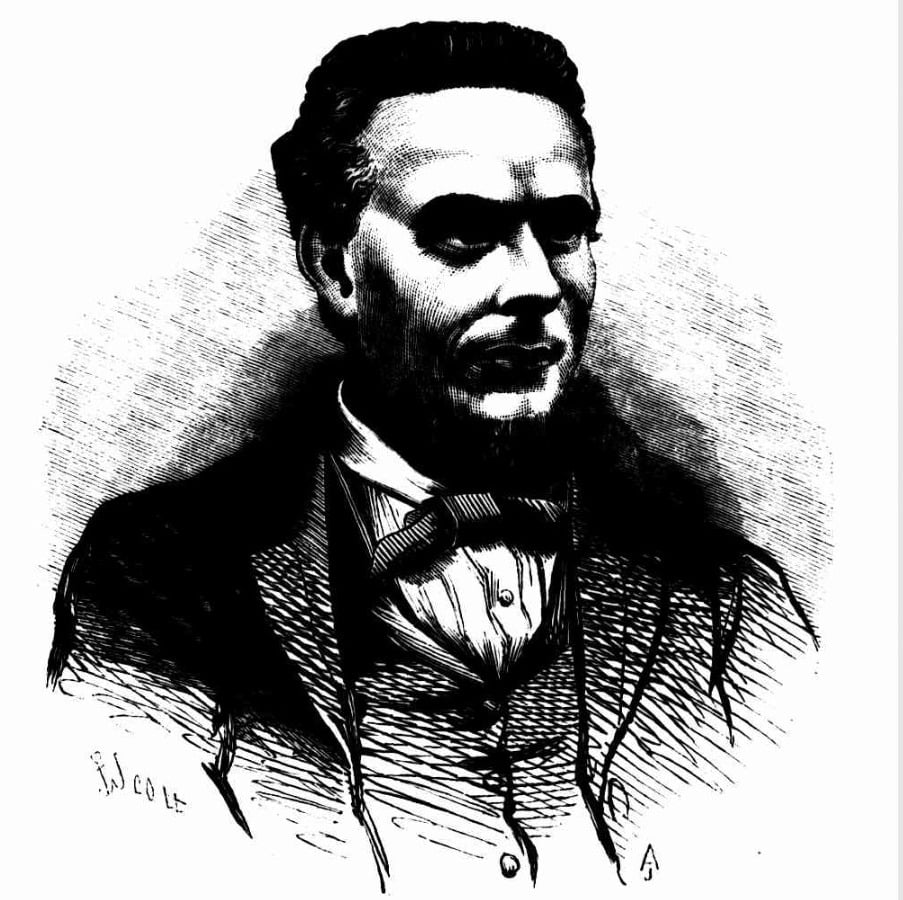
William Henry Scott under sentence of death 1867 for murder most foul