Hugh Dowling and his accomplices broke into William Styles’s house near the Nepean River in 1808, beat a sleeping servant unconscious, bound Styles’s wife as she nursed an infant, and ransacked the home at gunpoint. When Styles’s wife protested handing over her husband’s watch, Dowling reportedly replied, “I ask your pardon madam,” before taking a pipe instead and settling in to smoke tobacco with his companions before leaving.

He wore a crude crape mask, but it slipped while he examined stolen banknotes by candlelight, and Styles’s wife later swore in court that she had seen his bare face clearly enough to identify him without doubt. Convicted despite an alibi the court found riddled with contradictions, Dowling was sentenced to death and hanged the following Thursday.

Dowling maintained his innocence through trial, but the alibi he offered collapsed under questioning and was judged a fabrication by the court.

Antique pocket watch resting on old books.

⬅ See all events from 28 September

Spread the word on your favourite platform!

John Hazeldine went by the name Kangaroo Jack, and he liked to remind men what his evidence could do: he claimed it had hanged one man in England and transported two others. So when he and a young absconded convict named Parker were caught butchering a stolen bullock in the bush near Bathurst in 1828, Parker knew exactly what Hazeldine intended to do next. That evening, as Hazeldine knelt blowing a campfire alight, Parker struck him with a tomahawk.

The case against him rested almost entirely on a confession he was said to have made to two fellow convicts, men a settler who watched the trial branded liars who “contradicted each other in all other things” and may have been the real killers. It was enough. Parker, about 19, was hanged behind the gaol at Sydney on 28 September 1829, still hoping until the last for a reprieve.

He denied the murder almost to the moment the rope was placed around his neck, then confessed his guilt as the drop was prepared.

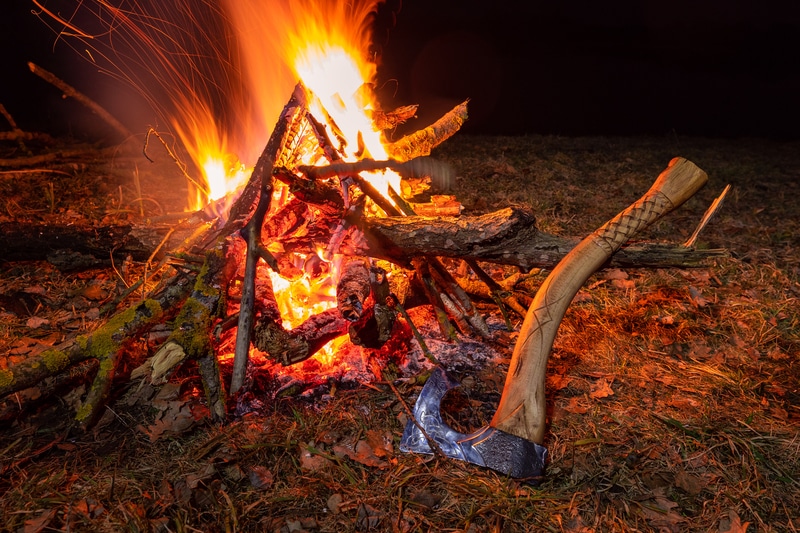
Campfire with hand-forged axe at night.

⬅ See all events from 28 September

Spread the word on your favourite platform!

Daniel Grier and Charles Penson were hanged at Sydney in 1829 for nothing more than burglary: stealing from a dwelling house goods valued at just over five pounds, a sum that under the law of the day was enough to turn a break-in into a hanging offence.

They died on the same gallows as a young murderer, though their own execution became its own grim spectacle. As the drop fell, the rope twisted at the nape of Grier’s neck and his limbs quivered horribly for several minutes, while Penson spun briefly and died with barely a struggle. Before the ropes were adjusted, all three men on the scaffold had joined in singing a hymn together.

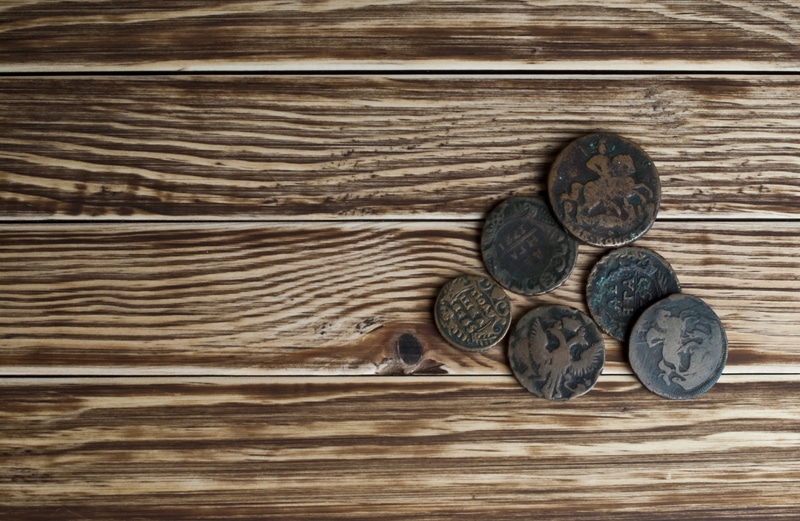
Old coins.
Old coins.

⬅ See all events from 28 September

Spread the word on your favourite platform!

At about one o’clock on the morning of 27 September 1869, Sheriff “Wild Bill” Hickok and his deputy responded to a disturbance at John Bitter’s Beer Saloon in Hays City, Kansas. A cowboy named Samuel Strawhun and several drunken companions were reportedly damaging the saloon. During the confrontation, Strawhun made remarks against Hickok, who shot him through the head, killing him.

Hickok maintained that he had been trying to restore order. Despite conflicting witness accounts, a jury at the coroner’s inquest ruled the shooting justifiable. Strawhun was the second man Hickok had killed during his first month as sheriff.

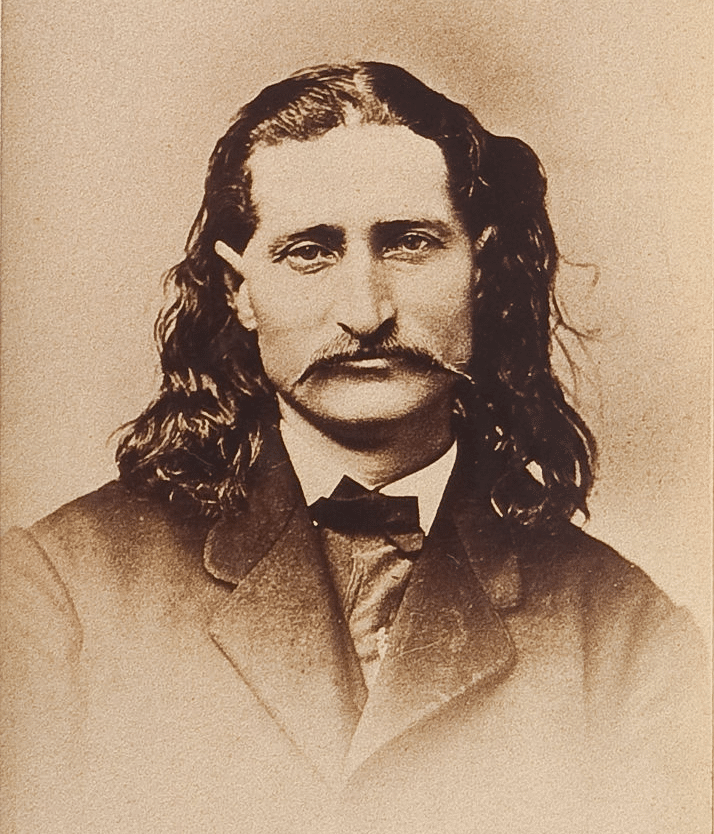
Sepia portrait of Wild Bill Hickok

⬅ See all events from 27 September

Spread the word on your favourite platform!
On This Day in True Crime History

Subscribe to Dark Stories

True crime stories, dark history and tour news, straight to your inbox.