Archives: Dark Stories: On This Day In True Crime History - Page 24
Winnie Ruth Judd earned the tabloid name the Trunk Murderess after she shot two friends in Phoenix, Arizona, then packed their bodies into steamer trunks and shipped them by rail to Los Angeles in 1931. When the trunks began to leak, she walked into a Los Angeles police station and gave herself up.
Convicted of murder in 1932, she was declared insane and spent much of the next four decades confined to an Arizona mental institution, escaping it several times before finally being paroled in 1971. She died in Phoenix on this day in 1998, aged 93, exactly 67 years to the day after she had first surrendered to police.
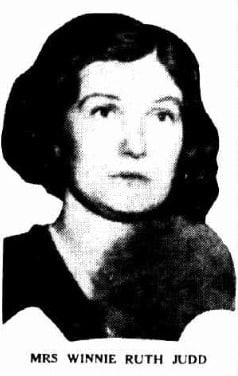
Portrait of Winnie Ruth Judd convicted of murdering two nurses 1932
Winnie Ruth Judd, a medical secretary in Phoenix, shot her two friends Anne LeRoi and Hedvig Samuelson after a jealous falling out in October 1931, then packed their bodies, one dismembered, into trunks and shipped them to Los Angeles by train. A foul smell leaking from the luggage tipped off a baggage handler, and police forced the locks to find the corpses inside.
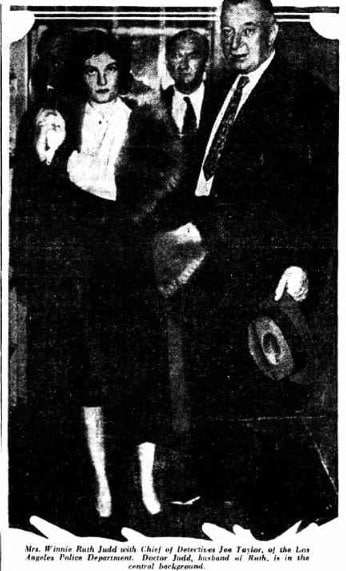
Judd vanished into Los Angeles for days before she surrendered to police at a funeral home on this day in 1931. By then her fate had already been sealed by a scrawled confession letter, torn up and flushed, that a department store cleaner fished from a ladies room wash basin. Police pieced the scraps together from the plumbing and reconstructed her own words: “It was as much a battle as Germany and the U.S. I killed in defence.” The press, already calling her the Trunk Murderess, seized on a new name: the Tiger Woman.
Winnie Ruth Judd the Velvet Tigress Arizona trunk murder case 1933
George Blantern asked the young domestic servant Flora Macdonald to marry him. When she refused, he crept into her room at Marlborough Station near Rockhampton on 7 May 1893 and struck her repeatedly with an axe as she slept, then set her bed alight in a failed attempt to hide the crime. Within hours he confessed to the arresting constable: “I killed her. I don’t know what possessed me to do it. I must not have been in my right senses when I did.”
Convicted of murder, Blantern read a lengthy statement to the court blaming drink, jealousy and an old head injury for his “awful crime” before sentence was passed. He was hanged in Brisbane on this day in 1893, walking to the gallows steadily and showing no emotion until the cap was placed over his head.
He went to his death expressing penitence, ending his final words with “Into Thy hands I commend my spirit.”
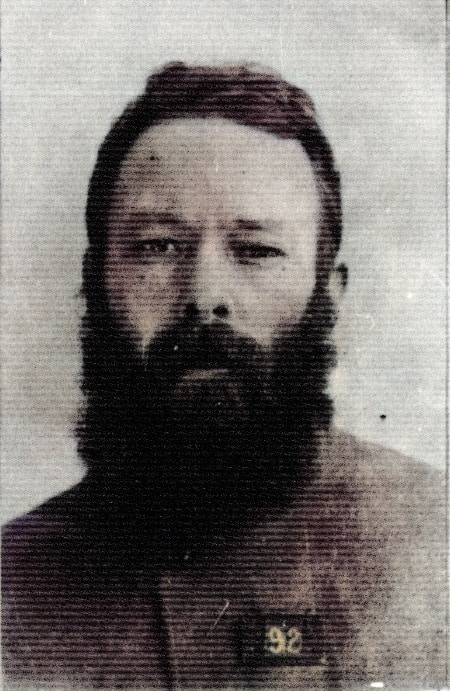
George Blantern: Queensland State Archives, Item ID ITM2947
Carl Denaro and Rosemary Keenan were sitting in a parked car near Bowne Park in Flushing, Queens, on this day in 1976 when the windows suddenly exploded around them. Denaro was bleeding from a bullet wound to the head, Keenan was only cut by flying glass, and in her panic she sped off for help without either of them realising anyone had actually fired at them.
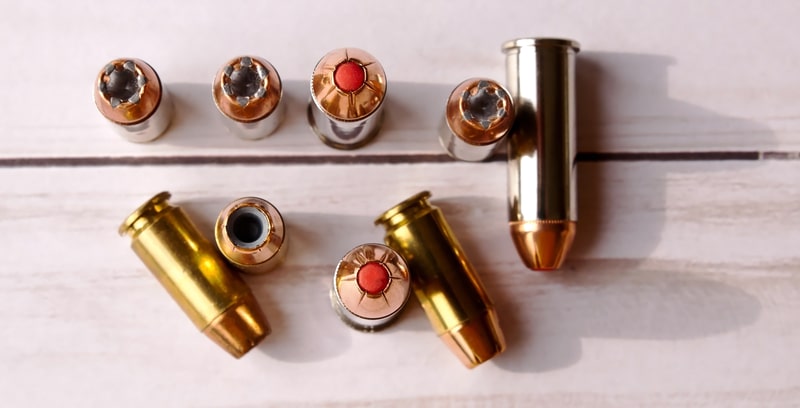
Police dug .44 calibre bullets out of the wrecked car, the same calibre already blamed for a string of near-identical attacks on young couples across New York, but the slugs were so deformed detectives doubted they could ever be traced to one weapon. The press had already given the unknown gunman a name before anyone had heard of “Son of Sam”: the .44 Calibre Killer. Because Denaro wore his hair shoulder length, investigators later decided he had simply been mistaken for a woman.
Jurisdiction kept the dots unjoined for months: this shooting sat with one Queens precinct, a near-identical attack on another couple three months earlier in the Bronx sat with another, and the bullets went unmatched until more victims fell. David Berkowitz was arrested the following year and later confessed to shooting Denaro and Keenan himself.