1861: Two Men Executed in the Wrong Place? A Widower Demands Answers

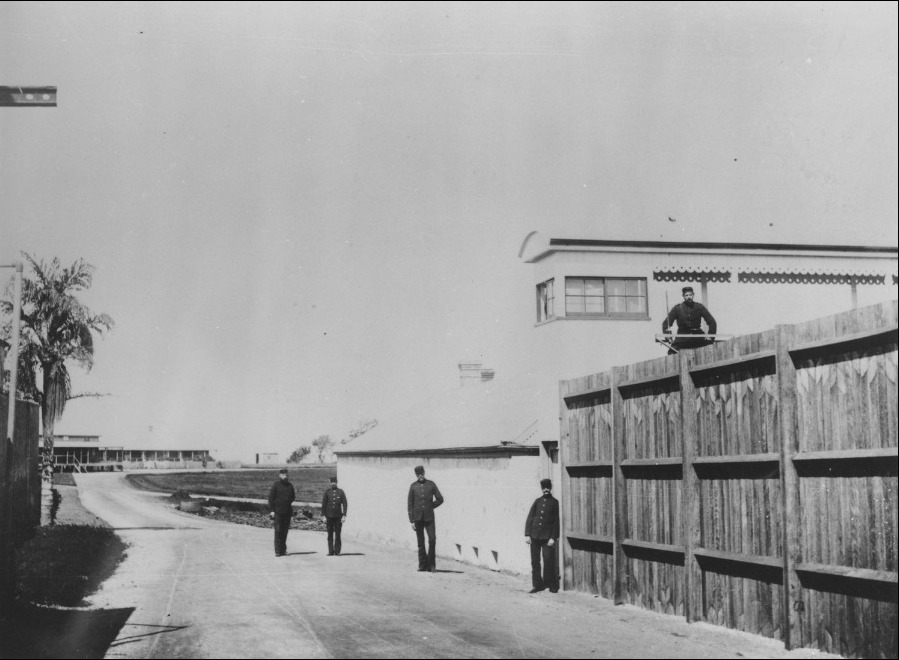
Two men were convicted of killing Margaret Ann Impett at Mount Wedge station in South Australia. Rather than being executed at the remote spot where the crime occurred, they were hanged at the Chiriroo police station near Venus Bay on Saturday, 14 September 1861, in front of a large gathering, where both men admitted their guilt.

Authorities had decided against transporting the condemned men the 20 to 30 miles to the actual murder site, citing a lack of available conveyance, a decision that left the execution taking place far from where Margaret Impett had died.

Her husband later wrote a furious public letter demanding to know why the men had not been executed on the spot, as he understood a recently passed law required. He branded the failure to enforce it a farce, asking who had dared to disregard the law of the land.


Sunset over Venus Bay, South Australia

⬅ See all events from 14 September

Spread the word on your favourite platform!
True Crime Scene Tape

1828: The Tunnel Under Sydney: Australia’s First Great Bank Robbery

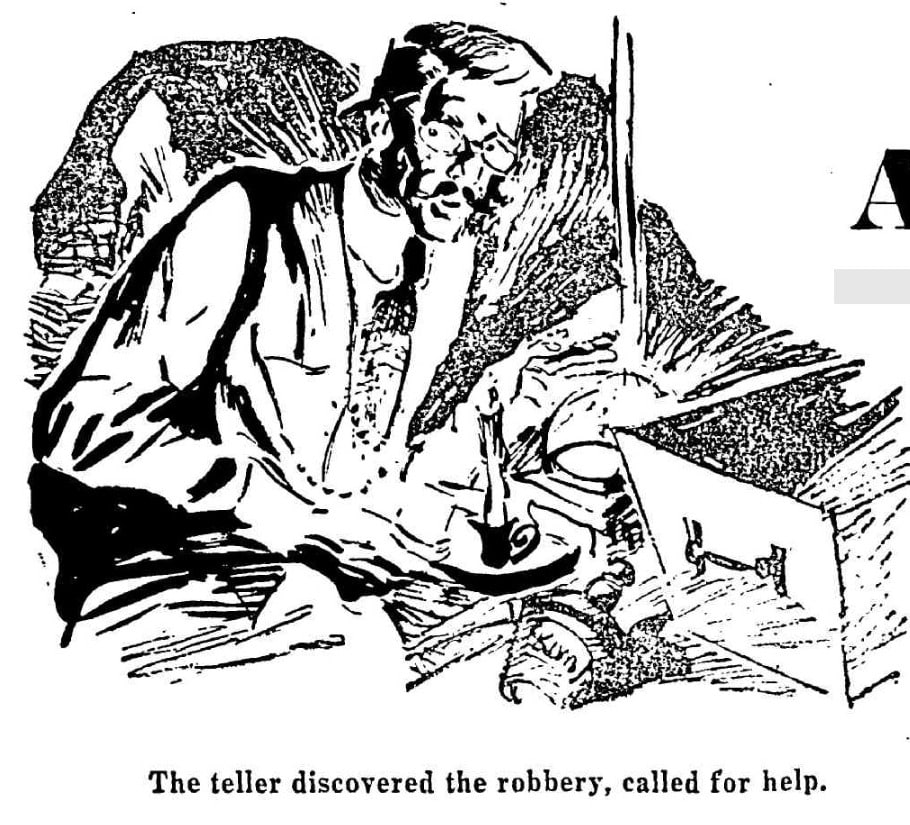
On the night of 14 September 1828, thieves broke into the Bank of Australia in Sydney. A teller arriving the next morning found the strongroom breached.

Thieves had tunnelled through a drain on the opposite side of the street, burrowed underground, and cut through a foundation wall between five and nine feet thick, work that would have taken at least three to four weeks to complete. They made off with 12,000 to 14,000 pounds in cash and property, a sum worth a small fortune today.

For two and a half years the robbers evaded capture, even as some of the stolen notes began surfacing in circulation and officials issued repeated warnings against using them. The case only broke when one of the gang was sentenced to 14 years on Norfolk Island for an unrelated highway robbery in 1829. Nearly a year into that sentence, he accepted the Governor’s offer of a pardon and confessed, naming his accomplices: one of whom had fled to Ireland, another who had since died, and three more who joined him on Norfolk Island.

Not all the stolen money was recovered. Rumour has long held that boxes of coins from the robbery remain buried near the water’s edge on Sydney’s North Shore.

Discovering the robbery.

⬅ See all events from 14 September

Spread the word on your favourite platform!
True Crime Scene Tape

1982: A Dingo Did Take the Baby: The Second Inquest Into Azaria Chamberlain’s Disappearance Begins

Nine week old Azaria Chamberlain vanished from her family’s tent at a campsite near Ayers Rock on the night of 17 August 1980. Her mother, Lindy Chamberlain, said she had seen a dingo leaving the tent, and the baby’s blood stained jumpsuit was found nearby days later, but her body was never recovered. A first inquest in 1981 accepted the dingo account and found no evidence of foul play.

That finding was overturned on appeal, and a second inquest opened on 13 September 1982, reopening a case that had already divided the country. This inquest went the other way, committing Lindy Chamberlain for trial on a charge of murder, a reversal that would send her to prison and make her one of the most publicly vilified women in Australian history.

Lindy Chamberlain was convicted later that year and sentenced to life imprisonment, but the case unravelled in 1986 when a piece of Azaria’s matinee jacket was found near a dingo lair, corroborating the original account. She was released and eventually exonerated, and a fourth inquest in 2012 formally confirmed that a dingo had taken and killed the child.

Australian dingo standing in bushland setting

⬅ See all events from 13 September

Spread the word on your favourite platform!
True Crime Scene Tape

1826: A Colonial Newspaper Pleaded for Mercy: Two Men Hanged at Hobart for the Murder of a Stock-Keeper

Thomas Colley, a stock-keeper at Oyster Bay in Van Diemen’s Land, was speared to death in 1826. Contemporary reports said the elder of the two Aboriginal men accused had concealed himself behind a fence, waited for his opportunity, then speared Colley. Both men were also charged in connection with the wounding of Colley’s employer.

Before trial, the elder man was reported to be suffering from leprosy and was kept apart from the other prisoners. During the hearing, he reportedly attempted to show that he did not understand English, although evidence was given that he spoke the language with reasonable ease.

Both men were convicted. At sentencing, one denied killing Colley and said the other man had thrown the spear, while his co-accused made no statement. Sentence of death was passed on 2 September 1826, and both men were hanged at Hobart on 13 September.

A contemporary newspaper questioned whether Aboriginal Tasmanians, with little or no knowledge of British law or Britain’s claim to their land, should be subjected to a legal system imposed by colonists. It also argued that the executions would have little deterrent effect, since other Aboriginal people were unlikely to witness them or even hear of them, and appealed for the condemned men’s lives to be spared.

Antique silver pocket watch resting on a vintage newspaper

⬅ See all events from 13 September

Spread the word on your favourite platform!
True Crime Scene Tape
On This Day in True Crime History

Subscribe to Dark Stories

True crime stories, dark history and tour news, straight to your inbox.