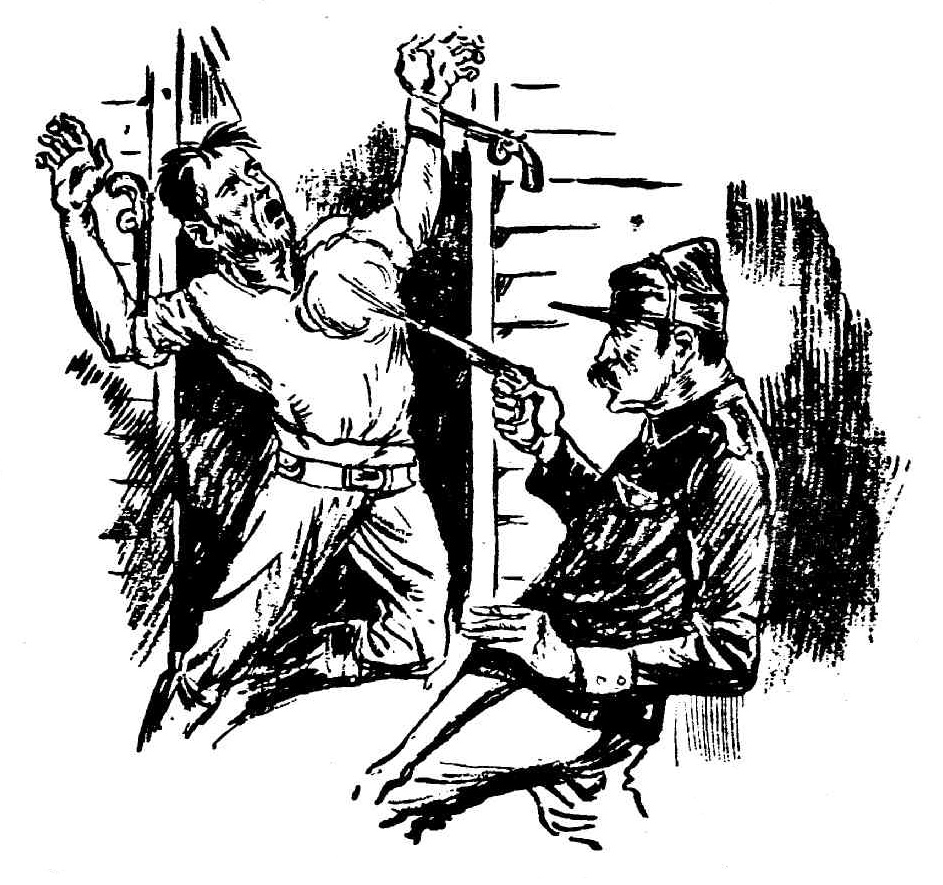
1868: John Hogan Hanged at Castlemaine for the Murder of His Tent-Mate at Bullock Creek

John Hogan, a 55-year-old man with a criminal past, met Martin Rooney at Duke’s Flat, Bullock Creek, and the two shared a tent. Rooney had recently arrived from New Zealand carrying deposit receipts worth around 200 pounds. While Rooney slept, Hogan beat him to death with a stonebreaker’s hammer and a tomahawk, fracturing his skull in several places. One of the receipts and Rooney’s purse were found on Hogan when he was arrested.

At the inquest, around 400 miners gathered outside and had to be warned against lynching by the coroner. Evidence placed Hogan selling his watch for tucker money just hours after the killing, while telling a storekeeper he had a mate with plenty of money he intended to rob. Hogan was tried, convicted, and hanged at Castlemaine on 14 August 1868.
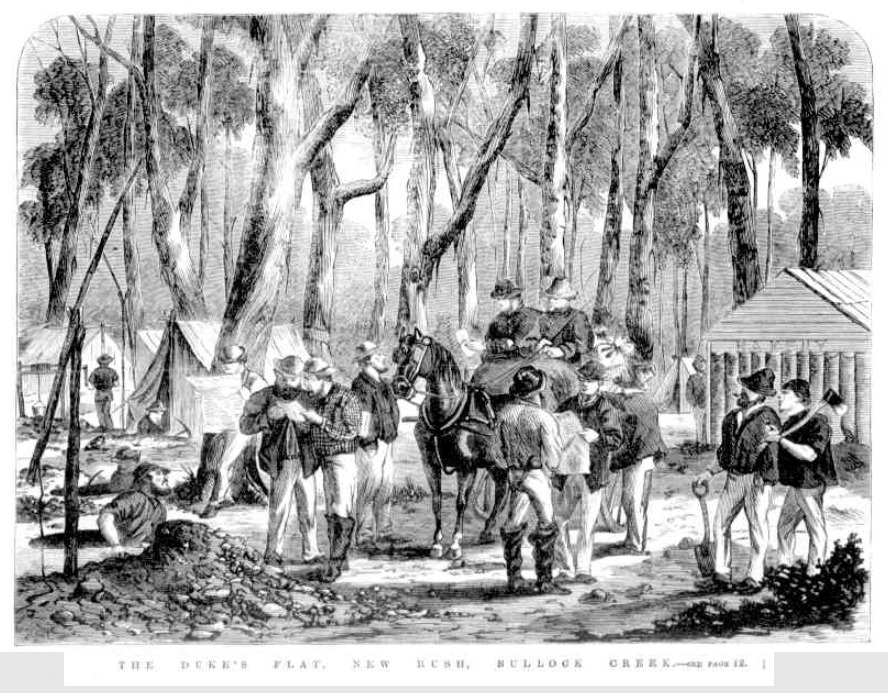

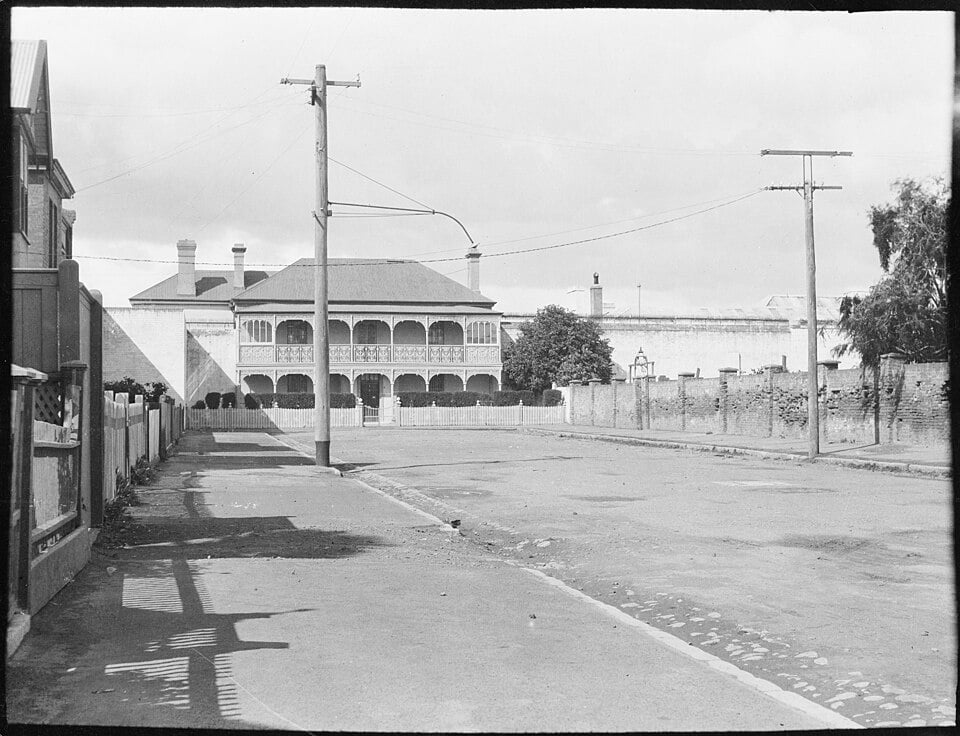
Bullock Creek goldfields murder newspaper article image

⬅ See all events from 14 August

Spread the word on your favourite platform!

1751: The Poisoning of Francis Blandy by His Own Daughter

Francis Blandy, a lawyer and town clerk of Henley-on-Thames, died in August 1751 after his daughter Mary repeatedly dosed his food with arsenic. The powder had been supplied by her lover, Captain William Henry Cranstoun, a Scottish officer who was already secretly married. Cranstoun told Mary the powder would make her father more accepting of their betrothal. His death became one of the earliest criminal cases to feature scientific toxicological evidence.

Mary was arrested after servants and relatives raised suspicions. Tried at Oxford in February 1752, she was convicted of murder and hanged on 6 April 1752, protesting her innocence to the end. Cranstoun escaped justice in court but died of illness in December 1752.

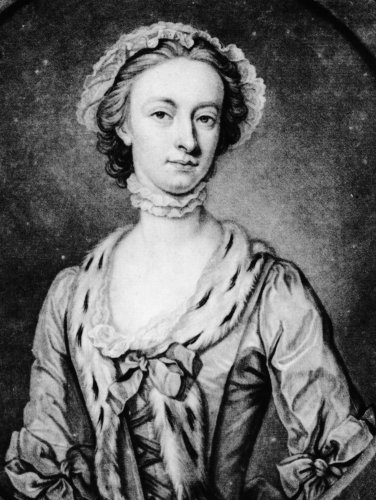
Engraved portrait of Mary Blandy in period dress

⬅ See all events from 14 August

Spread the word on your favourite platform!

1964: The Last Two Men Hanged in Britain, Executed Simultaneously 50 Kilometres Apart

At 8:00 a.m. on 13 August 1964, two gallows traps opened in unison across England. Peter Anthony Allen dropped at Walton Prison in Liverpool; Gwynne Owen Evans dropped at Strangeways Prison in Manchester. Both had been convicted of the capital murder of John Alan West, a 53-year-old laundry van driver from Workington, Cumbria, stabbed and beaten to death during a robbery at his home in the early hours of 7 April 1964.

Police traced the men within 48 hours through a medallion left at the scene, inscribed with Evans’ name. Tried together at Manchester Crown Court in June 1964, the jury found both equally guilty of capital murder committed in the course of theft. The judge, executioners Harry Allen and Robert Leslie Stewart, and the clock itself were all synchronised. When the traps fell, Britain’s era of capital punishment fell with them. No one has been executed in the United Kingdom since.

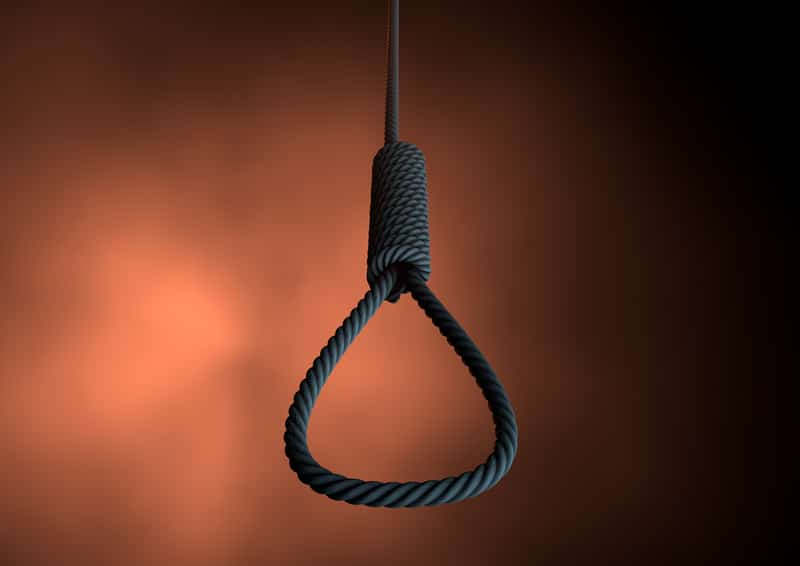
Silhouetted hangmans noose rope on orange backlit background

⬅ See all events from 13 August

Spread the word on your favourite platform!

1900: The Last Escape of Moondyne Joe, Western Australia's Most Famous Bushranger

Joseph Bolitho Johns, born in Wales around 1826 and transported to Fremantle in 1853 as convict 1790, became the most celebrated escape artist in Western Australian history. Known as Moondyne Joe, the Cornish-Welsh convict turned bushranger broke out of custody so many times that his repeated escapes became legend.

He made his final escape on 13 August 1900, dying at the Fremantle Lunatic Asylum after years of confinement and declining health. He was buried two days later in a pauper’s grave at Fremantle Cemetery.

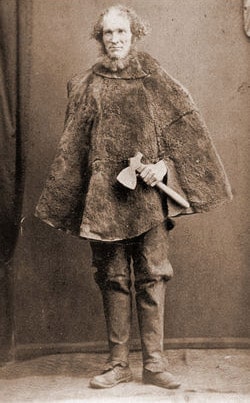
moondyne joe

⬅ See all events from 13 August

Spread the word on your favourite platform!
On This Day in True Crime History

Subscribe to Dark Stories

True crime stories, dark history and tour news, straight to your inbox.