1893: Baby Farmer John Makin Hanged at Darlinghurst Gaol

John Makin and his wife Sarah were convicted of murdering infants left in their care in one of the most notorious baby farming cases in the history of Sydney. The couple had accepted children for informal adoption and killed them for profit, burying the small bodies around their properties.

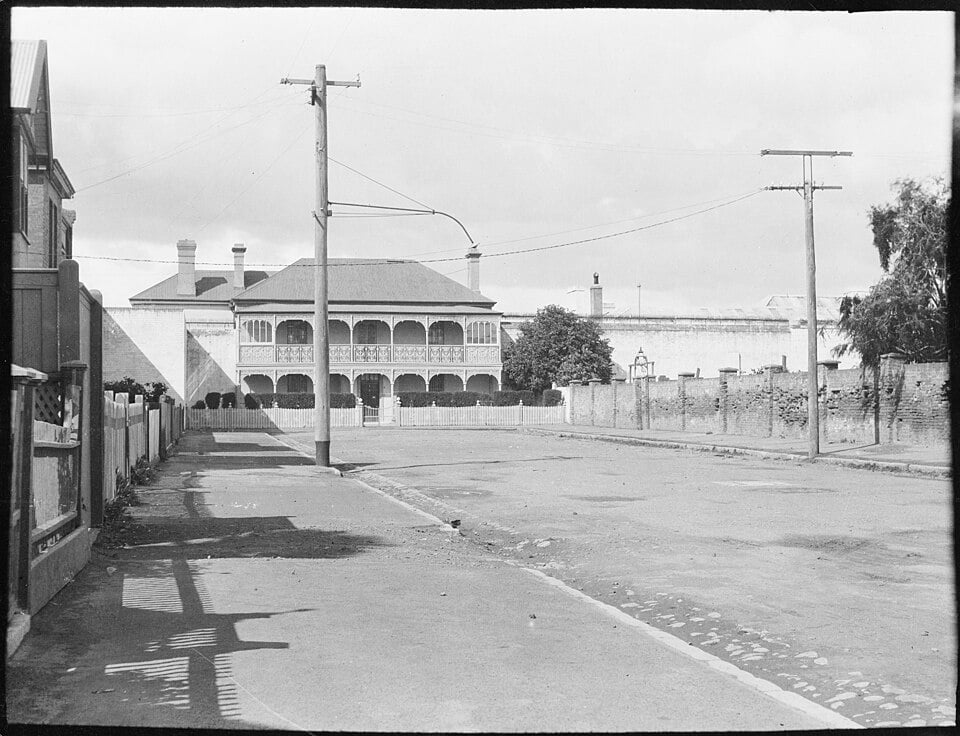
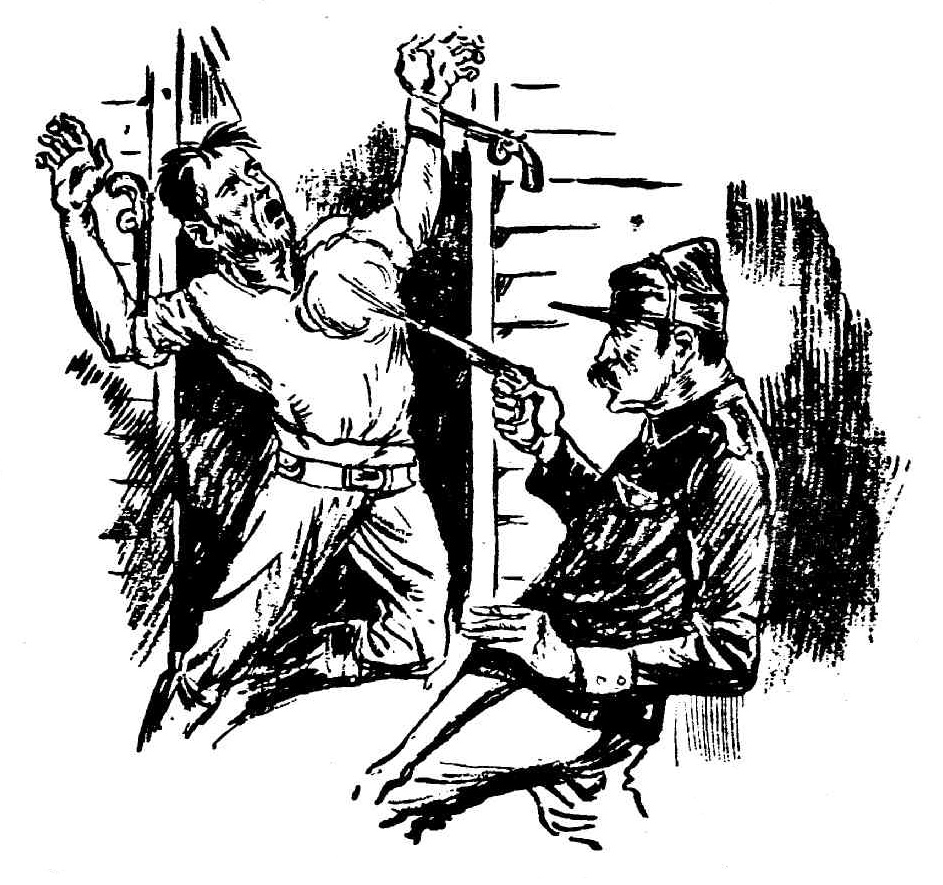
Makin was hanged at Darlinghurst Gaol on 15 August 1893, precisely at 9 o’clock. When asked if he had anything to say on the scaffold, Makin simply muttered ‘No.’ Hangman Howard adjusted the noose with care, the lever was pulled, and death was instantaneous.

The night before his execution, Makin wrote a statement he claimed related to the child Amber Murray, for whose death he had been convicted. The statement maintained he had been convicted for the wrong child entirely.
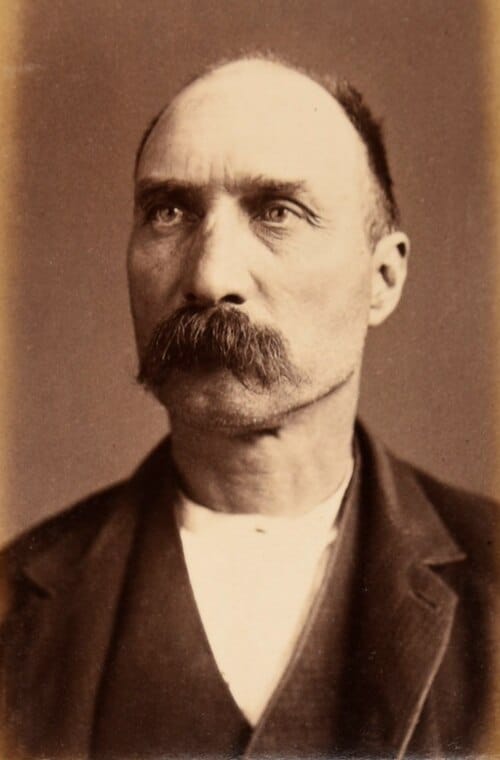

John Makin hanged 15 Aug 1893

⬅ See all events from 15 August

Spread the word on your favourite platform!

1870: Andrew Vair Hanged at Ararat for the Ambush Murder of Amos Cheale

Amos Cheale, a mining manager formerly of Maldon and later overseeing the Silver Mines Company at St Arnaud, was ambushed and shot in the scrub near the mine in broad daylight. His killer, Andrew Vair (also reported as Vere), a Scottish miner aged around 34, had harboured a grudge rooted in a dispute over mining shares at the Friburg reef, which Vair himself had discovered. He stepped out of the scrub, levelled a double-barrelled pistol at Cheale, and fired both barrels at close range. Cheale died shortly after.

Vair fled into the scrub and was hunted across the colony before his arrest. He was tried, convicted, and hanged at Ararat. Before his execution, he wrote a final letter to his mother and a poem:-

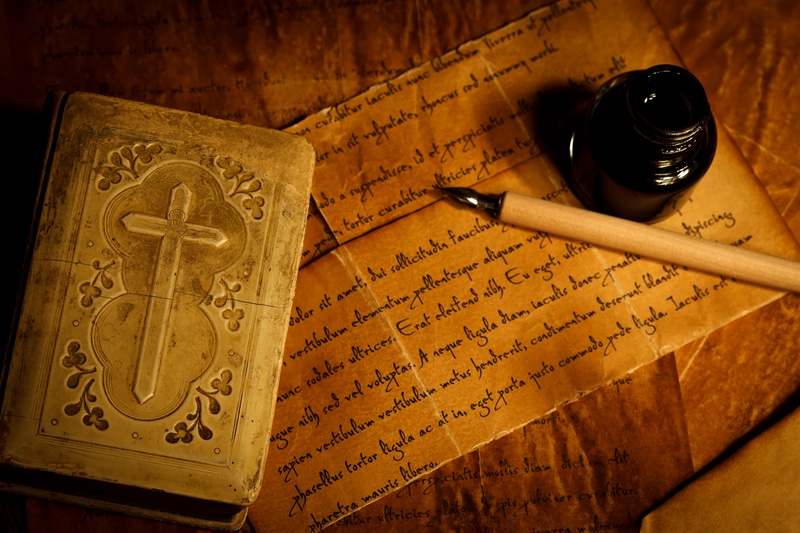
Not in my innocence I trust, I bow before Thee in the dust, And through my Saviour’s blood alone, I look for mercy at Thy throne. What is life? ’tis all a vapor, Soon it vanishes away; Life is like a dying taper – Oh, my soul, why wish to stay? Why not spread thy wings and fly Straight to yonder world of joy? I come, I come, at Thy command, I give my spirit to Thy hand. Stretch forth Thine everlasting arms, And shield me in the last alarms. The hour of my departure’s come – I hear the voice that calls me home. Now, O my God, let trouble cease. Now let Thy servant die in peace.

Old prayer book with ink pen and letter on desk

⬅ See all events from 15 August

Spread the word on your favourite platform!

1868: John Hogan Hanged at Castlemaine for the Murder of His Tent-Mate at Bullock Creek

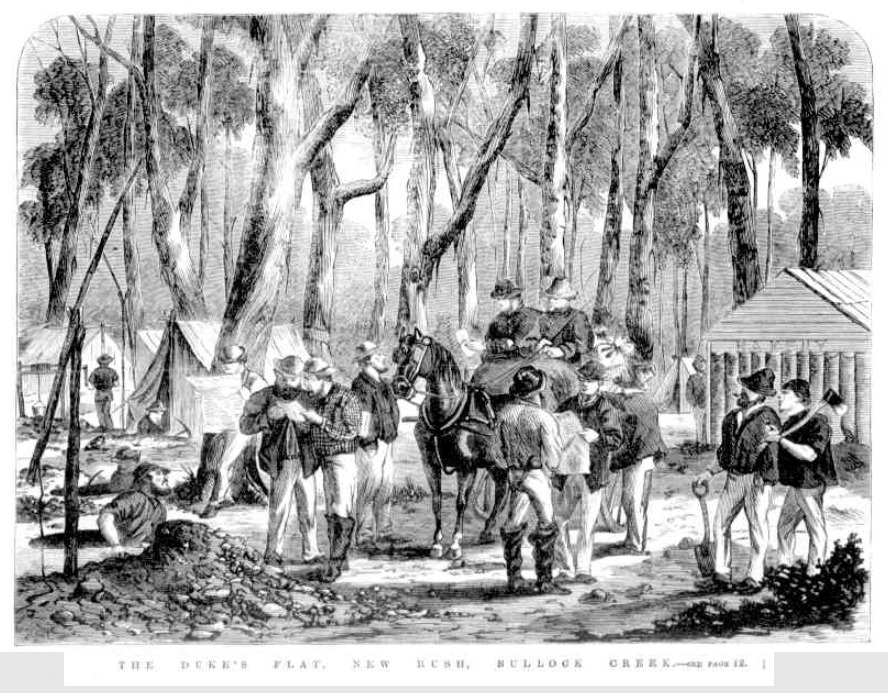
John Hogan, a 55-year-old man with a criminal past, met Martin Rooney at Duke’s Flat, Bullock Creek, and the two shared a tent. Rooney had recently arrived from New Zealand carrying deposit receipts worth around 200 pounds. While Rooney slept, Hogan beat him to death with a stonebreaker’s hammer and a tomahawk, fracturing his skull in several places. One of the receipts and Rooney’s purse were found on Hogan when he was arrested.

At the inquest, around 400 miners gathered outside and had to be warned against lynching by the coroner. Evidence placed Hogan selling his watch for tucker money just hours after the killing, while telling a storekeeper he had a mate with plenty of money he intended to rob. Hogan was tried, convicted, and hanged at Castlemaine on 14 August 1868.

Bullock Creek goldfields murder newspaper article image

⬅ See all events from 14 August

Spread the word on your favourite platform!

1907: Baby Farmer Rhoda Willis Hanged on Her Birthday at Cardiff Prison

Rhoda Willis, also known as Leslie James, was a baby farmer convicted of murdering the illegitimate infant of Maud Treasure. She had undertaken to adopt and raise the child for six pounds, but the infant was found suffocated, wrapped in a parcel, in her bed at a Cardiff lodging house. Willis was sentenced to death at Glamorgan Assizes and executed by hanging at Cardiff Prison on 14 August 1907, carried out by brothers Henry and Thomas Pierrepoint. She was the only woman hanged in Wales in the 20th century and the last baby farmer to be executed in Britain.

Born in Sunderland in 1867, Willis was 40 years old on the day of her death. She had received a first-class education, spoke several languages, and had lived in Cardiff for years following the death of her husband. The night before her execution, she confessed to her solicitor that she had wilfully killed the baby on the train. She met her fate, according to witnesses, calmly and without incident.

In a letter written shortly before her execution, Willis expressed deep remorse, wrote that she had never before appreciated the singing of the birds or the beauty of sunshine as much as in her final days, and expressed confidence that God would pardon her sins.

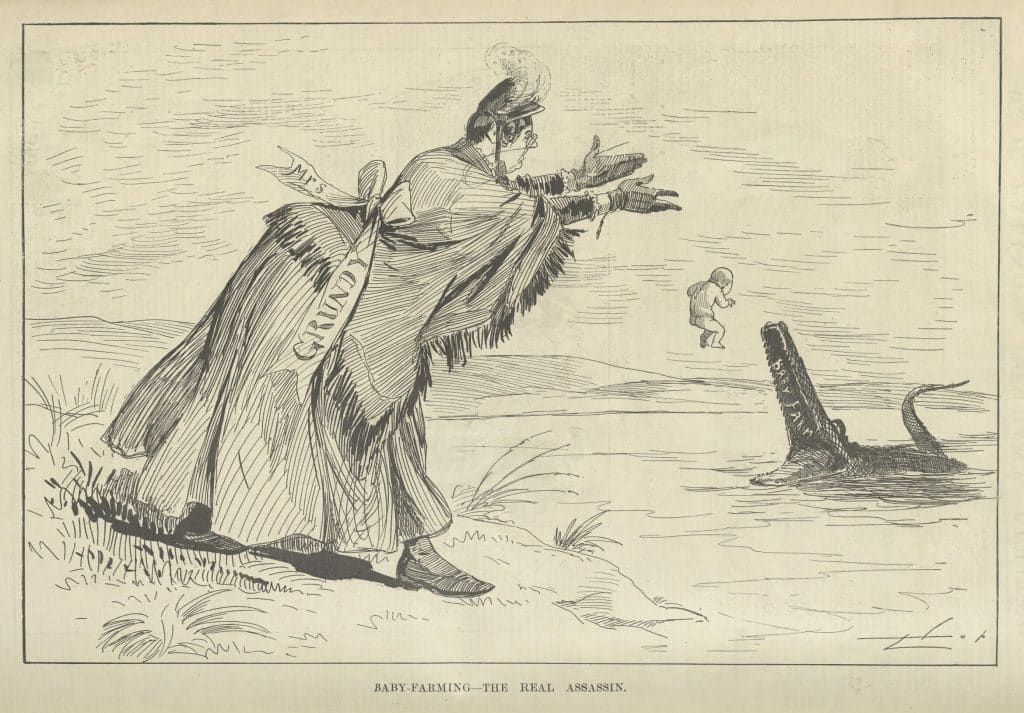
Mrs. Grundy, an icon of Victorian respectability-Victorian baby farming era

⬅ See all events from 14 August

Spread the word on your favourite platform!
On This Day in True Crime History

Subscribe to Dark Stories

True crime stories, dark history and tour news, straight to your inbox.