William Casey, a young Guardsman only about twenty years old, was hanged in London on 11 September 1721 after being convicted of robbing a man named John Stone in a city park. Casey never accepted the charge; he insisted the confrontation had nothing to do with theft and everything to do with Stone making indecent advances toward him, a claim that, if true, cast the entire prosecution in a very different light.
At the gallows Casey did not simply protest verbally. He left behind a written statement formally proclaiming his innocence of the robbery, a deliberate act by a condemned soldier determined that his version of events would outlive him.
“He maintained until death that the confrontation arose because Stone had made indecent advances toward him” and went to his execution still denying the crime for which he was hanged.
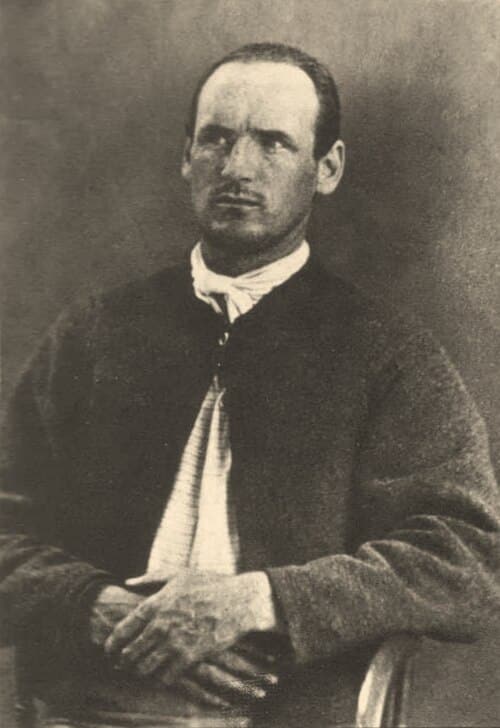
William Casey: The Soldier Accused of Robbery in the Park
1851: Too Many Escapes: Maitland Gaoler Dismissed, Replaced by a Darlinghurst Turnkey
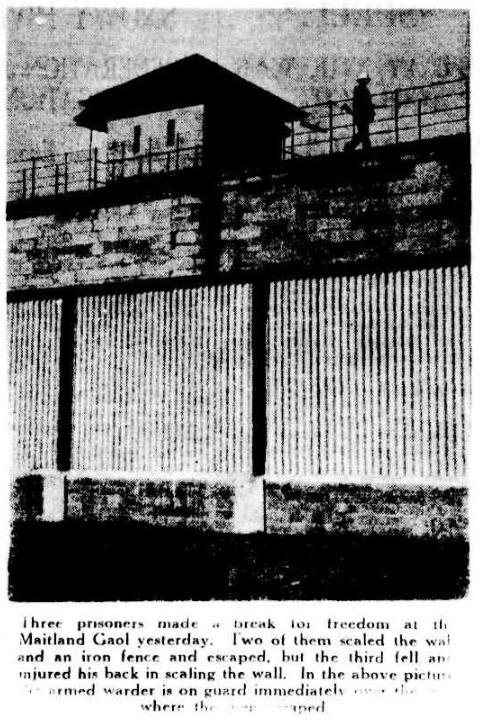
Just three years after Maitland Gaol had officially opened its gates in 1848, its first gaoler, James Cox, was sacked. So many prisoners had slipped out under his watch that on 10 September 1851 the authorities removed him from the post entirely.
His replacement was John Wallace, formerly principal turnkey at Darlinghurst Gaol in Sydney, who took over as gaoler at Maitland. His wife, Mrs Wallace, was installed alongside him as the gaol’s matron, a husband and wife team brought in to tighten a prison that had already earned a reputation for losing its inmates.
Warder guards wall after prisoner escape attempt at Maitland Gaol 1940
1977: The Last Blade Falls: the Final Guillotine Execution in France
Hamida Djandoubi went to the guillotine in France on this day in 1977, the last person ever executed by the device and the last person executed in France at all. He had been convicted of the murder of 21-year-old Elisabeth Bousquet, a crime that closed out nearly two centuries of the guillotine’s use as the instrument of French justice.
His execution marked a quiet historical hinge: within a few years France would abolish capital punishment altogether, in 1981, making Djandoubi’s death the final chapter of a punishment first adopted during the French Revolution.
Close-up of a guillotine in dark foggy setting execution concept
1935: The Sydney Shark Arm Murder Case Collapses on Judge Orders
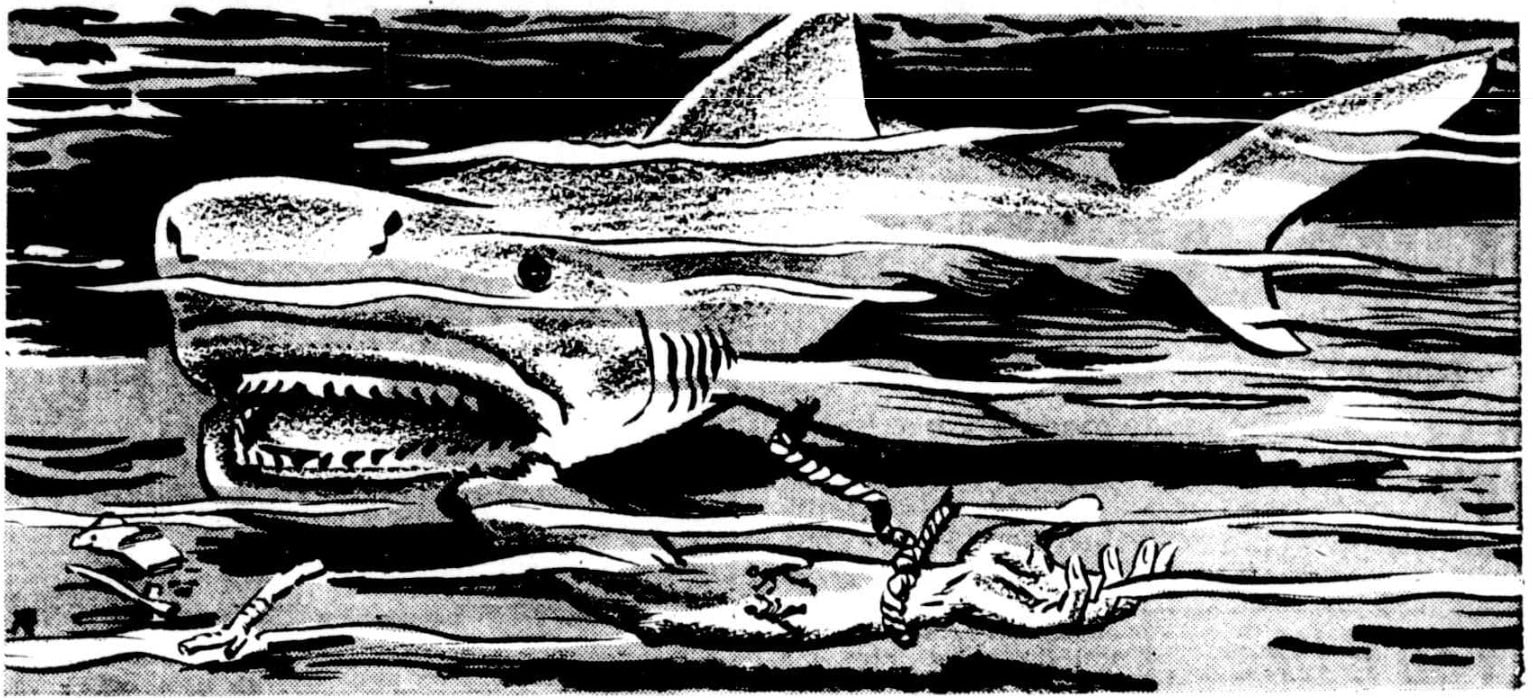
The case began in the most macabre way imaginable: on April 25, 1935, a captured shark on display at an Aquarium in Sydney vomited up a human arm. Tattoos identified the limb as belonging to James Smith, who had vanished after leaving home on April 8 with the stated intention of going on a fishing trip.
Police investigations focused on Patrick Brady, an associate of Smith who had been with him around the time of his disappearance. Another central figure was businessman Reginald Holmes, who was in a position to give direct evidence about Smith’s killing and Brady’s alleged involvement.
But before Holmes could give that evidence, the case took another extraordinary turn. In the early hours of June 12, just hours before he was due to appear at the inquest, Holmes was found shot dead in his car at Dawes Point. With the Crown’s key witness gone, the murder case against Brady was left largely dependent on circumstantial evidence.
Despite what Chief Justice Sir Frederick Jordan acknowledged was plenty of cause for suspicion, the prosecution now faced two fundamental problems: its key witness was dead, and there was no body to prove that Smith himself was dead. A person could, after all, survive the loss of an arm. On September 10, 1935, Jordan ruled that the evidence was insufficient to sustain a conviction and directed the jury to acquit Brady, bringing to an abrupt end what was described at the time as a case “without parallel in the annals of Australian criminal history.”
Brady’s freedom was short-lived. As soon as he stepped outside the court, detectives arrested him on an unrelated Tasmanian forgery charge. No one was ever convicted over Smith’s death or Holmes’s killing, and the infamous Shark Arm case remains unsolved.