Archives: Dark Stories: On This Day In True Crime History - Page 16
1830: A Daring Escape and a Public Hanging in Colonial New South Wales
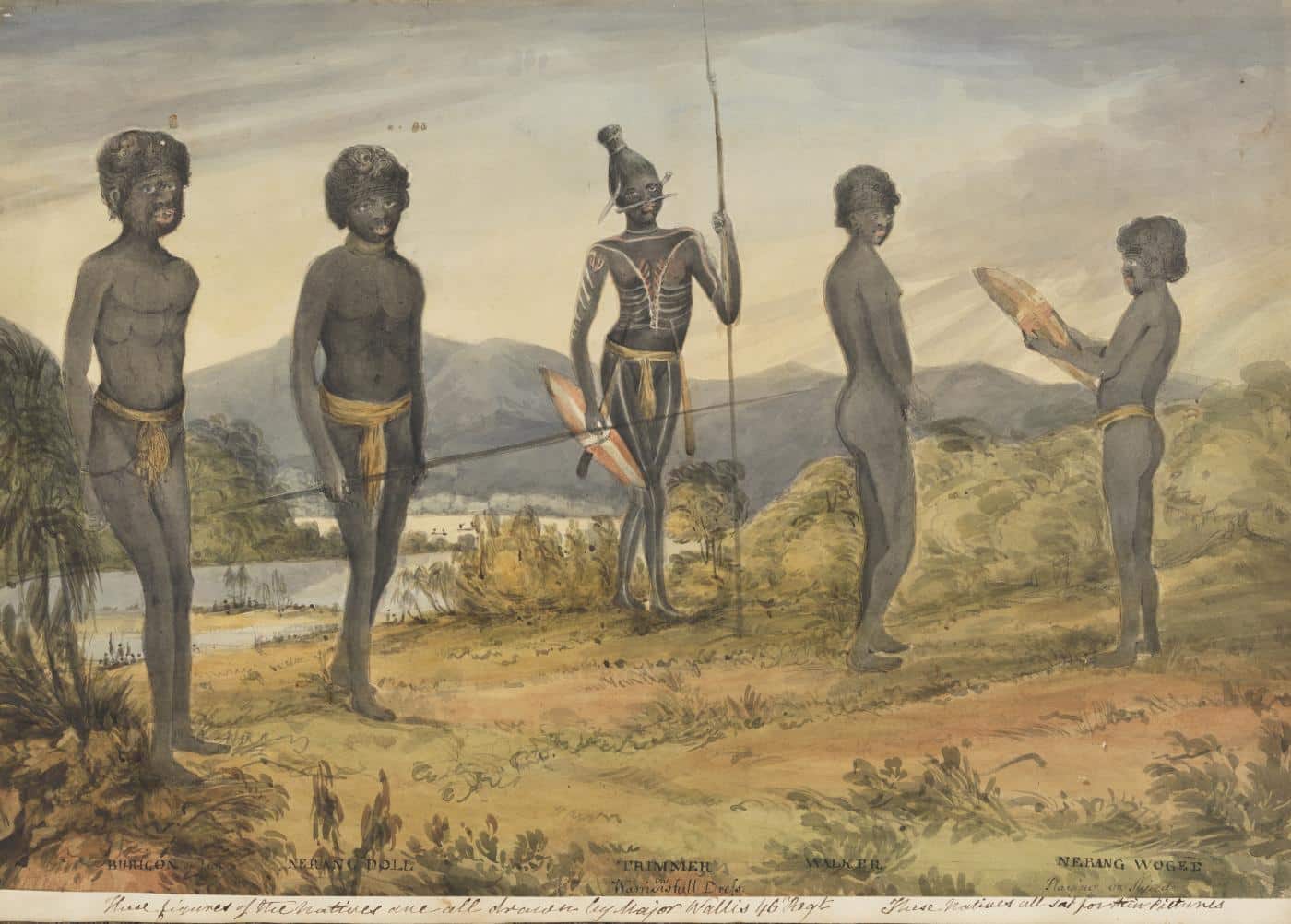
In February 1829, a man from the Shoalhaven region of New South Wales killed English sawyer John Rivett in the Kangaroo Valley, claiming self-defence after a dispute over a trade and a personal grievance. He and his accomplice evaded capture for months, using their knowledge of the densely forested hilly terrain to outrun colonial authorities.
Arrested in May 1829, the accused made a bold escape aboard a ship bound for Sydney, stealing the keys to his chains from a sleeping guard before jumping overboard with his companion. Recaptured and tried, he was found guilty of wilful murder and publicly executed by infamous hangman Alexander Green on 30 August 1830.
White bark gumtrees by Shoalhaven River under storm clouds
1870: James Cusack Hanged at Melbourne Gaol for Murder at Woods Point
James Cusack was tried before Justice Barry at the Victorian Criminal Sessions in August 1870 for the wilful murder of his wife, Ann Cusack, at Gooley’s Creek on the Upper Goulburn River.
A neighbour, Patrick Malone, testified to a history of brutal domestic abuse: over eighteen months he had repeatedly witnessed Cusack beating, kicking, and dragging Ann by the hair. On the night of 28 June 1870, Malone watched Cusack knock her down with his fist over a hidden bottle of gin. The violence that followed proved fatal.
Cusack was convicted and hanged at Melbourne Gaol on 30 August 1870, leaving behind four children, the eldest just six years old and the youngest twelve months.
Woods Point, Charles William Dale, State Library Victoria, H36372.
1870: William Brown Hanged at Toowoomba Gaol for Robbery Under Arms
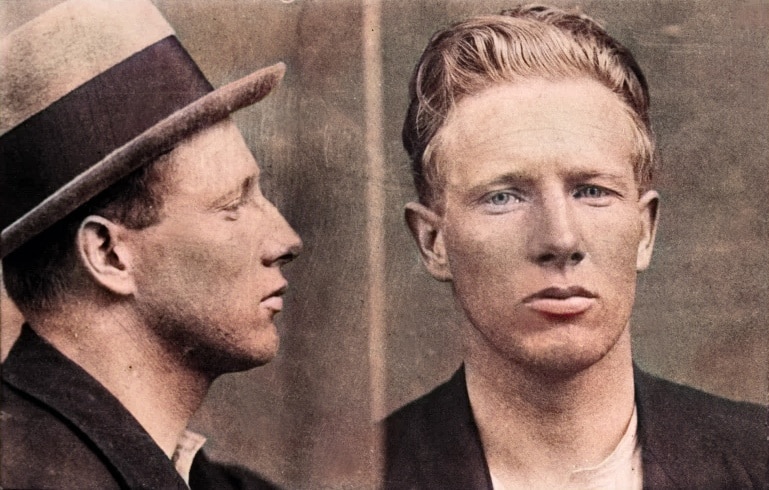
William Brown, also known as Bertram, was hanged at Toowoomba Gaol on 29 August 1870 for robbery under arms at Mangalore. A German-born drifter who claimed to have left home at the age of twelve and reached Australia as a cabin boy, Brown was linked to a string of robberies in New South Wales and was reported to have spent several years with Gardiner’s gang in the Barrier Ranges. His identity was confirmed by the loss of his left eye, an injury sustained during an earlier term of imprisonment.
Throughout his final days, he refused to reveal his true name or identify his associates, remarking that his friends would probably never learn what had become of him. Brown was only twenty-one when he was executed.
Toowoomba Garden City welcome sign for Carnival of Flowers
1843: Bushranger Martin Cash Captured After Shooting a Constable Dead in Hobart
On 29 August 1843, notorious bushranger Martin Cash was captured in Hobart after venturing into the town in search of his former partner, Bessie, who had taken up with another man. Cash, a wanted escapee with a substantial government reward on his head, was spotted by two plain-clothes constables in Harrington Street, close to Bessie’s address and only about 100 yards from the watch-house. He fled through the streets, firing at his pursuers, and in attempting to reach the Domain mistakenly ran into a dead end near the Campbell Street Gaol. Forced to turn back, he lost ground; the spot later became known as Martin’s Mistake. Near the Old Commodore Inn, Constable Peter Winstanley tried to seize Cash and was shot at close range. Cash was eventually wrestled to the ground and captured after a violent struggle. Winstanley died two days later, on 31 August. Cash was convicted of his murder and sentenced to death, but received a last-minute reprieve and was transported for life to Norfolk Island. Cash ultimately survived his years as a bushranger and convict, dying in Tasmania in 1877. He also left behind his own account of his life, dictated to James Lester Burke and published in Hobart in 1870 as The Adventures of Martin Cash, one of the best-known first-person accounts of Australian bushranging and the convict era.
Residence of the Governor of the Hobart Gaol, at the end of Melville Street, known colloquially as Martin’s Mistake.