Archives: Dark Stories: On This Day In True Crime History - Page 16
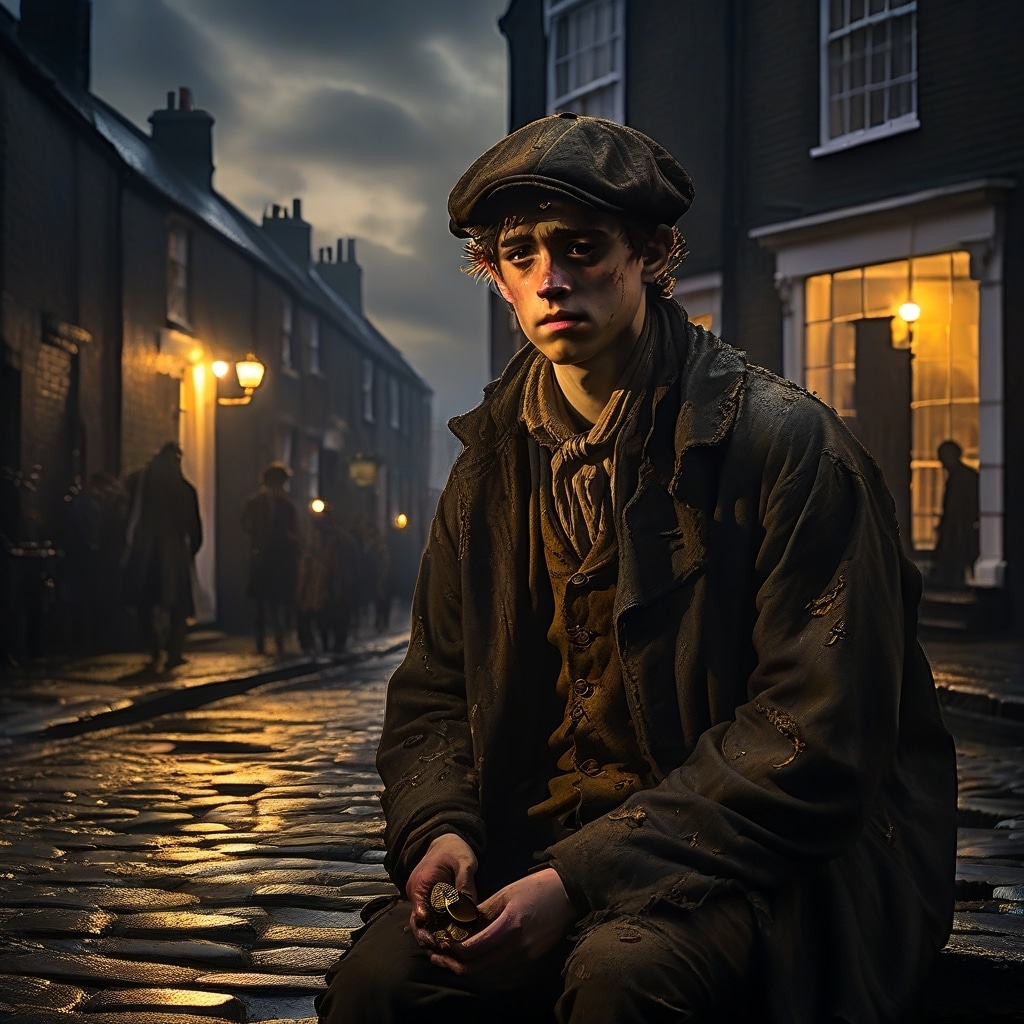
John Dykes gambled away everything he had, then slid from pickpocketing into armed robbery on the road between Mile End and Bow. When he held up Charles Wright at gunpoint, his haul amounted to a penknife, a seal, and five shillings and eightpence, hardly a fortune worth a man’s neck.
He was convicted at Newgate and hanged on this day in 1721, just 23 years old, the end of a fall from gambling debts to the gallows that had taken only a few short years.
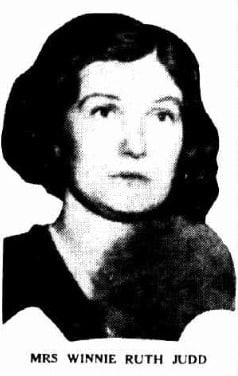
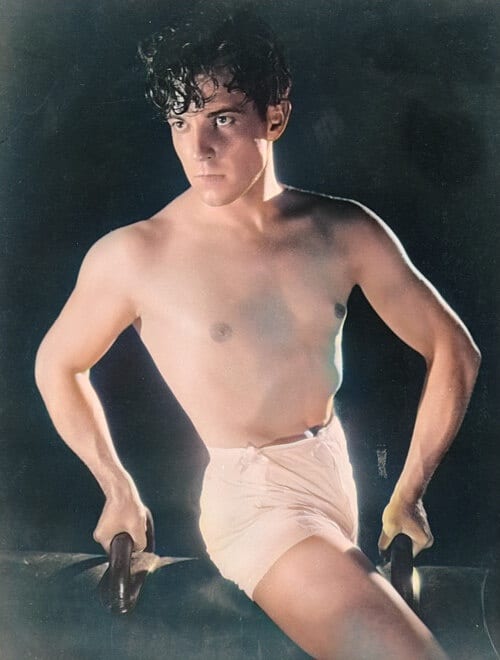
Winnie Ruth Judd earned the tabloid name the Trunk Murderess after she shot two friends in Phoenix, Arizona, then packed their bodies into steamer trunks and shipped them by rail to Los Angeles in 1931. When the trunks began to leak, she walked into a Los Angeles police station and gave herself up.
Convicted of murder in 1932, she was declared insane and spent much of the next four decades confined to an Arizona mental institution, escaping it several times before finally being paroled in 1971. She died in Phoenix on this day in 1998, aged 93, exactly 67 years to the day after she had first surrendered to police.
Portrait of Winnie Ruth Judd convicted of murdering two nurses 1932
Carl Denaro and Rosemary Keenan were sitting in a parked car near Bowne Park in Flushing, Queens, on this day in 1976 when the windows suddenly exploded around them. Denaro was bleeding from a bullet wound to the head, Keenan was only cut by flying glass, and in her panic she sped off for help without either of them realising anyone had actually fired at them.
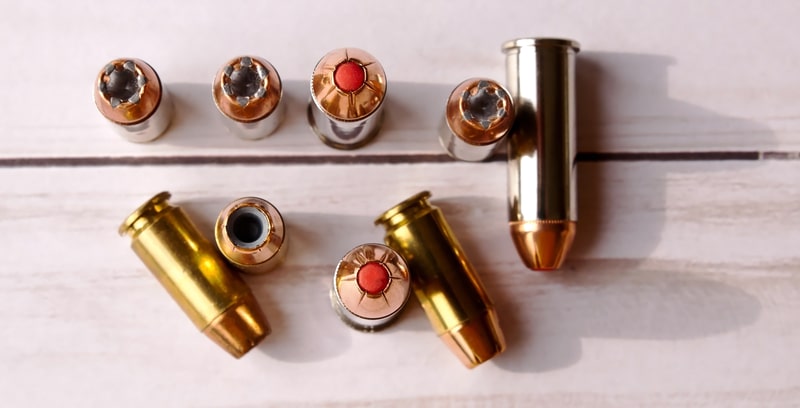
Police dug .44 calibre bullets out of the wrecked car, the same calibre already blamed for a string of near-identical attacks on young couples across New York, but the slugs were so deformed detectives doubted they could ever be traced to one weapon. The press had already given the unknown gunman a name before anyone had heard of “Son of Sam”: the .44 Calibre Killer. Because Denaro wore his hair shoulder length, investigators later decided he had simply been mistaken for a woman.
Jurisdiction kept the dots unjoined for months: this shooting sat with one Queens precinct, a near-identical attack on another couple three months earlier in the Bronx sat with another, and the bullets went unmatched until more victims fell. David Berkowitz was arrested the following year and later confessed to shooting Denaro and Keenan himself.
Augustin De Kitchilan, a young drifter from Ceylon, had been living and working at Leah Fouracre’s isolated farm near Waroona, Western Australia, breaking in her horses in exchange for board. When Fouracre disappeared in mid August 1907, her farmhouse was found burnt to the ground with her charred remains inside, while De Kitchilan was soon found riding her horse and pawning her jewellery across the district.
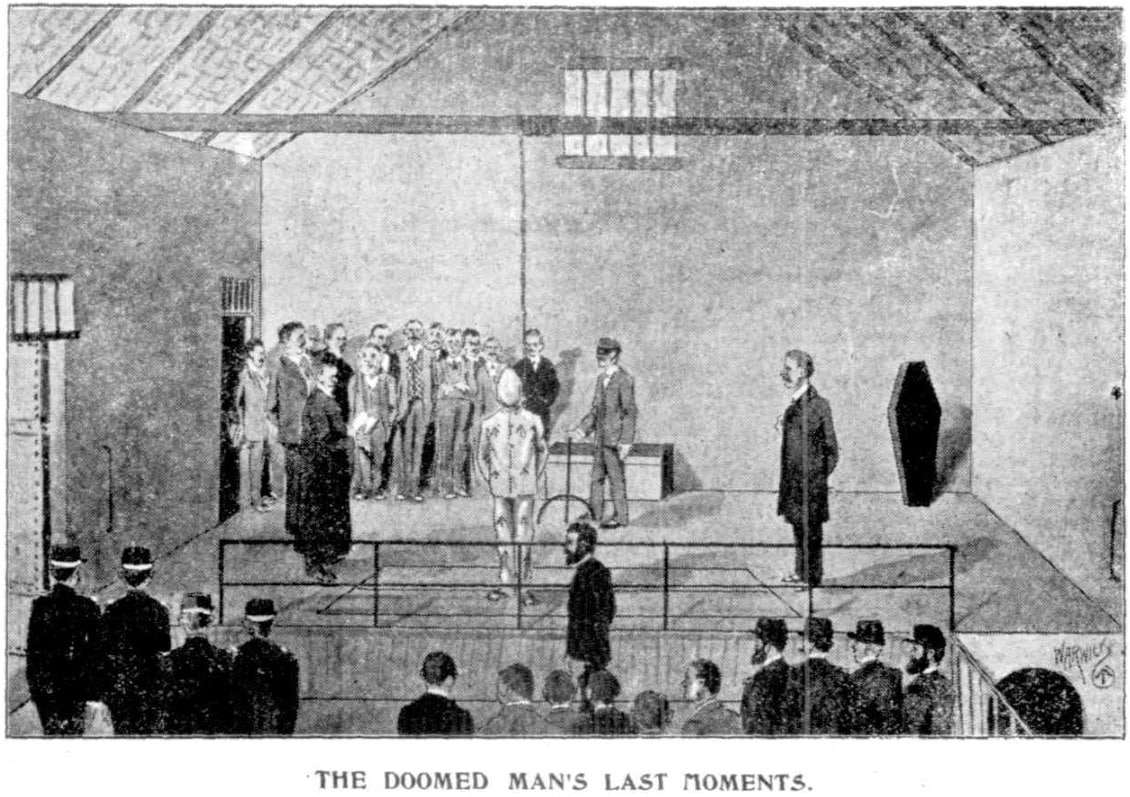
Convicted of her murder after a trial in Perth, he was hanged at Fremantle Prison on 23 October 1907. In his final days he wrote what he titled ‘my last confession’, a rambling letter to the public that never actually admitted guilt, instead taunting readers in verse to guess who had pulled the trigger if not him.
De Kitchilan denied the murder to the end, declaring at his sentencing, ‘I absolutely deny the committal of the dirty crime with which I am charged.’
Kitchilan’s Execution for the Peppermint Farm Murder : Illustration 1907