Walter Edward Gordon was a woolshed hand on Darr River Downs station near Muttaburra when fever took hold of him in 1885. He begged station manager Walter Dunning to send him to hospital, but Dunning refused, warning that if he took one sick man in he would have fifty more lining up behind him. The night before the killing, Gordon was overheard muttering that he would shoot him.

On 2 May he walked into the station office, placed a revolver to Dunning’s back as he sat writing, and fired. Dunning died within minutes, saying only “Good-bye George” to his brother before blood filled his throat. At trial Gordon’s counsel argued the fever had left him delirious and not responsible for his actions, but a doctor testified he had acted with full awareness, and the jury convicted him, though they recommended mercy given his poor health. He was hanged in Brisbane on this day in 1885.

On the scaffold Gordon struggled against the hood, insisting he wanted to speak. “I am innocent of the murder of that gentleman. I conscientiously,” he began, before his voice failed him entirely.
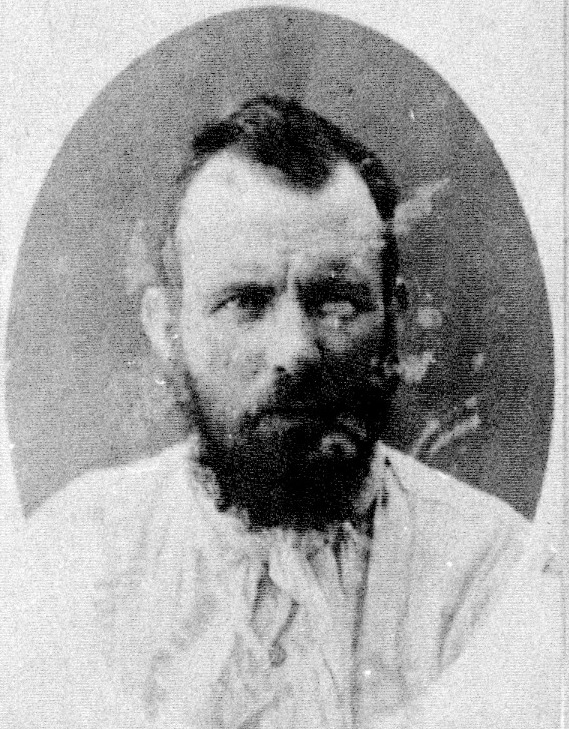

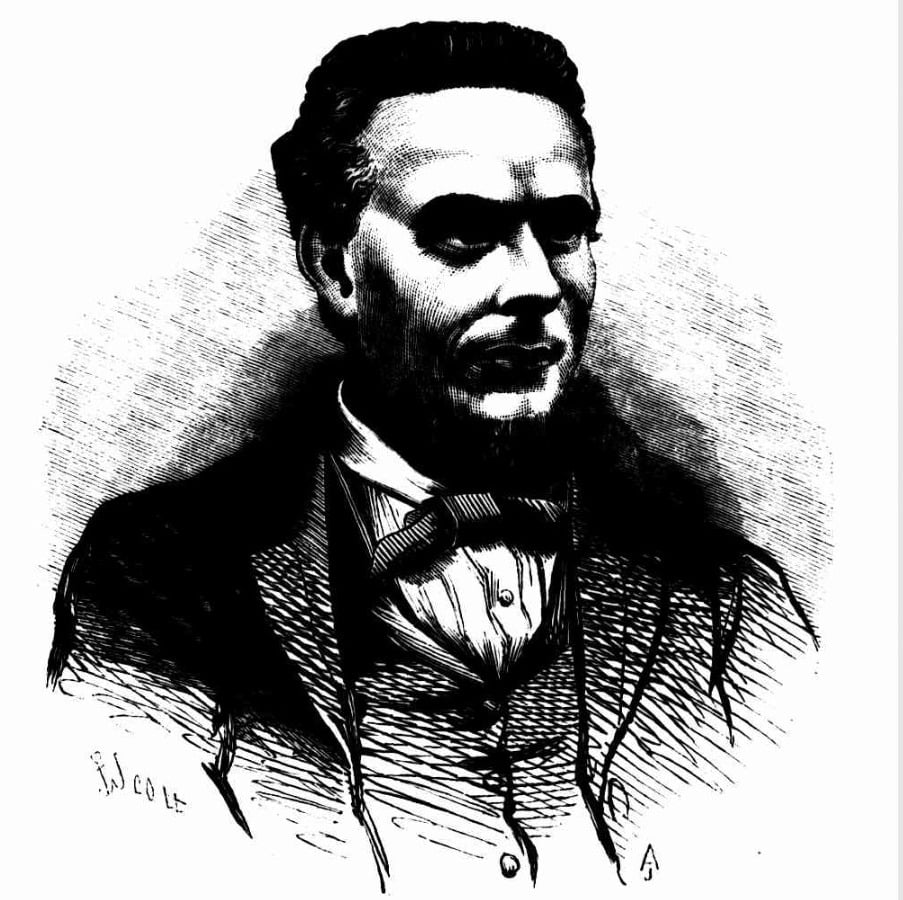
Portrait of Walter Gordon: Queensland State Archives, Item ID ITM2947

⬅ See all events from 25 October

Spread the word on your favourite platform!

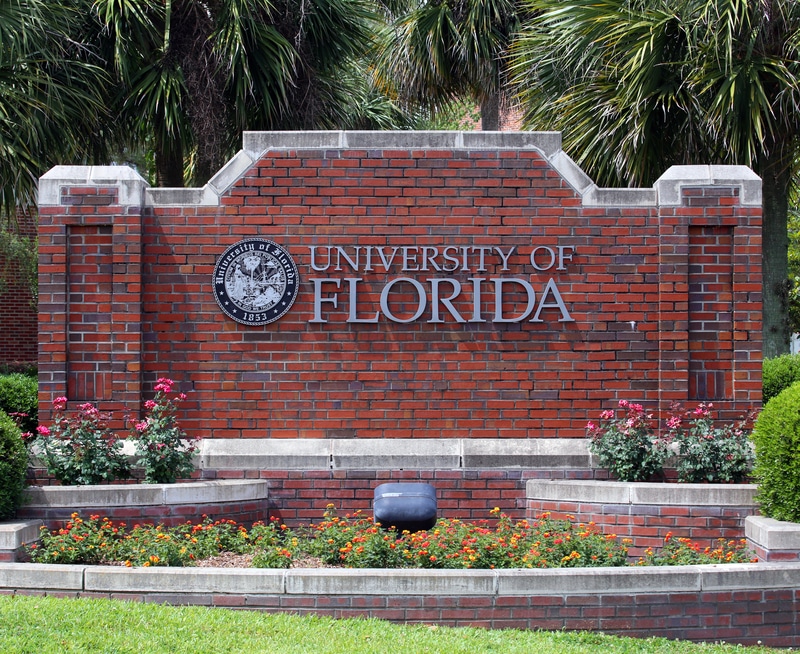
Danny Rolling earned the name the Gainesville Ripper after a four day rampage through student housing near the University of Florida in August 1990 left five young people dead. He mutilated and deliberately posed his victims, severing one woman’s head and placing it to face anyone who walked into the room. Police initially chased the wrong man, a troubled student named Edward Humphrey, whose grandmother collapsed and died on her own doorstep while fending off a reporter during the hunt.

Rolling later claimed an alter personality called Gemini had driven him to kill, a story investigators quickly dismissed after learning he had watched a film featuring a killer of that exact name days earlier. He pleaded guilty before trial and was sentenced to death. On this day in 2006 he was executed by lethal injection at Florida State Prison, having eaten a last meal of lobster tail and sung a gospel hymn.

Shortly before his execution Rolling handed authorities a written confession admitting to an earlier unsolved triple murder in Shreveport, Louisiana, but made no final statement on the gurney itself.

Gainesville, FL, USA - May 11, 2016: An entrance to the University of Florida. The University of Florida is a public research university located in Gainesville, Florida. | ID 76208519 © Wellesenterprises | Dreamstime.com
ID 76208519 © Wellesenterprises | Dreamstime.com

⬅ See all events from 25 October

Spread the word on your favourite platform!

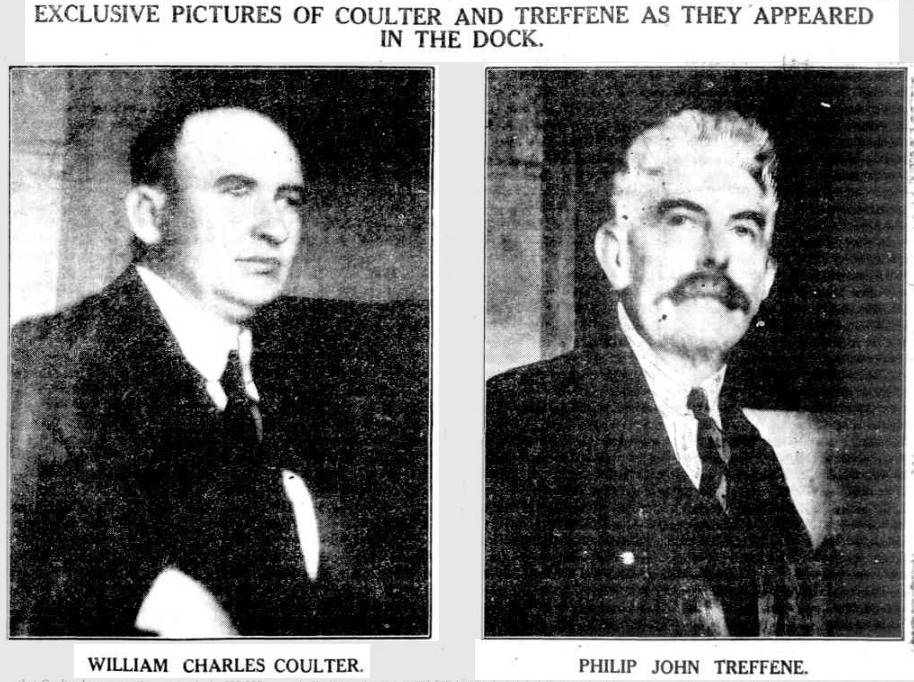
William Coulter and Phillip Treffene were illegal gold buyers on the Kalgoorlie goldfields, trading in stolen bullion. When Detective-Inspector John Walsh and Sergeant Alexander Pitman closed in near Boulder on 28 April 1926, the two men shot them dead, then cut up and burned as much of the bodies as they could before dumping the rest down a mineshaft.

At trial, the pair claimed the shootings were a freak accident, a shotgun discharging as Treffene stumbled while fleeing. The jury took four hours to reject the story, returning a verdict of guilty and adding that they bitterly regretted the accomplice who had helped dispose of the bodies was not standing trial alongside them.

In the condemned cell, Coulter let slip a stranger secret: for years he had buried stolen gold bars across the goldfields, marking a chosen tree with a notch and pacing out the distance with a length of string he always carried. He never told a soul where the bars lay, and with his death the locations, worth thousands of pounds, were lost for good.

Coulter and Treffene were hanged in Fremantle on this day in 1926, within minutes of each other.

Both protested their innocence from the gallows. Coulter said, “I am innocent of the crime that I have been charged with,” while Treffene called it, “purely and simply an accident.”

Coulter and Treffene in the dock courtroom pictures 1926

⬅ See all events from 25 October

Spread the word on your favourite platform!

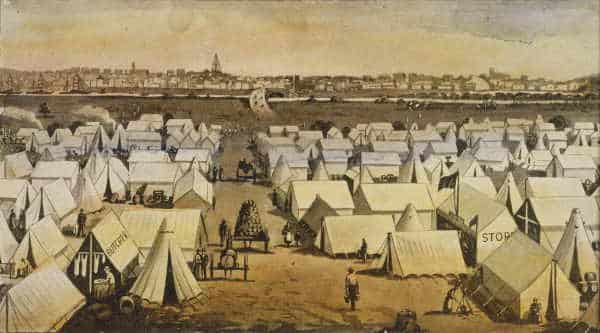
Kitty Hennessy lived in a tent at Prahran, outside Melbourne, with Alexander Ram, and her young son shared their bed. One night in August 1853, the boy witnessed a violent attack on his mother and was threatened with death if he revealed what had happened.

At trial, the boy gave his evidence through tears, telling the court his mother called his name once and then fell silent for good. The jury found Ram guilty of murder but recommended mercy, a plea the presiding judge said he could see no grounds for. Ram was hanged in Melbourne on 25 October 1853, as local newspapers noted was the seventh execution in twenty three days.

Ram never confessed to being conscious of what he was doing when he killed her, though his gaol chaplain believed him truly penitent before he went to the scaffold.

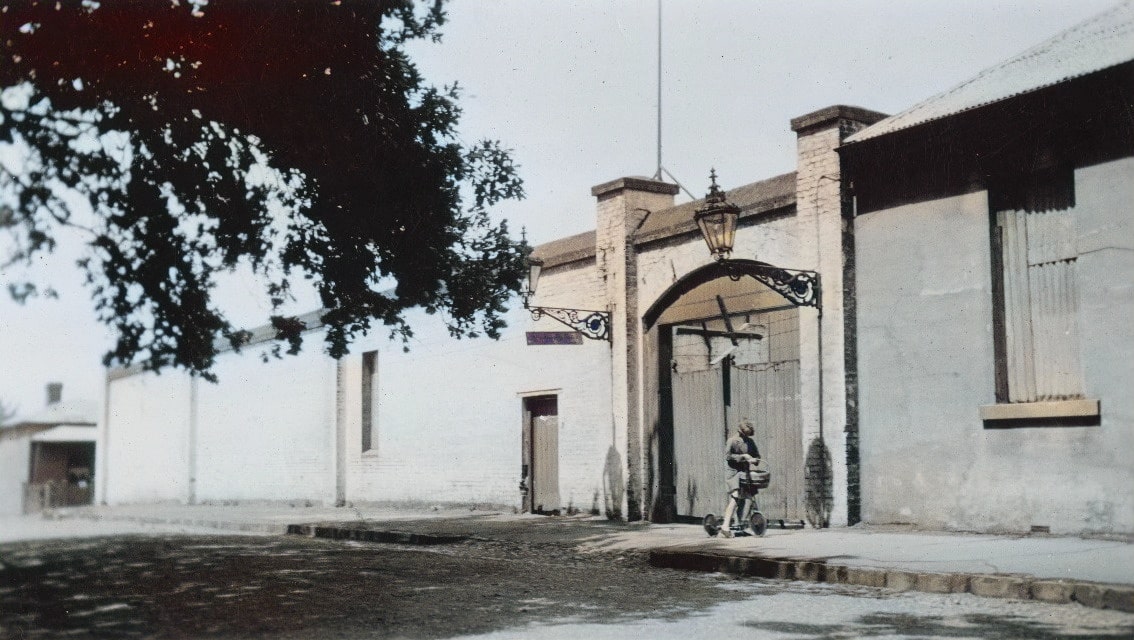
Canvas town tents and huts in South Melbourne 1850s

⬅ See all events from 25 October

Spread the word on your favourite platform!
On This Day in True Crime History

Subscribe to Dark Stories

True crime stories, dark history and tour news, straight to your inbox.