William Coulter and Phillip Treffene were illegal gold buyers on the Kalgoorlie goldfields, trading in stolen bullion. When Detective-Inspector John Walsh and Sergeant Alexander Pitman closed in near Boulder on 28 April 1926, the two men shot them dead, then cut up and burned as much of the bodies as they could before dumping the rest down a mineshaft.

At trial, the pair claimed the shootings were a freak accident, a shotgun discharging as Treffene stumbled while fleeing. The jury took four hours to reject the story, returning a verdict of guilty and adding that they bitterly regretted the accomplice who had helped dispose of the bodies was not standing trial alongside them.

In the condemned cell, Coulter let slip a stranger secret: for years he had buried stolen gold bars across the goldfields, marking a chosen tree with a notch and pacing out the distance with a length of string he always carried. He never told a soul where the bars lay, and with his death the locations, worth thousands of pounds, were lost for good.

Coulter and Treffene were hanged in Fremantle on this day in 1926, within minutes of each other.

Both protested their innocence from the gallows. Coulter said, “I am innocent of the crime that I have been charged with,” while Treffene called it, “purely and simply an accident.”
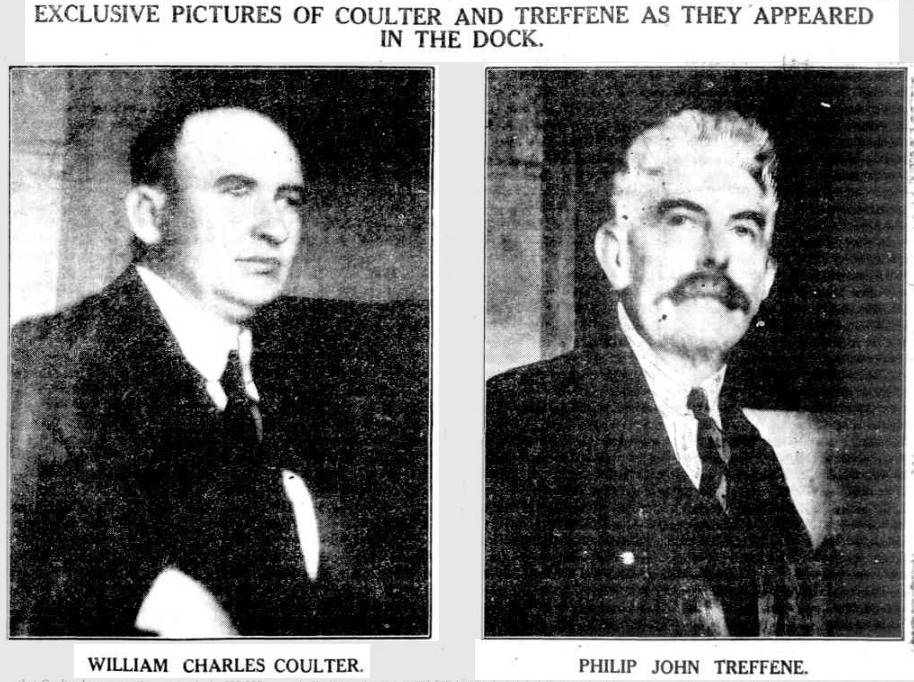

Coulter and Treffene in the dock courtroom pictures 1926

⬅ See all events from 25 October

Spread the word on your favourite platform!

A drunken brawl at a Launceston public house turned deadly when William Brown, also known as Stockton, drew a knife and stabbed a man named James Stephens. The wounds were serious enough that a doctor testified to their severity at trial, and Brown was convicted of stabbing with intent to kill and sentenced to death, with no hope of mercy.

While he lay under sentence in Launceston gaol, word reached him that a relative back in England had left him a sum of money. Rather than let the inheritance go to waste, Brown arranged to bequeath it to a servant who had once worked alongside him as a splitter and sawyer on a property near the East Tamar. He was hanged on this day in 1853, his strange act of generosity settled just before the sentence was carried out.

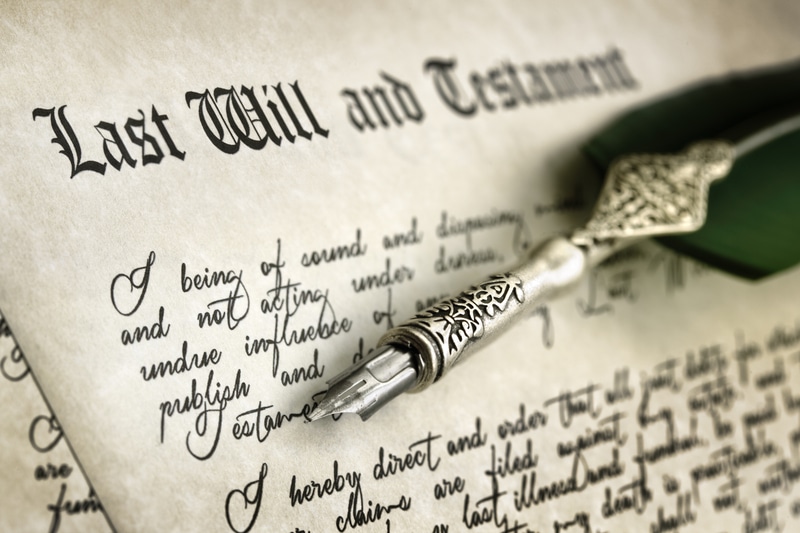
Signing a last will and testament document with quill pen

⬅ See all events from 25 October

Spread the word on your favourite platform!

Kitty Hennessy lived in a tent at Prahran, outside Melbourne, with Alexander Ram, and her young son shared their bed. One night in August 1853, the boy witnessed a violent attack on his mother and was threatened with death if he revealed what had happened.

At trial, the boy gave his evidence through tears, telling the court his mother called his name once and then fell silent for good. The jury found Ram guilty of murder but recommended mercy, a plea the presiding judge said he could see no grounds for. Ram was hanged in Melbourne on 25 October 1853, as local newspapers noted was the seventh execution in twenty three days.

Ram never confessed to being conscious of what he was doing when he killed her, though his gaol chaplain believed him truly penitent before he went to the scaffold.

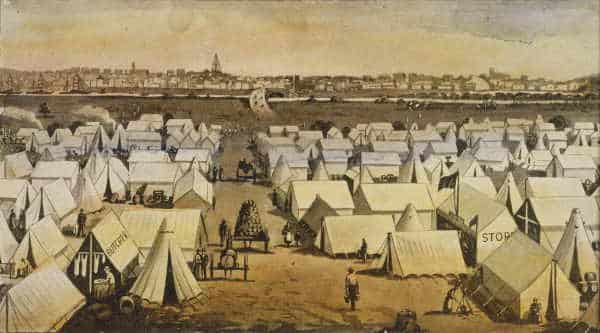
Canvas town tents and huts in South Melbourne 1850s

⬅ See all events from 25 October

Spread the word on your favourite platform!

William O’Brien lost his Lancefield farm when the Commercial Bank foreclosed on his mortgage, and he swore to shoot whoever dared buy it next. Two years later, farmer Peter McAinsh took up the land anyway. On 24 July 1884, McAinsh left a local hotel for the walk home and was found dead on a dark road, shot in the head and groin, a bottle of gin still cradled under his arm.

Suspicion fell on O’Brien at once. Aboriginal trackers brought in from Queensland followed boot prints from the murder scene straight to his hut and back again, while a recently fired gun and matching shot were found inside. After a five-day trial, he was convicted and sentenced to death.

O’Brien was hanged in Melbourne on this day in 1884. The night before, he thanked the gaol staff for their kindness, warning he might be nervous on the drop; on the scaffold, asked if he had anything to say, he answered only “nothing” and bowed his head before the bolt was drawn.

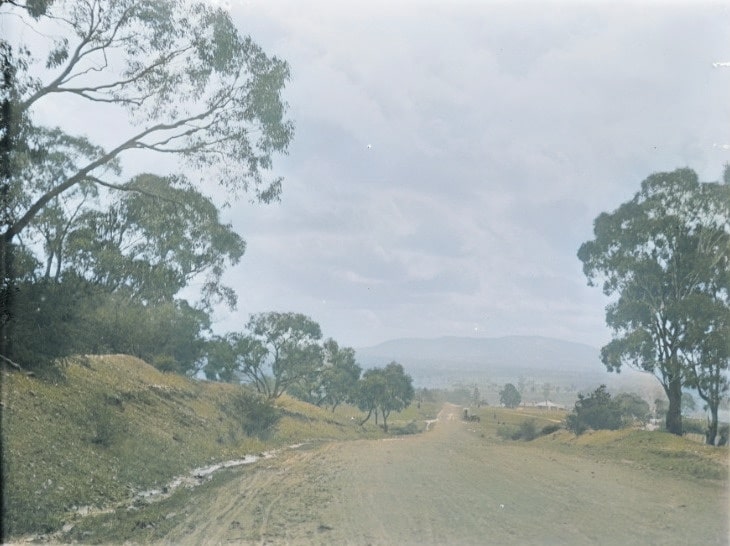
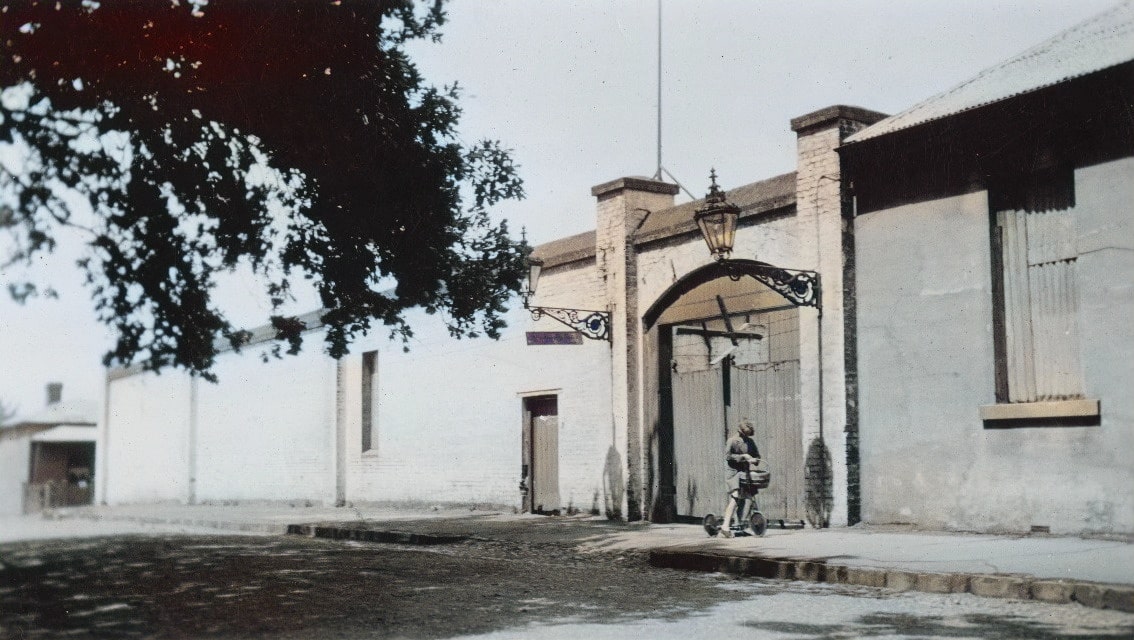
Unidentified country road rural Australia early 1900s photograph

⬅ See all events from 24 October

Spread the word on your favourite platform!
On This Day in True Crime History

Subscribe to Dark Stories

True crime stories, dark history and tour news, straight to your inbox.