1976: Rejected From a Model Plane Club, He Opened Fire on the Streets of Spring Hill in Brisbane

On 22 September 1976, 36-year-old William Robert Wilson opened fire on Boundary Street in Spring Hill, a suburb of Brisbane. Armed with a .22-calibre rifle and 500 rounds of ammunition, he killed two teenage girls and wounded four other people. He had reportedly been upset after being rejected for membership by a model plane club.

Wilson then fled to a house in nearby Kelvin Grove and took five student teachers hostage. After around two hours of negotiations, one hostage escaped by pretending she needed the bathroom. Police stormed the house around 4pm, exchanging gunfire with Wilson before overpowering him and freeing the remaining captives.

Wilson spent three years in Hospital before being considered fit to plead. On 23 June 1980, he pleaded guilty to two murders and four attempted murders, receiving two life sentences and concurrent ten-year prison terms.
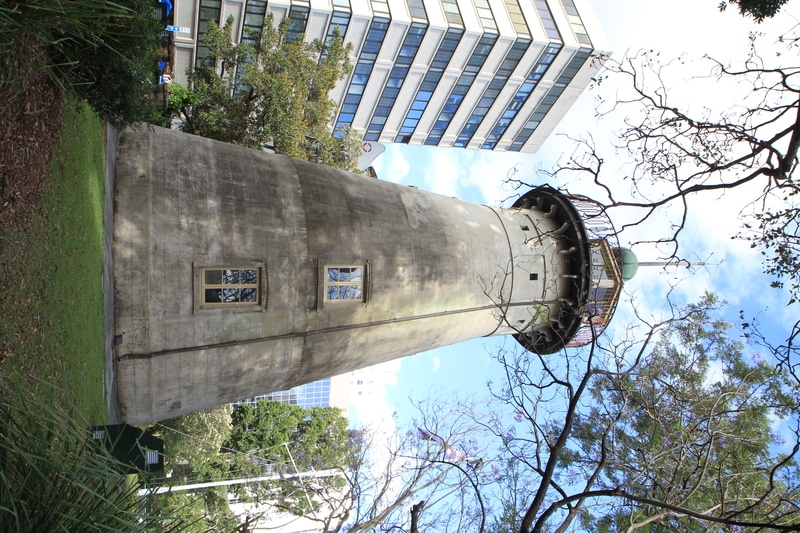

Old Windmill Brisbane, built by convicts at Moreton Bay penal settlement

⬅ See all events from 22 September

Spread the word on your favourite platform!
True Crime Scene Tape

1776: But One Life to Give: Nathan Hale Hanged as a Spy in New York City

Captain Nathan Hale, a young American officer serving under George Washington, was captured behind British lines on Long Island while gathering intelligence on troop movements ahead of the British occupation of New York City. Found with incriminating documents hidden in his boots, he was condemned without a formal trial and hanged by the British the following morning, on the orders of General William Howe.

Hale was reportedly denied the services of a clergyman and even a Bible in his final hours. He was hanged from a tree or ladder, with no gallows or drop, meaning death likely came slowly by strangulation rather than a broken neck.

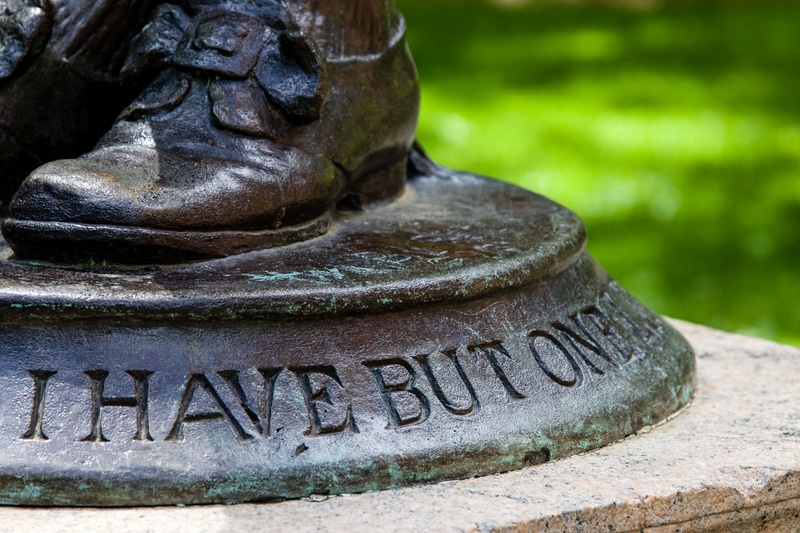
His last words are reputed to have been, “I only regret that I have but one life to give for my country,” a line said to echo a sentiment from a play he had read, and one that transformed him into an enduring symbol of American revolutionary sacrifice despite his execution as a spy.

Nathan Hale statue detail with partial quote I have but one

⬅ See all events from 22 September

Spread the word on your favourite platform!
True Crime Scene Tape

1913: The Last Man Hanged in Queensland Walks to the Brisbane Gallows

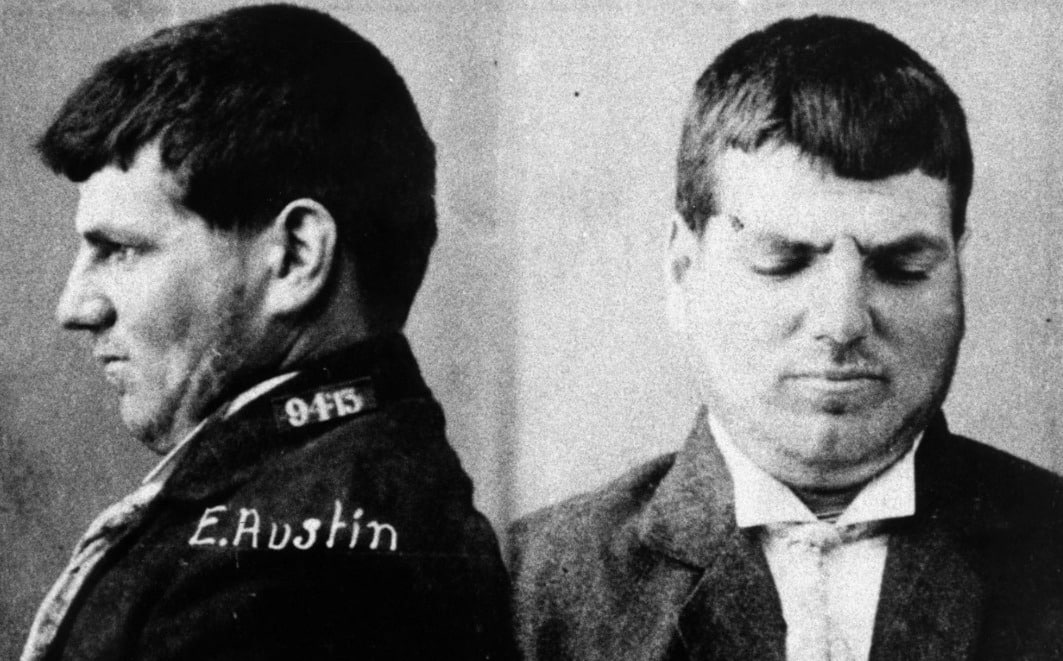
Ernest Austin was the last person ever executed in Queensland. The 23-year-old farm labourer was hanged in Brisbane in September 1913 for a murder committed at Samford three months earlier.    Reporters noted that the brilliance of the spring morning made it hard to grasp what was happening a few yards away. A chaplain led the procession to the scaffold, reciting the burial service. The condemned man looked in remarkably good health; his appetite had stayed “voracious to the very last”, and he had gained 28 pounds in gaol.    Asked if he had anything to say, he spoke in low, clear tones, waving his right hand for emphasis: “I say straight out that I quite deserve this punishment.” As the white cap was drawn over his face he added: “Send a wire to my mother.”

Prison identification photo of Ernest Austin last man hanged in Queensland

⬅ See all events from 22 September

Spread the word on your favourite platform!
True Crime Scene Tape

1656: Never Pregnant, Never Guilty: Colonial America’s First All-Female Jury Acquits an Accused Child-Killer

In September 1656 the General Provincial Court at Patuxent, Maryland impanelled the first all-woman jury in the American colonies to try Judith Catchpole, an indentured maidservant accused of murdering her newborn child. The accusation came from a fellow passenger on the voyage from England, who also claimed she had cut a sleeping woman’s throat and stabbed a seaman in the back, then, in the same breath, that she had stitched the throat wound closed before the victim woke and rubbed grease on the seaman’s wound to bring him back to life.

The jury of seven married and four single women was chosen specifically because the case turned on medical evidence only women could assess: whether Catchpole’s body showed any sign of having recently given birth. Their physical examination found no such evidence, and witnesses testified that her accuser, who had died before the trial, was not of sound mind.

Catchpole’s defence rested on a simple claim: she had never been pregnant at all. With no proof of childbirth and the accuser’s own tales dismissed as delusional talk of witchcraft, the jury acquitted her of every charge.

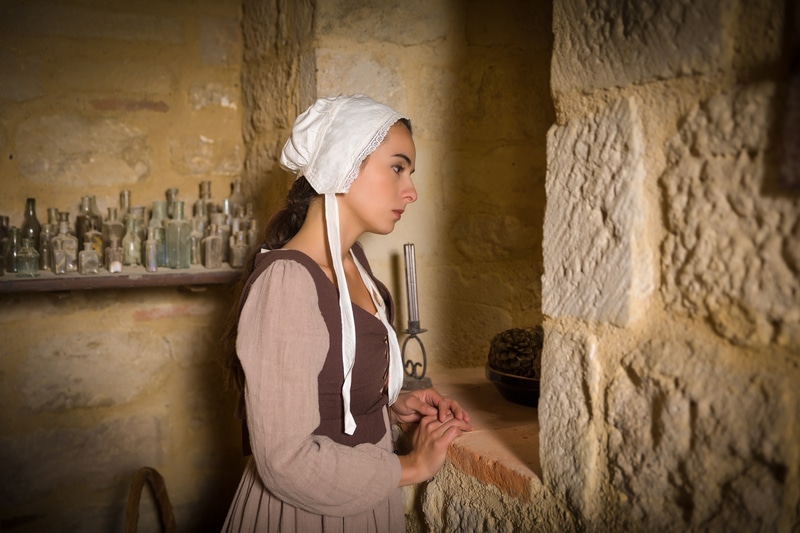
Maidservant 17th Century.

⬅ See all events from 22 September

Spread the word on your favourite platform!
True Crime Scene Tape
On This Day in True Crime History
1851·He Prayed for His Own Son to Die: A Fatalist Hanged at Melbourne Gaol for Murder
1917·Told to Dig a Hole in the Dark: the Stepson Who Undid Eugenia Falleni in the "Man-Woman" Trial at Darlinghurst
More Crime On This Day →

Subscribe to Dark Stories

True crime stories, dark history and tour news, straight to your inbox.