James Alpin Macpherson, known as the Wild Scotchman, was one of Queensland’s most notorious bushrangers before his capture and imprisonment. Released from prison in 1874, he lived out the remainder of his days quietly, working as a stockman and station overseer far from his outlaw past.

Macpherson died on 23 August 1895 at Burketown, Queensland, aged 53, after falling from a horse. The man who had once terrorised the bush met his end not in a blaze of gunfire, but in an ordinary accident on the land he had spent his later years working.
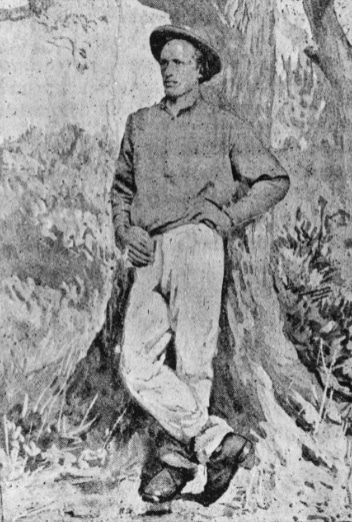

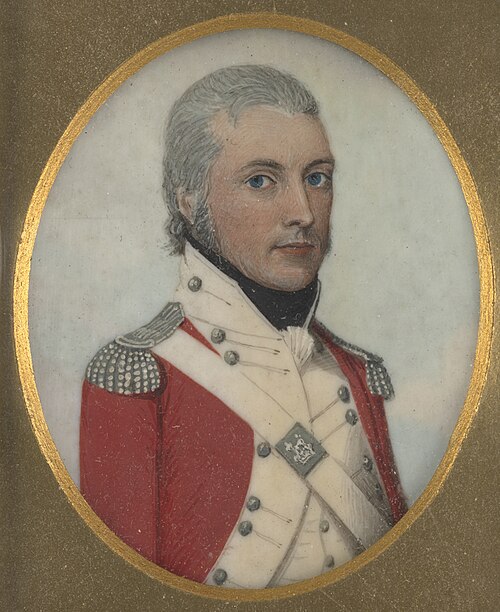
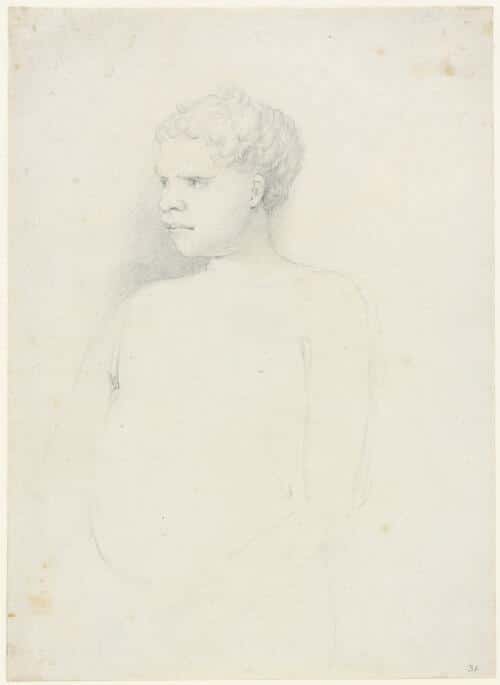
Portrait of bushranger James MacPherson 1866
Portrait of bushranger James MacPherson 1866: The Wild Scotchman

⬅ See all events from 23 August

Spread the word on your favourite platform!

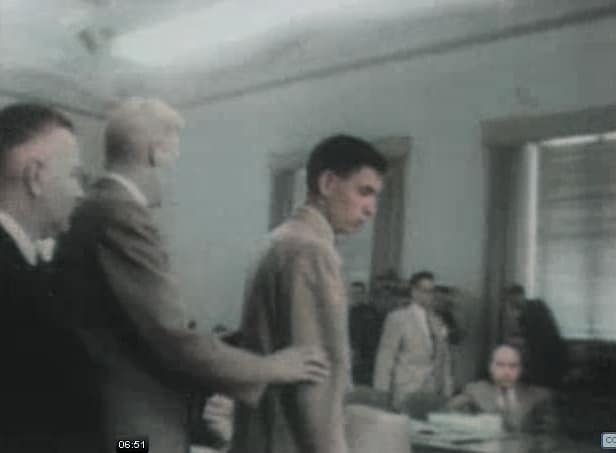
On August 22, 1972, John Wojtowicz and Salvatore Naturile attempted to rob a branch of Chase Manhattan Bank at 450 Avenue P in Gravesend, Brooklyn. A third accomplice fled before the robbery began after spotting a police car. Rather than escaping with the cash, Wojtowicz and Naturile held seven bank employees hostage for fourteen hours. Wojtowicz, a former bank teller, had working knowledge of bank operations, but the plan unravelled completely.

Naturile was shot and killed by an FBI agent during the final moments of the standoff. Wojtowicz was arrested and sentenced to 20 years at Lewisburg Federal Penitentiary, serving five. The story became the basis for the 1975 film Dog Day Afternoon, starring Al Pacino.

NEW YORK - Facade of Chase Bank with sunset the rays in New York, USA, business, finance, logo, banking, sign, building, city, financial, exterior, company, money, editorial, architecture, symbol, branch, office, atm, investment, street, morgan, jpmorgan, states, united, cash, deposit, economy, corporation, blue, urban, america, corporate, american, manhattan, nyc, outdoor, commerce, withdrawal, lender, institution, people, brand | ID 164823257 © Photovs | Dreamstime.com
ID 164823257 © Photovs | Dreamstime.com

⬅ See all events from 22 August

Spread the word on your favourite platform!

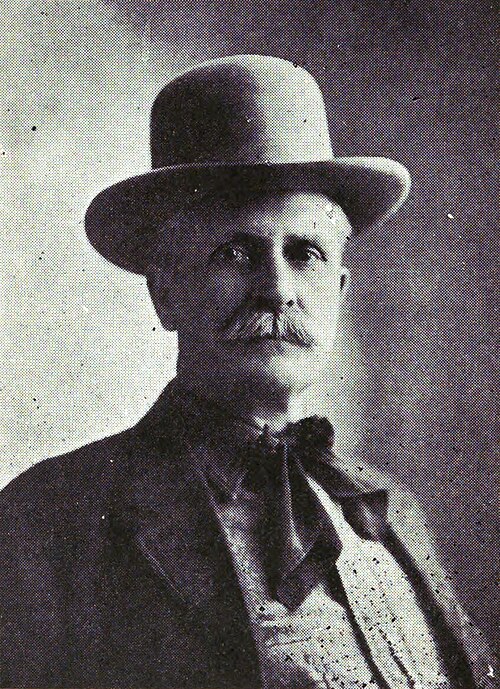
On the evening of 22 August 1962, Lieutenant-Colonel Jean Bastien-Thiry led a carefully planned ambush on the presidential motorcade at Petit-Clamart, south of Paris. Acting under the banner of the Organisation armee secrete (OAS), his team opened fire with automatic weapons as de Gaulle’s car passed, riddling the vehicle with bullets. The president and his wife escaped without injury.

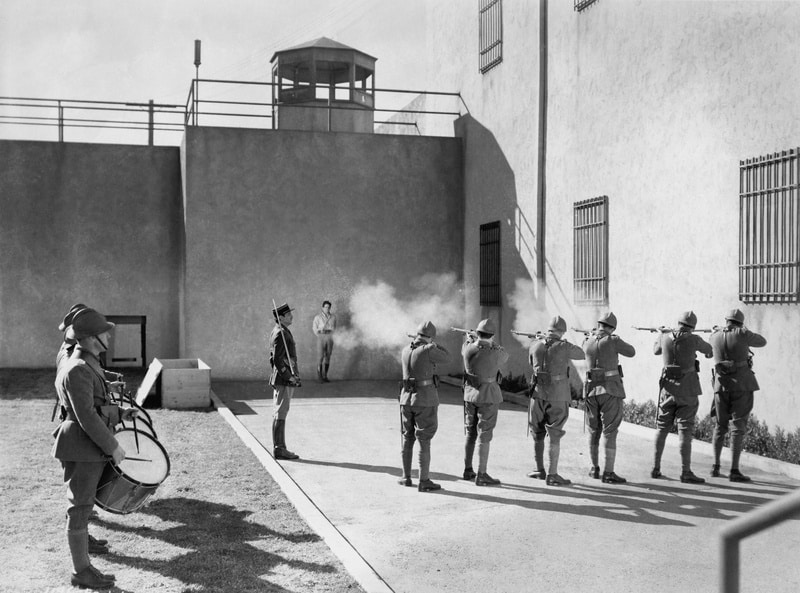
The attack, code-named Operation Charlotte Corday, triggered a massive manhunt that swept up nearly all participants within months. Bastien-Thiry was brought before a military court, where he justified the attempt by declaring de Gaulle a tyrant who had betrayed French Algeria. He was sentenced to death and executed by firing squad in March 1963, the last person to die by that method in France.

Historical firing squad execution scene

⬅ See all events from 22 August

Spread the word on your favourite platform!

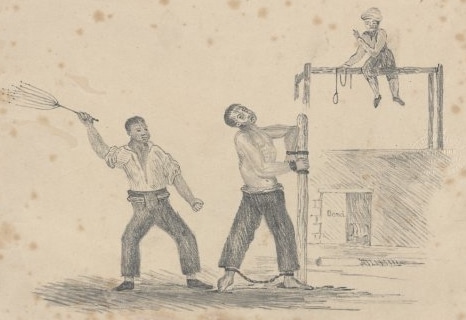
In March 1852, Adolphus Henry Trevethan, a station manager at Rawbell in the Burnett District, was killed during a tense confrontation with a large group of armed men on his property. He had gone out to negotiate and was returning with tobacco and pipes when he came running back, hand pressed to his chest, crying ‘I’m a dead man’ before dying of multiple stab wounds within hours.

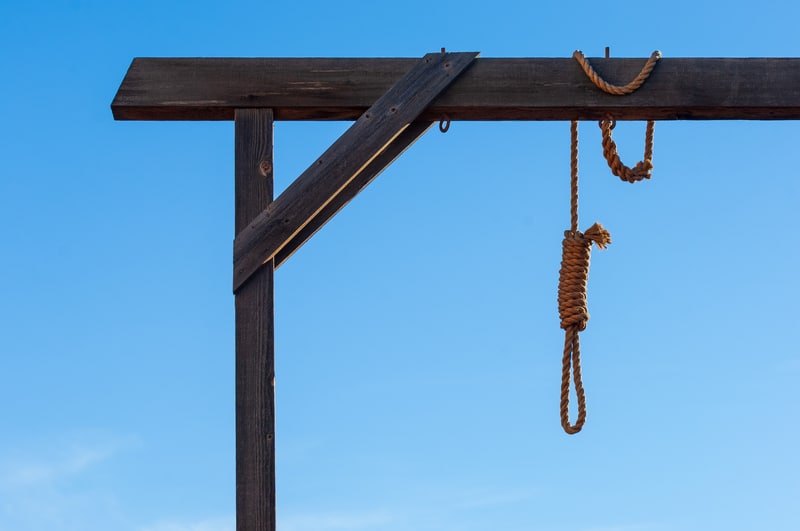
The accused was tried at the Brisbane Circuit Court, where witness James Carney testified against the accused. Found guilty and sentenced to death, the condemned man walked to the scaffold on 22 August 1854, ascending it without resistance and dying without a struggle.

Noose at historic Tombstone courthouse courtyard, Arizona

⬅ See all events from 22 August

Spread the word on your favourite platform!
On This Day in True Crime History

Subscribe to Dark Stories

True crime stories, dark history and tour news, straight to your inbox.