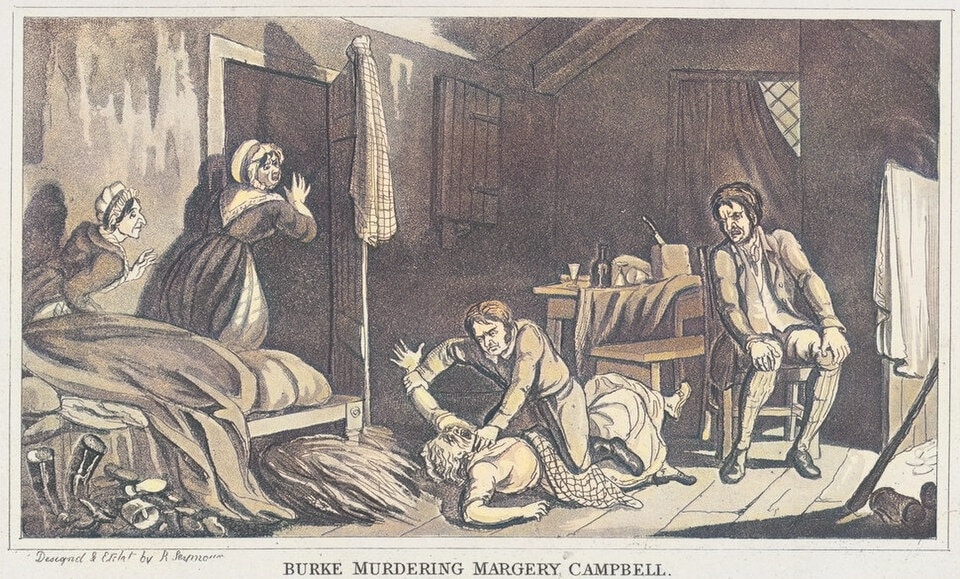
Henry Sherry had formed an attachment to Catherine Waldock, the wife of a neighbouring farmer near the Williams, and proposed they elope together; when she refused, he borrowed a gun and strychnine from a neighbour under the pretence of shooting a hawk. On 16 September 1885 he intercepted her and her two young sons as they walked home from an opossum hunt, led her a short distance away, raised the gun and said “Here goes” before shooting her dead in front of the boys.

The horror deepened once he was found the next morning. Sherry told a neighbour it had all been agreed between them, a pact in which he would kill Catherine and then himself. He claimed to have already swallowed the strychnine and tried to drown himself in a nearby pool, but both attempts failed, “I floated on the top like a corpse.” Resigned to his fate, he said plainly, “I am not going to build up any false hopes; I expect the rope for it.”

Tried and convicted of murder, he was hanged in Perth on this day in 1885. Witnesses described him walking to the scaffold erect and composed, showing almost no sign of fear as the trapdoor fell.

In a letter written to his wife before his death, Sherry acknowledged the “great sin” he had committed and admitted the justice of his sentence.
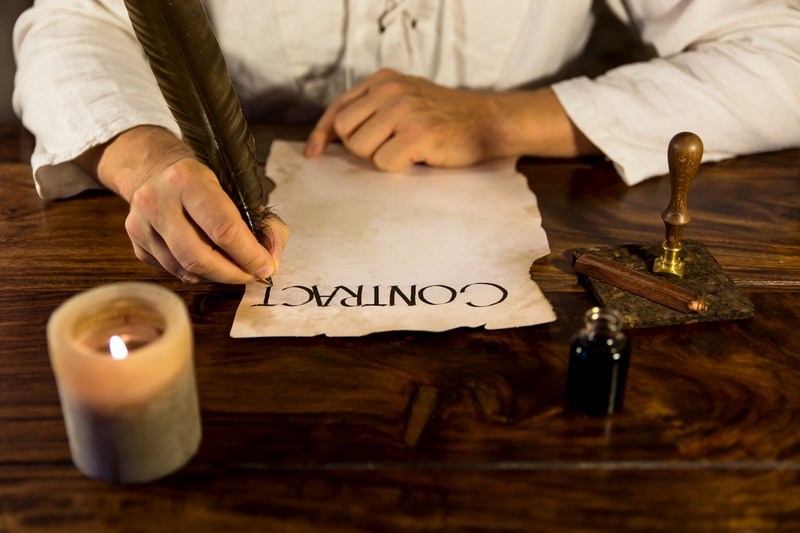

Signing a one sided death pact

⬅ See all events from 27 October

Spread the word on your favourite platform!

Paul Avery had spent months covering the unidentified killer terrorising Northern California for the San Francisco Chronicle, turning his byline into the public face of the investigation. That attention made him a target of the very man he was writing about.

On 27 October 1970, the Zodiac Killer sent a letter addressed directly to Avery, taunting the journalist for the coverage that had made his name synonymous with the case. The killer was never identified, and the letter remains one of the eeriest pieces of correspondence in a case still unsolved more than half a century later.

Symbolism
Symbolism – Zodiac Serial Killer Mystery

⬅ See all events from 27 October

Spread the word on your favourite platform!

Abraham Munday, a shepherd working the east coast of Tasmania near Swansea, laced a rival shepherd’s flour with arsenic, hoping to kill George White. White survived only because the dose was so large it made him vomit it back up. An old man named Hamilton, who happened to share a piece of the poisoned bread while visiting the hut, was not so fortunate: the arsenic settled in his joints and left him crippled for life.

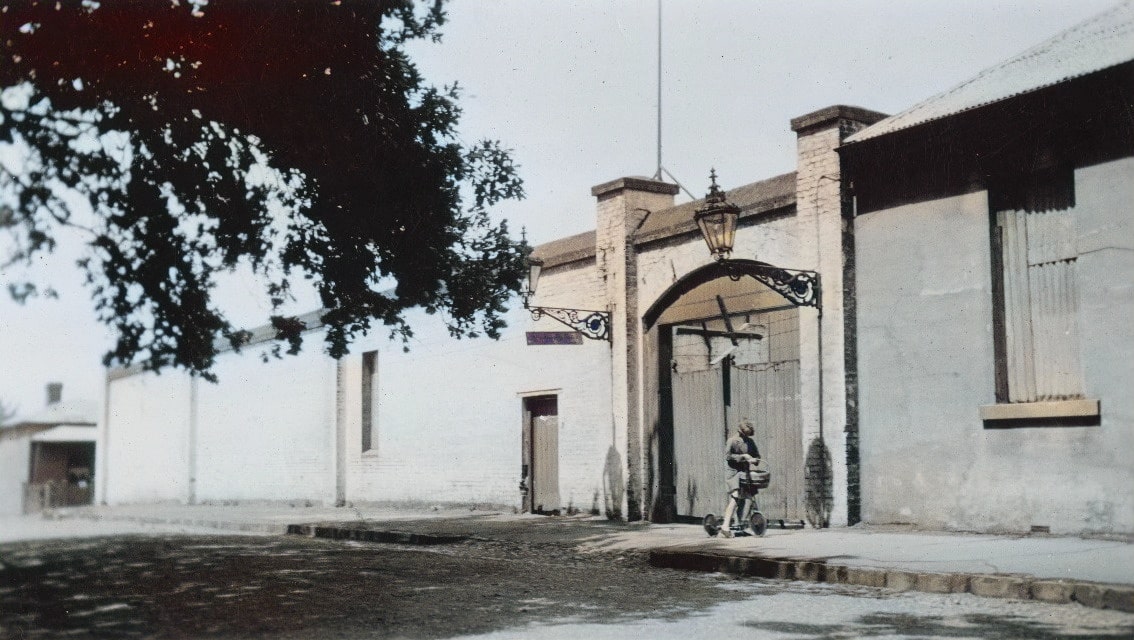
Munday was convicted and sentenced to death. He was hanged within the gaol at Oatlands on this day in 1857, and went to the scaffold badly shaken, not only by his fate but because the clergyman who had attended him in his final days, the Reverend Mr Ison, refused to walk up to the drop with him.

Antique apothecary poison bottle

⬅ See all events from 27 October

Spread the word on your favourite platform!

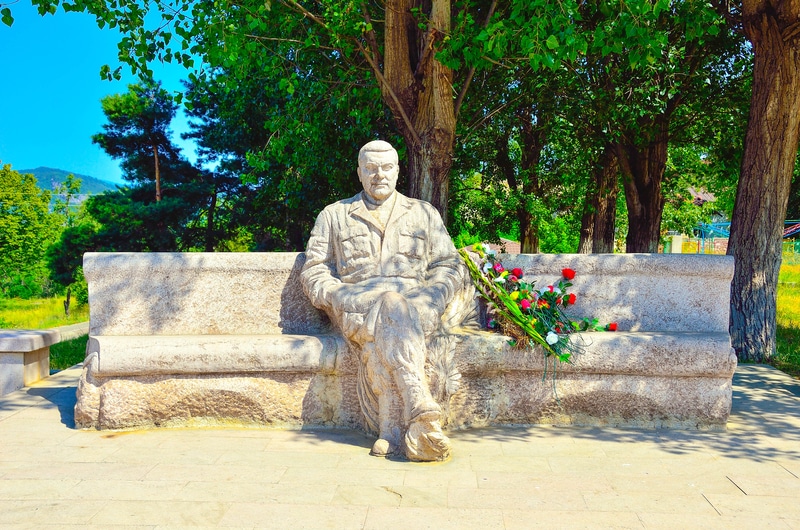
Armed men burst into a session of the Armenian National Assembly and opened fire on the chamber, killing the country’s prime minister, Vazgen Sargsyan, and the Speaker, Karen Demirchyan, along with six other officials. The attack unfolded in front of television cameras broadcasting the sitting live, and the gunmen later claimed they were staging a coup with the prime minister as their target.

Armenian troops surrounded the parliament building and began negotiations as the gunmen held hostages inside. After a tense standoff on this day in 1999, the attackers surrendered without further bloodshed, leaving the nation to reckon with the loss of its top two leaders in a single afternoon.

Bust of Vazgen Sargsyan in Shushi Artsakh Armenia | ID 229264273 © Kar881am | Dreamstime.com
ID 229264273 © Kar881am | Dreamstime.com

⬅ See all events from 27 October

Spread the word on your favourite platform!
On This Day in True Crime History

Subscribe to Dark Stories

True crime stories, dark history and tour news, straight to your inbox.