Archives: Dark Stories: On This Day In True Crime History
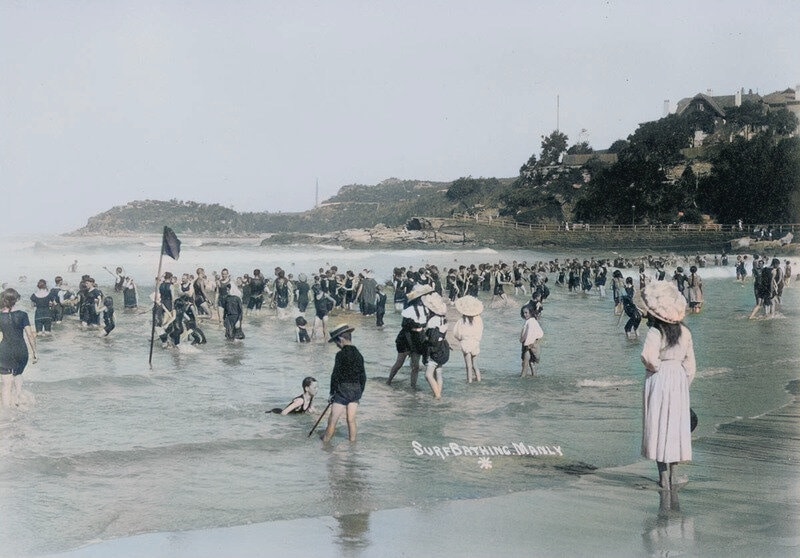
Daylight ocean bathing was a punishable offence on Sydney’s beaches at the turn of the century, with Manly Council enforcing strict hours on when the public could enter the surf. The rule existed to police modesty rather than safety: women’s swimming costumes covering neck to knee were already considered scandalous in mixed company, while men swam nude in some spots without issue.
The council finally abandoned the restriction on this day in 1903, quietly ending decades of fining and shaming bathers for swimming under the sun. It was a small bureaucratic reversal that opened the way for the beach culture that would come to define the city.
Ralph Entwistle was a transported labourer assigned to a farm near Bathurst when he and a fellow convict stopped to cool off in the Macquarie River after a long cart journey. Governor Ralph Darling’s touring party happened to pass by, and though Darling had not even seen the incident, the local magistrate had both men flogged for the affront. Within a year the humiliated Entwistle had turned bushranger, building a band that swelled to as many as 80 men, the largest convict uprising in New South Wales since 1804, known as the Ribbon Gang for the white streamers he wore in his hair.
The rebellion turned deadly when the gang descended on a farm seeking revenge on the magistrate who had ordered the floggings. The overseer, James Greenwood, refused to free the farm’s convict servants and bared his chest, daring the bushrangers to shoot, telling them they were not game enough. Entwistle and two others fired, killing him instantly.
Weeks of gun battles with troopers and soldiers followed before the gang was run down and captured. On 2 November 1830, ten of the bushrangers, including Entwistle, were publicly hanged at Bathurst, six for Greenwood’s murder and four for plundering farmhouses. Their bodies were left on display for a day as a warning before being buried in two mass graves of five.
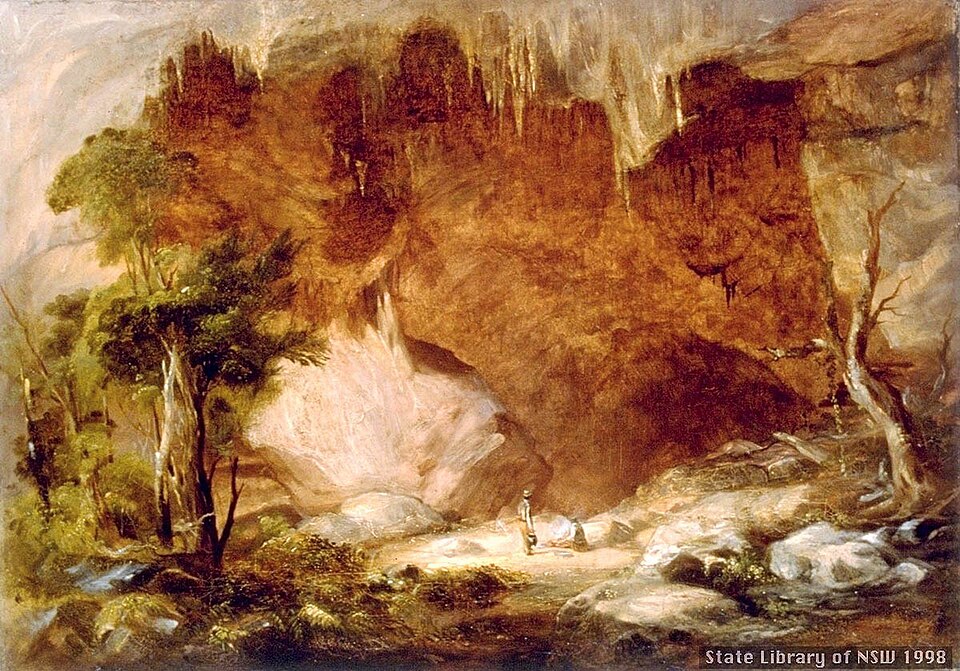
Abercrombie Caves: Burrangalong Cavern, Rockbridge Creek, 1849 / oil painting by Conrad Martens
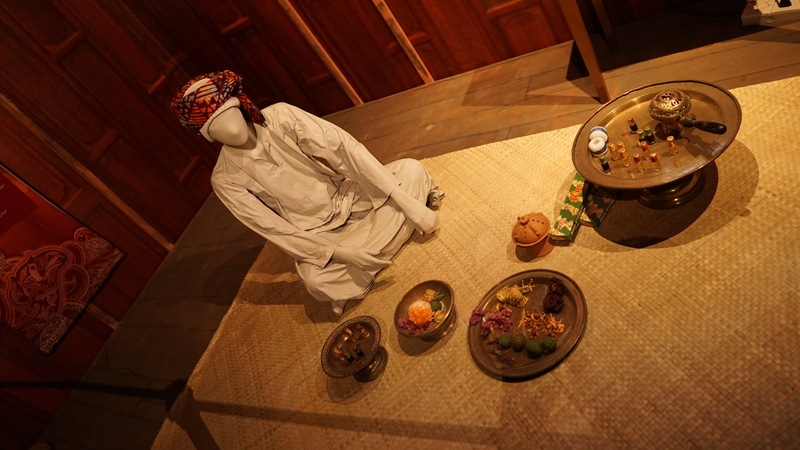
Mona Fandey’s pop career never took off, so she and her husband reinvented themselves as sought after bomohs, trading in talismans and black magic for wealthy clients chasing power. In 1993 a state politician named Mazlan Idris paid them a fortune for a talisman said to once belong to an Indonesian president, convinced it would carry him to higher office. Instead he was led to a house for a ritual cleansing, told to lie down and wait for a mysterious voice to speak, and never left alive.
Their assistant admitted striking the fatal blow with an axe, claiming he was following orders. Mazlan’s body was cut into eighteen pieces and buried under cement, while Mona spent the following days on a cash fuelled shopping spree, a new Mercedes among the purchases. At trial she arrived each day in bright, theatrical outfits, smiling for photographers as though finally enjoying the fame her singing career never gave her. All three were convicted and sentenced to death.
Mona, her husband and their assistant were hanged together at Kajang Prison near Kuala Lumpur on this day in 2001. Prison officials said the trio showed no remorse, and Mona reportedly smiled on the gallows and declared, “I will never die.”
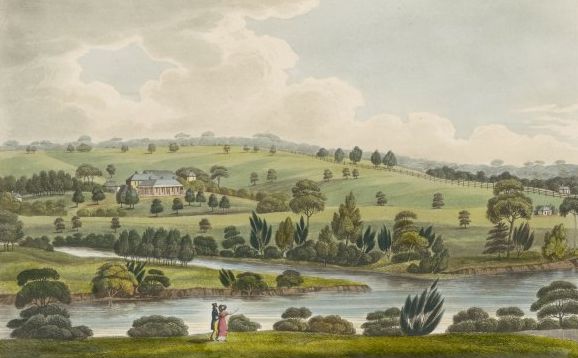
Ten convicts, under armed marine escort, set out from Sydney Cove on this day in 1788, bound for a patch of ground at Rose Hill that would later grow into Parramatta. The fledgling colony was starving, its soil poor and its supply ships overdue, and this small, closely guarded party of prisoners carried the desperate hope that convict labour could turn the land self-sufficient before famine finished what the sea voyage had not.
There was no trial, no sentence, no scaffold in this story, only a gamble: that men transported for crimes in Britain could be made into the farmers who would keep an entire penal settlement alive. The ground they broke at Rose Hill became the first successful crops grown on the continent under British rule, and the settlement they built outgrew the colony that sent them there.