1971: Four Days of Rebellion: the Attica Prison Riot Leaves 39 Dead

On September 9, 1971, inmates at Attica Correctional Facility in New York seized control of the prison, taking dozens of guards and staff hostage in protest over brutal conditions, overcrowding, and demands for basic political and civil rights. For four days the prisoners held the yard, negotiating with officials and issuing a list of demands broadcast to the watching public.

On September 13, on the order of Governor Nelson Rockefeller, state troopers and police stormed the facility, opening fire on inmates and hostages alike. By the time the smoke cleared, 39 people were dead, including ten hostages, most killed not by prisoners but by the retaking force’s own gunfire.

The riot remains one of the deadliest prison uprisings in American history and exposed the brutal conditions inside Attica, triggering decades of lawsuits, investigations, and a landmark settlement for survivors and victims’ families.
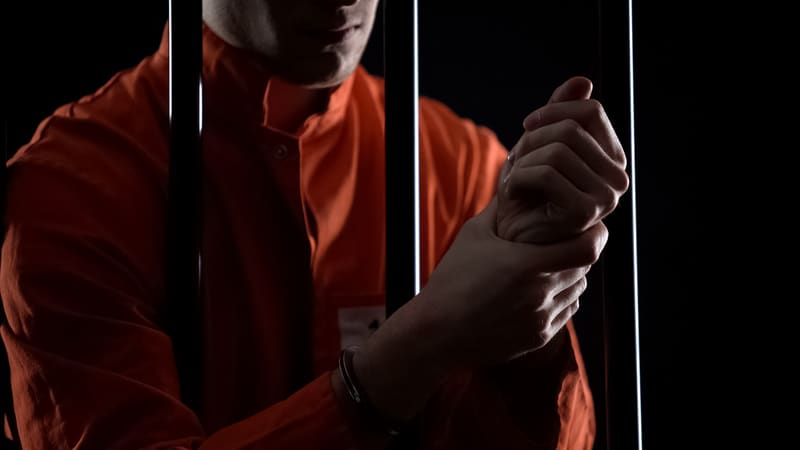

Prison Inmate
Prison Inmate

⬅ See all events from 9 September

Spread the word on your favourite platform!

1974: Gerald Ford Pardons Richard Nixon for Any Crimes Committed in the Watergate Scandal

On September 8, 1974, President Gerald Ford granted former President Richard M. Nixon a full and unconditional pardon, covering any federal crimes he may have committed while in office during the Watergate scandal. The pardon came just a month after Nixon resigned the presidency on August 9, 1974, the first US president to do so, and it meant Nixon would never face criminal prosecution or trial over the affair.

Ford’s decision was hugely controversial, drawing accusations that a secret deal had been struck to spare Nixon accountability, and it is widely believed to have cost Ford the 1976 presidential election. No charges were ever brought against Nixon, and the pardon remains one of the most debated presidential acts in American history.

President Richard Nixon made of Wax. Wax figure Richard Nixon reading documents with american flag at desk | ID 59298060 © Lequint | Dreamstime.com
ID 59298060 © Lequint | Dreamstime.com

⬅ See all events from 8 September

Spread the word on your favourite platform!

1876: A Cashier’s Refusal Dooms the Jesse James-Younger Gang at Northfield, Minnesota

On September 7, 1876, the Jesse James-Younger Gang rode into Northfield, Minnesota, intending to rob the First National Bank. Inside, cashier Joseph Lee Heywood refused to open the safe even as a revolver was pressed to his head and he was pistol-whipped; he was shot dead at his desk for his defiance, having falsely claimed the safe was on a time lock.

Outside, armed townspeople grabbed rifles and shotguns and opened fire from doorways and windows along the main street. Two of the raiders, Clell Miller and William Stiles, were killed in the street, and several others were wounded before the surviving gang members fled empty-handed.

A massive manhunt followed through the Minnesota countryside. Jesse and Frank James eventually broke away and escaped, but Cole, Jim and Bob Younger were tracked down two weeks later, badly wounded, and captured. The disastrous raid effectively destroyed the gang as a fighting unit and ended its run of successful robberies.

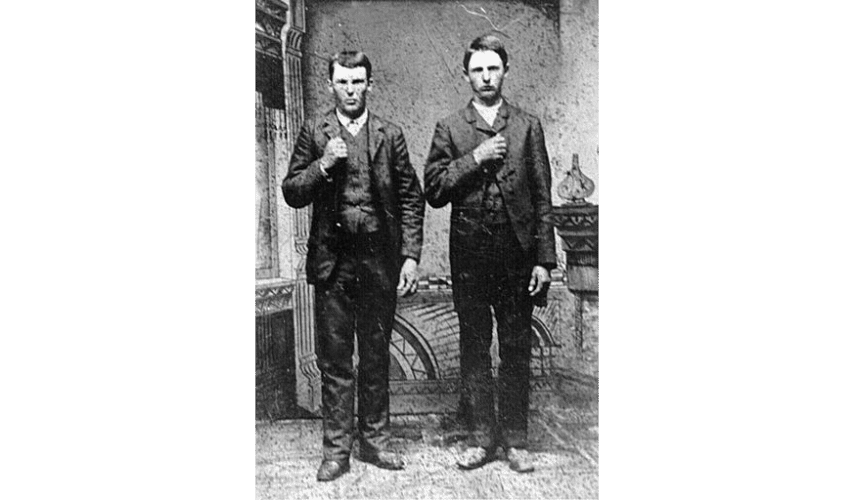
Jesse and Frank James

⬅ See all events from 7 September

Spread the word on your favourite platform!

1974: An Extra Femur Bone: the Discovery That Revealed a Third Victim of Ted Bundy

Hunters searching brush near Interstate 90 in Issaquah, Washington, about one mile from Lake Sammamish State Park, stumbled on fragmented human remains scattered across the ground. Forensic examination identified them as Janice Ott and Denise Naslund, two young women who had vanished from the park on the same afternoon in July 1974 after a man with his arm in a sling, calling himself Ted, asked each separately for help loading a boat onto his car.

Among the bones was one extra femur that did not belong to either woman. It was later attributed to Georgeann Hawkins, a University of Washington student who had disappeared weeks earlier while walking a short alley between her boyfriend’s dormitory and her sorority house, her body never otherwise found.

The discovery helped investigators connect a string of disappearances across Washington and Utah to the same killer, Ted Bundy, whose calm, disarming manner and use of a fake injury to lure victims would become one of the most chilling signatures in American criminal history.

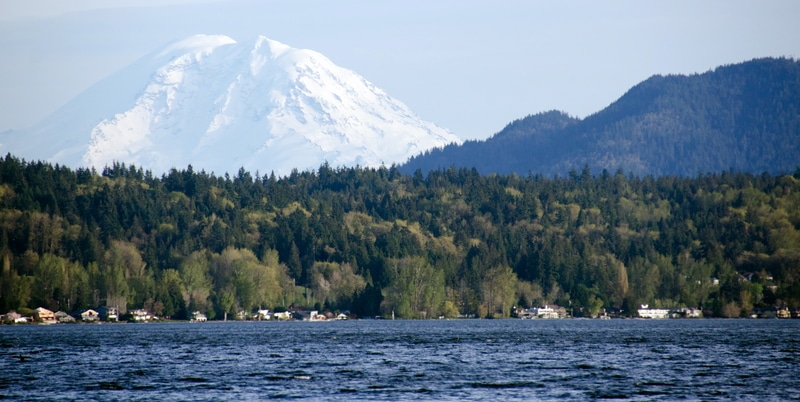
Sammamish Lake and Mount Rainier in background near Seattle

⬅ See all events from 7 September

Spread the word on your favourite platform!
On This Day in True Crime History

Subscribe to Dark Stories

True crime stories, dark history and tour news, straight to your inbox.