1869: Wild Bill Hickok Shoots Cowboy Dead During Saloon Disturbance

At about one o’clock on the morning of 27 September 1869, Sheriff “Wild Bill” Hickok and his deputy responded to a disturbance at John Bitter’s Beer Saloon in Hays City, Kansas. A cowboy named Samuel Strawhun and several drunken companions were reportedly damaging the saloon. During the confrontation, Strawhun made remarks against Hickok, who shot him through the head, killing him.

Hickok maintained that he had been trying to restore order. Despite conflicting witness accounts, a jury at the coroner’s inquest ruled the shooting justifiable. Strawhun was the second man Hickok had killed during his first month as sheriff.
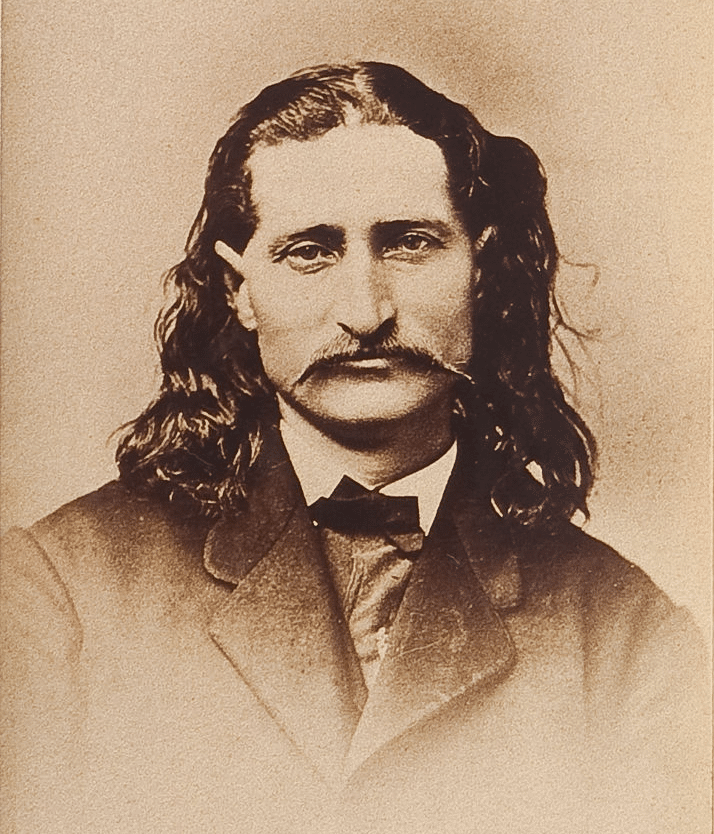

Sepia portrait of Wild Bill Hickok

⬅ See all events from 27 September

Spread the word on your favourite platform!

1964: The Warren Commission Declares Lee Harvey Oswald the Lone Gunman in the Kennedy Assassination

On September 27, 1964, the Warren Commission delivered its report on the assassination of President John F. Kennedy, concluding after a ten month inquiry that Lee Harvey Oswald acted alone in firing the shots that killed the president in Dallas on November 22, 1963.

The commission, chaired by Chief Justice Earl Warren and formed by executive order of President Lyndon Johnson, found no evidence of a conspiracy, foreign or domestic, and determined that Jack Ruby likewise acted alone when he shot Oswald dead two days after the assassination while Oswald was in police custody.

The report's single bullet theory, used to explain the wounds suffered by both Kennedy and Texas Governor John Connally from one shot, became the most disputed element of the findings and fueled decades of public skepticism and rival conspiracy theories that persist to this day.

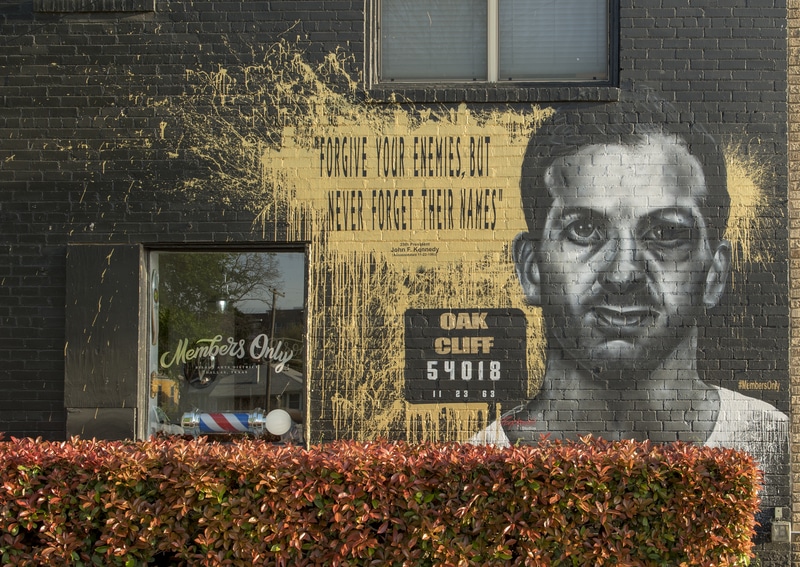
Lee Harvey Oswald Mural, Bishop Arts District, Dallas, Texas. Pictured is a mural on the side of the Members Only barber shop in the Bishop Arts District, Dallas, Texas. It features Lee Harvey Oswald, the man who assassinated president John F. Kennedy on November 22, 1963. He was arrested a short time later in the Texas Movie Theatre in Oak Cliff. It was painted by renowned Dallas muralist, Theo Ponchaveli. The Bishop Arts District is a small shopping and entertainment district in north Oak Cliff, immediately southwest of Downtown Dallas. It was originally developed as warehouses and shops in the 1920s. | ID 112938931 © David Pillow | Dreamstime.com
ID 112938931 © David Pillow | Dreamstime.com

⬅ See all events from 27 September

Spread the word on your favourite platform!

1969: The Zodiac Killer Leaves His Own Scorecard Written on a Victim's Car Door

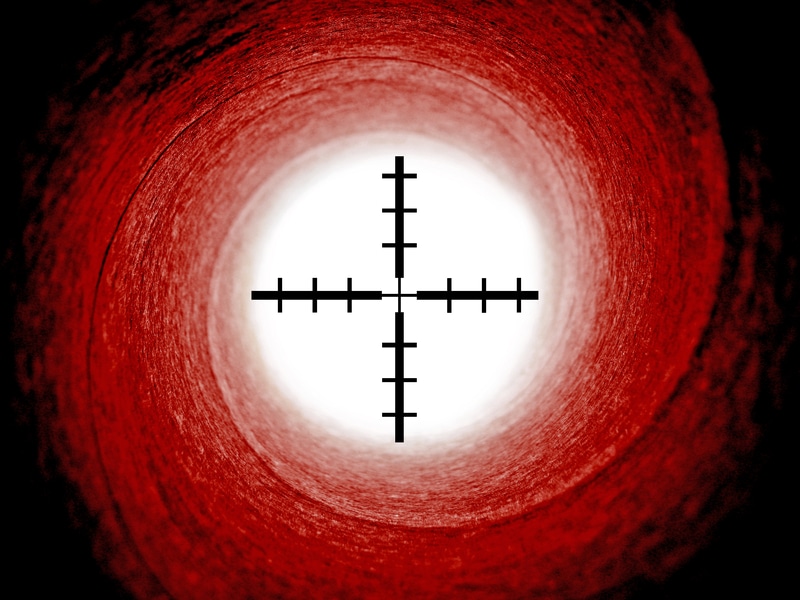
On September 27, 1969, at about 6.30 pm, the Zodiac Killer attacked Bryan Hartnell, 20, and Cecelia Shepard, 22, as they picnicked at Lake Berryessa in Napa County, California. He wore a black hooded costume marked with his crosshair symbol and, breaking from the shootings of his earlier attacks, stabbed both victims repeatedly. Hartnell survived; Shepard died two days later.

Before leaving, the killer used a black felt-tip pen to draw his crosshair signature on Hartnell's car door, then listed beneath it the dates and locations of his previous attacks: Vallejo, 12-20-68, 7-4-69, and the day's own assault, 6:30, by knife. The first date referred to the killing of David Faraday, 17, and Betty Lou Jensen, 16, on Lake Herman Road, and the second to the shooting of Michael Mageau, 19, and Darlene Ferrin, 22, in a Vallejo park, where Mageau survived and Ferrin died.

The note tied all three attacks together in the killer's own hand at the scene, before any letter to police or press had been sent. He then drove roughly 27 miles to a car wash in downtown Napa and, from a payphone, calmly called the Napa County Sheriff's Department himself at 7.40 pm to report the crime.

Symbolism
Symbolism

⬅ See all events from 27 September

Spread the word on your favourite platform!

1901: President McKinley's Killer Sentenced to Death After Jury Deliberates Barely an Hour

Leon Czolgosz shot President William McKinley on 6 September 1901 at the Pan-American Exposition in Buffalo, New York, firing two shots from a revolver he had concealed inside a handkerchief. McKinley lingered for eight days before dying of his wounds on 14 September.

Czolgosz's trial opened on 23 September. The jury took less than an hour to find him guilty, and on 26 September he was sentenced to death. He was executed in the electric chair at Auburn Prison on 29 October 1901, and prison officials later poured acid into his coffin to prevent the grave becoming a shrine.

Czolgosz showed no remorse for the killing. From the scaffold he declared, "I killed the President because he was the enemy of the good people, the good working people. I am not sorry for my crime."

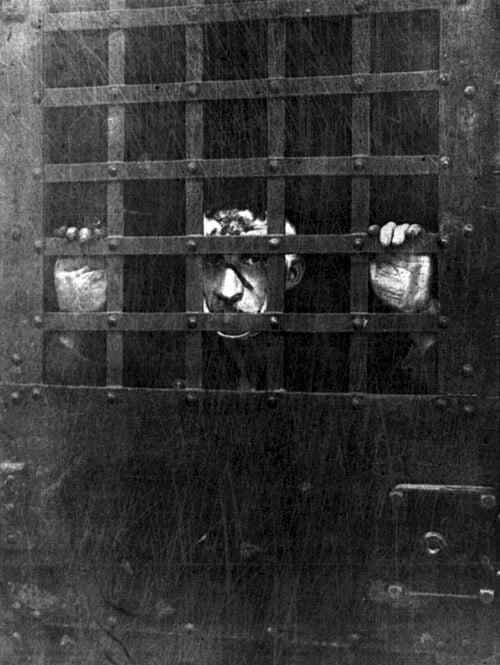
Leon F Czolgosz in Jail

⬅ See all events from 26 September

Spread the word on your favourite platform!
On This Day in True Crime History

Subscribe to Dark Stories

True crime stories, dark history and tour news, straight to your inbox.