1977: The Hillside Stranglers Claim Their First Victim in Los Angeles

Nineteen-year-old Yolanda Washington was last seen getting into a car near a Los Angeles intersection one October evening in 1977. The next morning her body was found on a hillside near the Ventura Freeway, the first known victim of the killers soon dubbed the Hillside Stranglers.

Her killers were cousins Kenneth Bianchi and Angelo Buono, who had lured her with the promise of a ride before attacking and strangling her. Washington, who worked as a waitress and sometimes turned to sex work, was the opening victim in a killing spree that would terrorise the city for months before the cousins were finally caught.
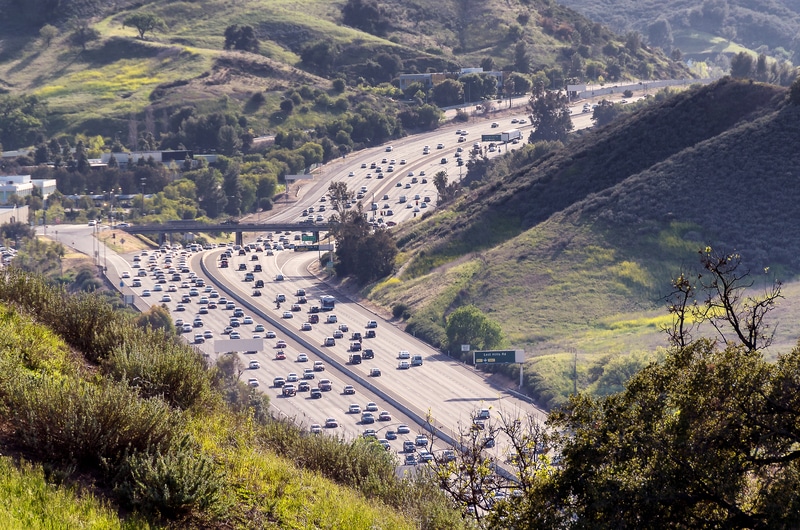

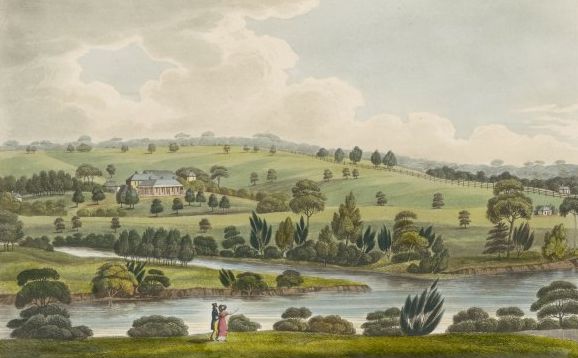
Aerial view of rush hour traffic on the 101 Ventura Freeway
Hillside Strangler: Aerial view of rush hour traffic on the 101 Ventura Freeway

⬅ See all events from 18 October

Spread the word on your favourite platform!

1931: The Tax Case That Brought Down Al Capone: 11 Years for the Most Famous Gangster in America

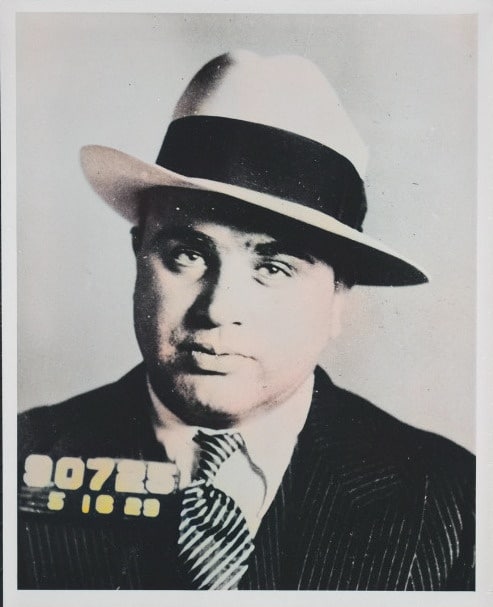
He had survived gang wars, bribery and a carefully built image as a Robin Hood of the Chicago slums, but it was not a murder charge that finally caught Al Capone. Federal prosecutors built a case not on bootlegging or bloodshed but on unpaid taxes, a paper trail he had never bothered to hide.

When the original jury pool was found to have been tampered with, the judge swapped it out entirely on the morning of the trial, stripping away whatever quiet deals Capone’s men had arranged in advance. The replacement jurors heard days of complex financial testimony, then took just nine hours to convict. On 17 October 1931, Capone was sentenced to 11 years in federal prison, the longest tax evasion sentence ever handed down to that point, ending the public myth with a ledger rather than a gun.

Al Capone, Philadelphia, 16 May 1929. U.S. National Archives, NAID 24520406. Use unrestricted.

⬅ See all events from 17 October

Spread the word on your favourite platform!

2002: The Steamer Trunk in the Closet: Ira Einhorn Convicted of Murdering Holly Maddux

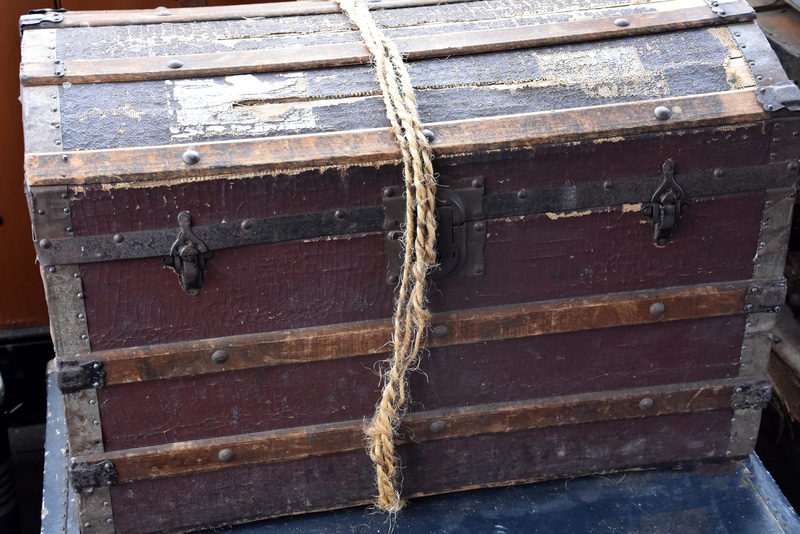
In 1979, Philadelphia police searching Ira Einhorn’s apartment found a locked steamer trunk shoved into a closet; inside were the mummified remains of his former girlfriend, Holly Maddux, missing for more than a year. Einhorn, a charismatic countercultural figure known as the Unicorn Killer, fled the country before trial and spent nearly two decades hiding in Europe before he was finally captured in France.

Extradited to the United States, Einhorn stood trial in 2002 and took the stand in his own defense, insisting CIA agents had killed Maddux and framed him. The jury took just two hours to convict him of first-degree murder, and he was sentenced the following day to life in prison without the possibility of parole.

Vintage steamer trunk with secrets locked up tight.

⬅ See all events from 17 October

Spread the word on your favourite platform!

1912: It Takes More Than That to Kill a Bull Moose: the Shooting of Theodore Roosevelt in Milwaukee

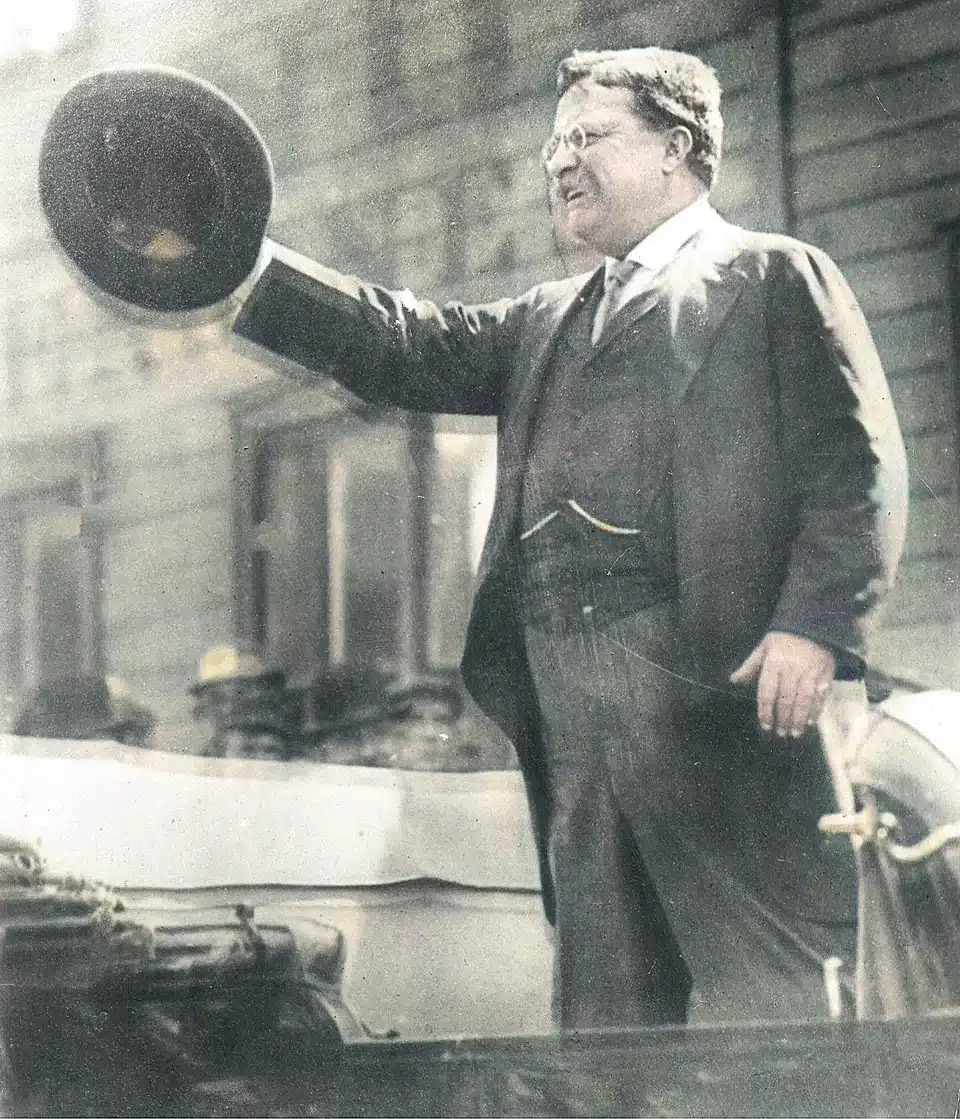
Theodore Roosevelt was climbing into his car in Milwaukee on 14 October 1912, campaigning for a third term as president, when a former saloonkeeper named John Schrank stepped from the crowd and shot him in the chest. The bullet had already been slowed by a folded steel glasses case and a fifty page speech manuscript in his breast pocket before it lodged in his chest muscle.

With the crowd turning on the gunman, Roosevelt shouted for Schrank to be left unharmed and handed to police. Then, bleeding and reasoning from his own hunting experience that he was not coughing blood and so his lung was untouched, he refused hospital treatment and walked onto the stage. He opened his address with the line that followed him ever after: “It takes more than that to kill a bull moose.” He spoke for roughly ninety minutes before finally agreeing to see a doctor. Surgeons judged the bullet too close to vital organs to remove, and Roosevelt carried it in his chest for the rest of his life.

Theodore Roosevelt speaking from a car shortly before being shot in 1912.

⬅ See all events from 14 October

Spread the word on your favourite platform!
On This Day in True Crime History

Subscribe to Dark Stories

True crime stories, dark history and tour news, straight to your inbox.