1975: "Pee Wee" Gaskins Arrested After His Best Friend Turned Informer

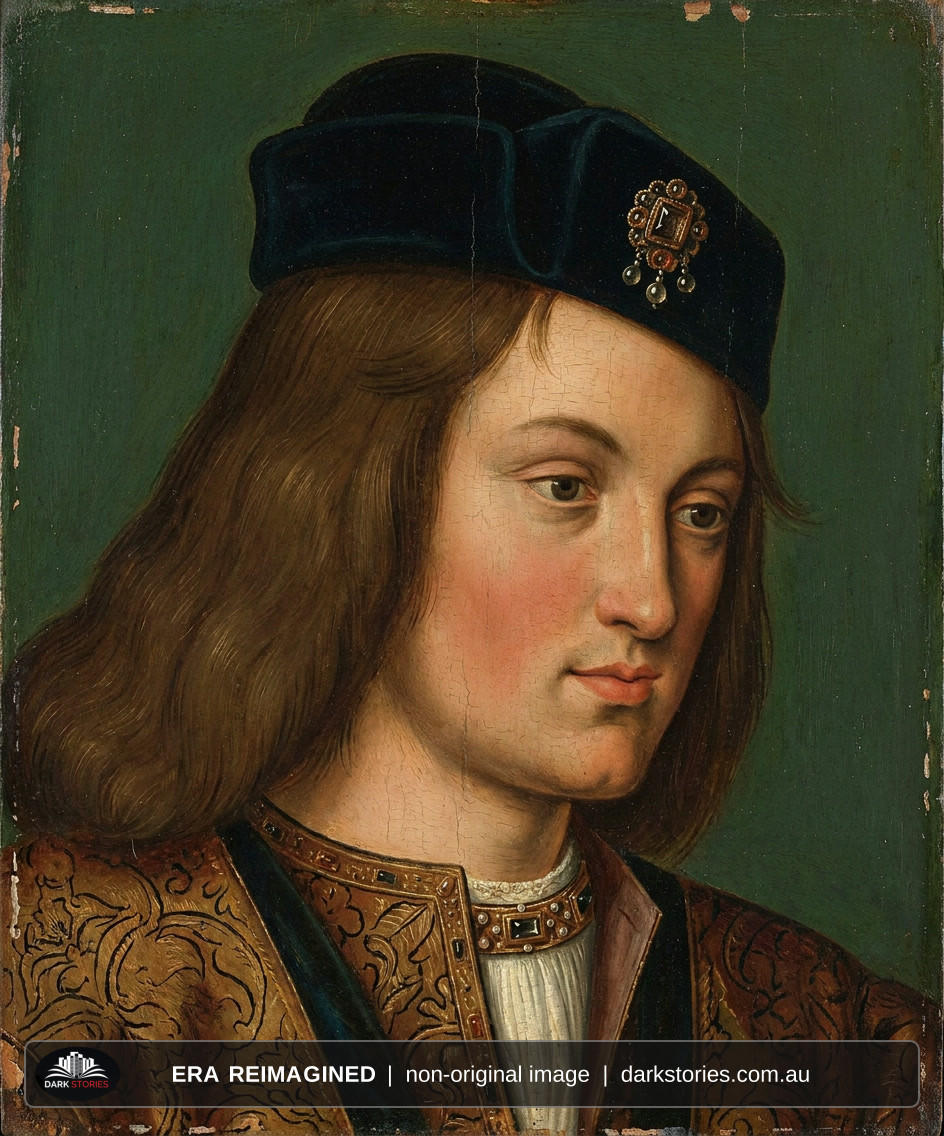
Donald Henry "Pee Wee" Gaskins was a wiry, affable con man already notorious across South Carolina's criminal underworld when his closest friend decided he had had enough. Walter Neeley had listened for years as Gaskins boasted of people who had simply vanished, and had even been shown where some of them were buried, including, Neeley came to suspect, his own sister.

On 10 October 1975, Gaskins lured Dennis Bellamy into the woods behind his trailer home with a promise to return stolen guns, then shot him in the back of the head. Minutes later he killed Bellamy's teenage half-brother the same way, to make sure neither could talk.

Neeley could stay silent no longer. On this day in 1975 he went to police and confessed what Gaskins had told him about the killings, triggering Gaskins's arrest. Three weeks later, Neeley led investigators to land near the family home, where police dug up eight more bodies.
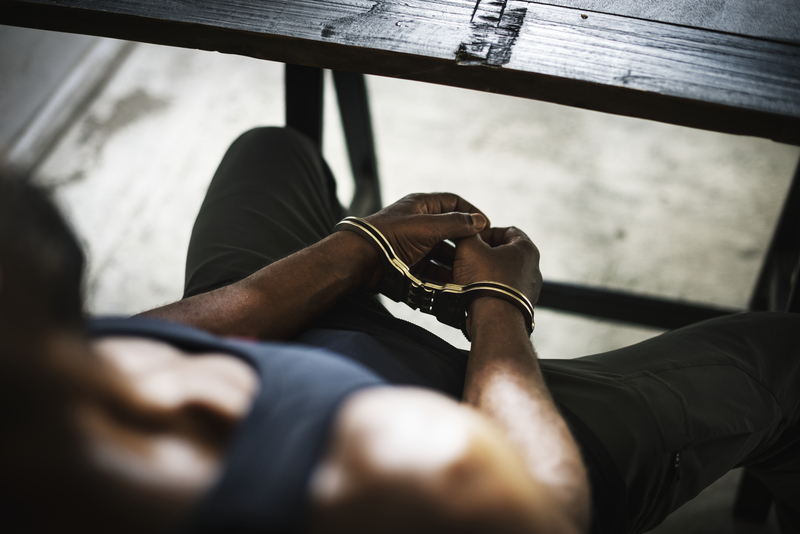

Arrested
Arrested

⬅ See all events from 14 November

Spread the word on your favourite platform!

1878: Amnesty for the Lincoln County War, but Not for Billy the Kid

Governor Lew Wallace tried to end the bloodiest feud in New Mexico Territory with the stroke of a pen, offering amnesty to most of the gunmen who had fought through the Lincoln County War. The conflict had pitted rival business factions against each other in a running gun battle that drew in ranchers, lawmen and hired shooters alike, leaving the territory desperate for a way out.

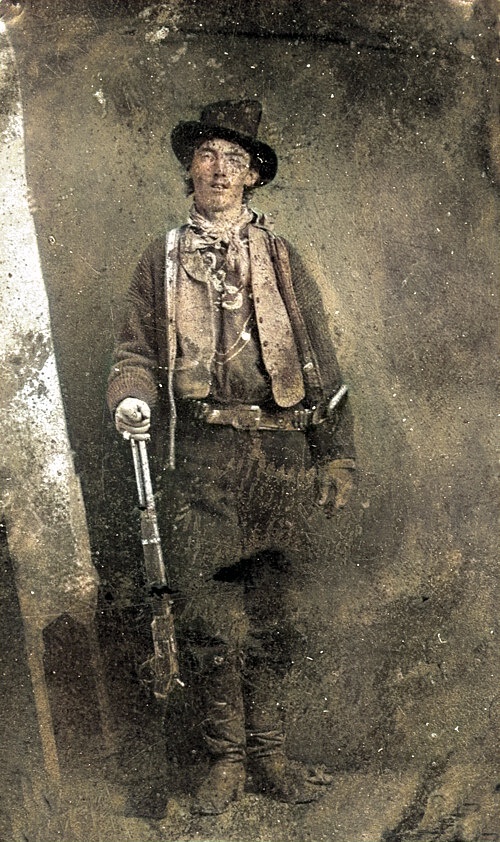
On this day in 1878, Wallace issued his proclamation, pardoning participants for crimes committed during the war, with one deliberate exception. Billy the Kid, who had ridden with the losing faction and was wanted for multiple killings during the conflict, was named and excluded by the governor himself.

The decision set the young gunfighter on a path that amnesty might otherwise have closed, and within three years he would be hunted down and killed by Sheriff Pat Garrett, his legend only growing in the telling.

Billy the Kid outlaw

⬅ See all events from 13 November

Spread the word on your favourite platform!

1974: The Real Crime Behind The Amityville Horror: Ronald DeFeo Jr. Shot His Entire Family

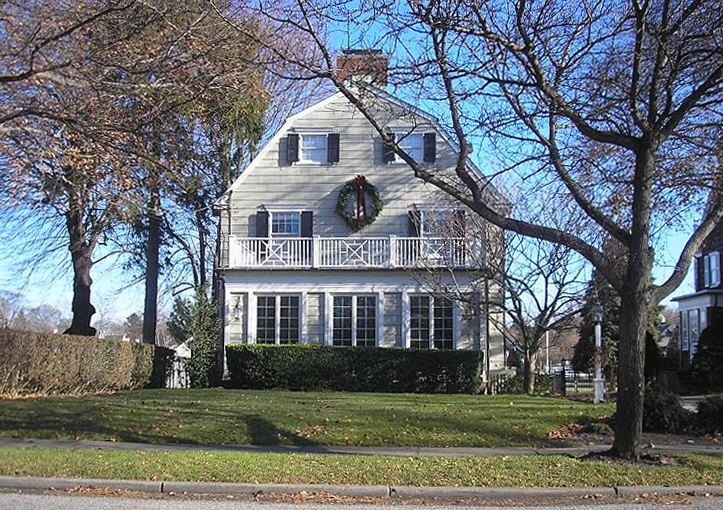
The house at 112 Ocean Avenue in Amityville, New York, is known today as the setting for The Amityville Horror, the famous haunted house film. Its true horror came first, inside those same walls, on 13 November 1974, when 23 year old Ronald DeFeo Jr walked through the house at night and shot his parents and four younger siblings as they slept, killing all six.

DeFeo told police the family had been murdered by a mob hitman, but he broke down within hours and confessed to all six killings himself. He said that once he started firing he simply could not stop, and that his real motive was money: he wanted his father's life insurance and business fortune for himself.

The murders left the house empty and infamous long before the next family who lived there claimed it was haunted, a story that became the basis for the film and its legend.

The Amityville house

⬅ See all events from 13 November

Spread the word on your favourite platform!

1941: Six Cops Guarded Him, and He Still Went Out the Window: the Death of Mob Informant Kid Twist

Abe "Kid Twist" Reles had already done the unthinkable: he turned on Murder Inc., the Brooklyn killing squad for organised crime, and his testimony was sending its hitmen to the chair. In protective custody at Coney Island's Half Moon Hotel, he was never meant to be alone. Six police officers were stationed to guard him around the clock.

On this day in 1941, Reles was found dead on a hotel rooftop extension, having fallen from his sixth floor window. Bedsheets were found knotted below the sill, as though he had tried to climb down to another floor, but detectives found the story impossible to square with a man who held the key to half a dozen murder prosecutions. The verdict returned was accidental death.

No one was ever charged over how he went out that window, and the cases he had built collapsed without him. Reles took whatever he knew about his own fall to the grave.

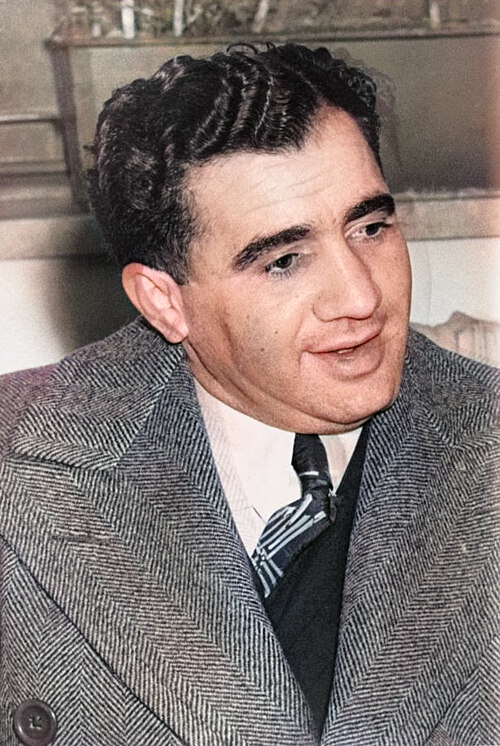
Abe Reles, c. 1930–1941. Photograph by Al Aumuller / New York World-Telegram & Sun. Library of Congress, Prints and Photographs Division

⬅ See all events from 12 November

Spread the word on your favourite platform!
On This Day in True Crime History

Subscribe to Dark Stories

True crime stories, dark history and tour news, straight to your inbox.