1908: The Slowest Death: a Perth Stepmother’s Acid Poisoning Spree Claims a Third Child

Arthur Morris was the last of three children to die after his stepmother, Martha Rendell, began swabbing their throats with hydrochloric acid at the family home in East Perth, Perth. His two sisters had died the previous year from the same treatment, disguised as a cure for diphtheria. Arthur, 15, suffered for months before he finally succumbed in 1908.

A doctor who had treated the boy, suspicious of the family’s string of throat deaths, requested an autopsy. The first examination found nothing to tie Rendell to the deaths, and she would remain free a while longer before the full truth of her method finally emerged.
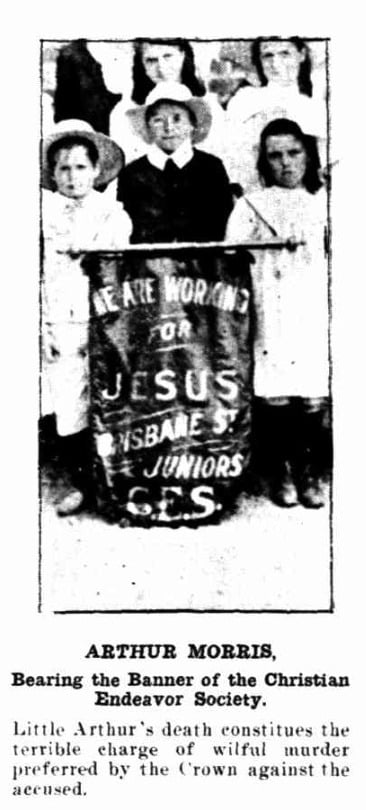

Arthur Morris, a prize-winning essayist, was poisoned to death two years before his death.

⬅ See all events from 8 October

Spread the word on your favourite platform!

1803: Masked Robbers Bound a Family and Threatened to Drown Them for Money They Did Not Have

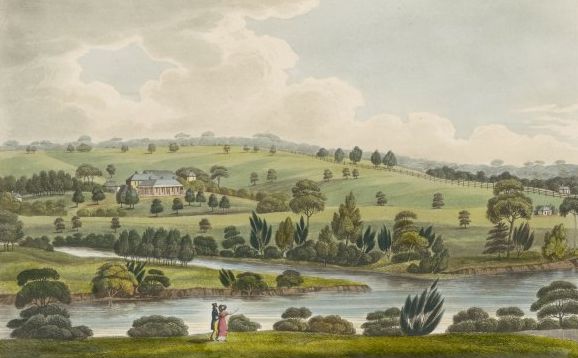
One night in May 1803, two masked men forced their way into the Hawkesbury home of Charles Palmer and his wife, clubbing both with the handle of an axe until Palmer lay senseless for two hours. They ransacked the house for money, bound the family and a child, and warned they would throw them into the river if the cash they insisted did not exist was not handed over.

Stolen clothing later surfaced in the household of a woman who said it had been given to her to mend for Thomas McLaughlane the elder and his son. Both men were convicted and sentenced to death, but only the elder went to the gallows at Hawkesbury; of eight men condemned that session he was the third actually hanged, the rest reprieved into transportation for life.

At his trial the elder McLaughlane claimed the stolen goods had come from an informer already giving evidence in another case, a claim the informer flatly denied. On the scaffold he said nothing more, meeting his end, witnesses noted, with quiet decency.

Hand of a drowning man reaching above the sea surface

⬅ See all events from 7 October

Spread the word on your favourite platform!

1854: The Suspicious Acquittal That Set a Ballarat Pub Ablaze and Lit the Fuse for the Eureka Stockade

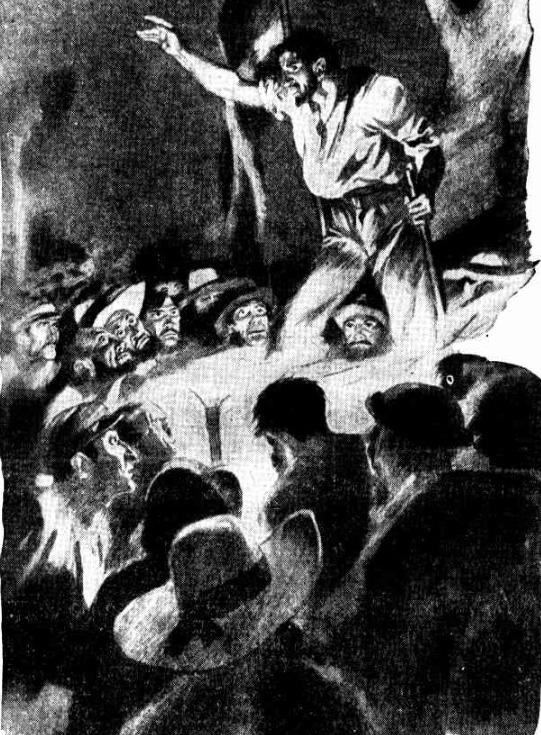
James Scobie, a Scottish gold miner, was killed outside Bentley’s Hotel at Ballarat on this date after he and a companion found the pub shut and tried to get in. A hand smashed through a window to strike him, the publican’s wife accused him of breaking it, and as he fled a group of men caught up with him; one blow, delivered with something Peter Martin, the only witness, described as resembling a battle-axe, killed him on the spot.

At the inquest that same afternoon, hotelkeeper James Bentley and his staff denied any involvement, and despite a strong case against them the magistrate let the matter drop. Miners furious at the whitewash burned Bentley’s Hotel to the ground, and only after public outcry was a fresh trial held at Melbourne‘s Supreme Court, where Bentley and two others were convicted of manslaughter. The anger over Scobie’s death and its botched cover-up became one of the sparks that lit the Eureka Rebellion weeks later.

Swearing allegiance to the Southern Cross flag.

⬅ See all events from 7 October

Spread the word on your favourite platform!

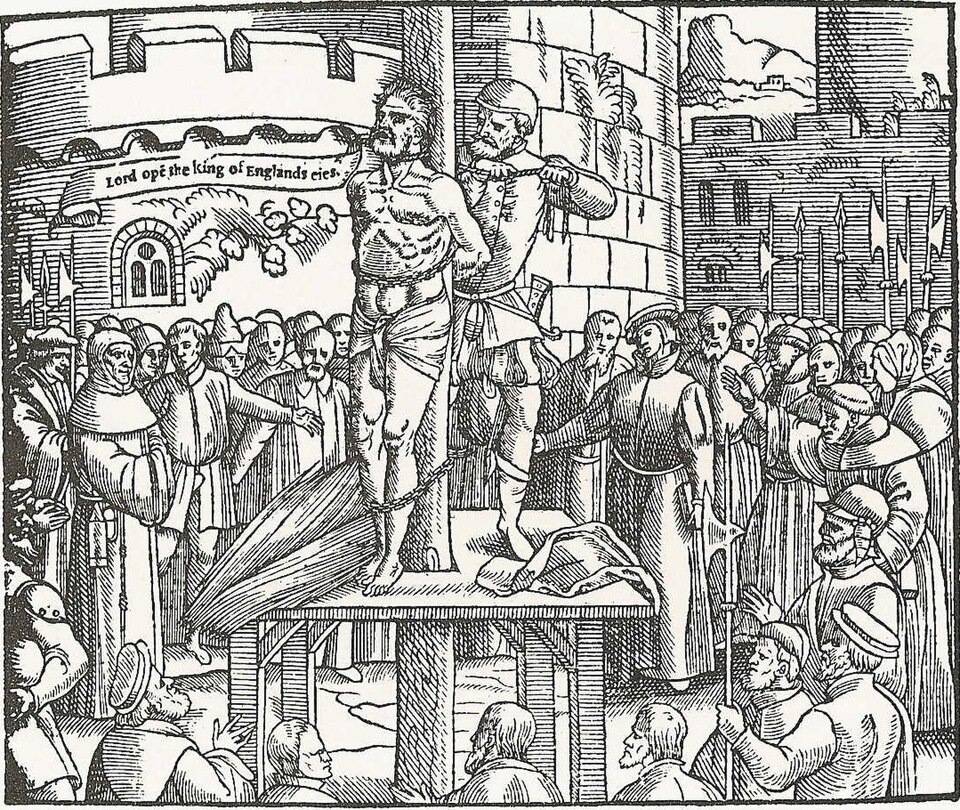
1536: The Price of an English Bible: William Tyndale Strangled and Burned for Heresy

William Tyndale committed one crime: he translated the New Testament into English so ordinary readers could understand it for themselves, defying a Church that insisted scripture remain in Latin and under clerical control. Hunted across Europe by agents loyal to Henry VIII’s government, he was finally betrayed and arrested in Antwerp.

Tried for heresy, he was condemned and taken to the fortress town of Vilvorde, where in October 1536 he was strangled at the stake and his body then burned. Within a few years, an English Bible drawing heavily on his translation was being placed in every parish church in the kingdom that had killed him.

According to tradition, his final words were a prayer rather than a protest: “Lord, open the King of England’s eyes.”

Portrait of William Tyndale from Foxes Book of Martyrs

⬅ See all events from 6 October

Spread the word on your favourite platform!
On This Day in True Crime History

Subscribe to Dark Stories

True crime stories, dark history and tour news, straight to your inbox.