1955: He Bombed His Mothers Suitcase and Killed 44 Strangers Aboard Flight 629

Jack Graham wanted his mother dead and her life insurance money in his pocket, and he did not much care who else was on the plane. He packed a dynamite time bomb into his mother Daisie King’s checked luggage before she boarded United Airlines Flight 629 out of Denver on the evening of 1 November 1955, bound for Alaska. Minutes after takeoff the Douglas DC-6B exploded over farmland near Longmont, Colorado, killing all 44 people aboard.

Investigators who pieced together the wreckage traced the blast to luggage in the cargo hold, and found Graham had form: he had collected an insurance payout earlier that year after his mother’s restaurant was destroyed in a suspicious gas explosion. He confessed, then recanted at trial, claiming he had only admitted guilt to stop the FBI pressuring his wife. Since no federal law at the time made it a crime to destroy an aircraft, prosecutors charged him simply with his mother’s murder. Convicted in 1956, he was executed in the gas chamber at Colorado State Penitentiary on 11 January 1957.

Graham showed no remorse to the end, telling a reporter: “Everybody pays their way and takes their chances. That’s just the way it goes.”
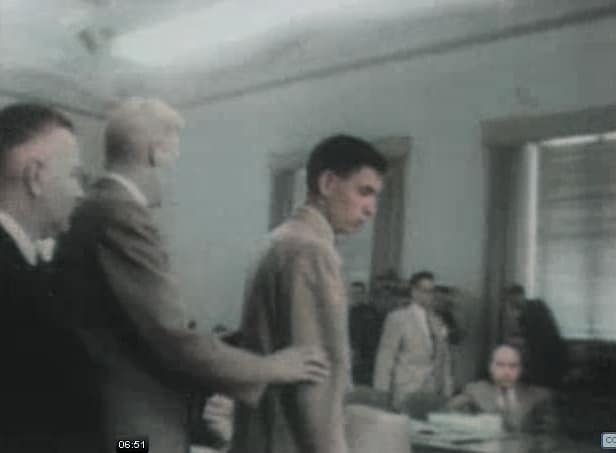

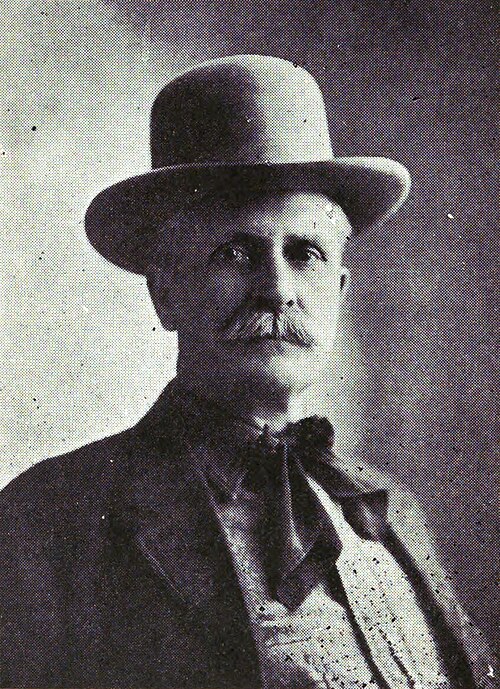
Jack Gilbert Graham during his trial, c. 1957. Prelinger Archives. Digitally colourised.

⬅ See all events from 1 November

Spread the word on your favourite platform!

1993: The Backpacker Who Got Away: How One Survivor Unmasked Serial Killer Ivan Milat

A British backpacker named Paul Onions was hitchhiking along the Hume Highway near Sydney in January 1990 when a driver calling himself “Bill” produced a revolver and a coil of rope. Onions fled on foot and flagged down a passing motorist, reporting the attack to police before the driver vanished.

On this day in 1993, searchers combing a forest south of Sydney found two more bodies bearing the same spinal injuries as an earlier pair of backpackers unearthed the previous year, confirming Australia had a serial killer stalking the highway. The month long search that followed ended with the discovery of a German backpacker nearby, the fifth victim linked to the same killer.

Reading UK news reports of the discoveries two years later, Onions recognised the description of his own ordeal and contacted the Australian embassy. His account and photo identification of the man who had attacked him led police to Ivan Milat, whose home was searched and who was eventually convicted of the backpacker murders.

Dark History of Belanglo Forest

⬅ See all events from 1 November

Spread the word on your favourite platform!

1828: The Last Victim of Burke and Hare: a Fatal Night of Drinking in Edinburgh

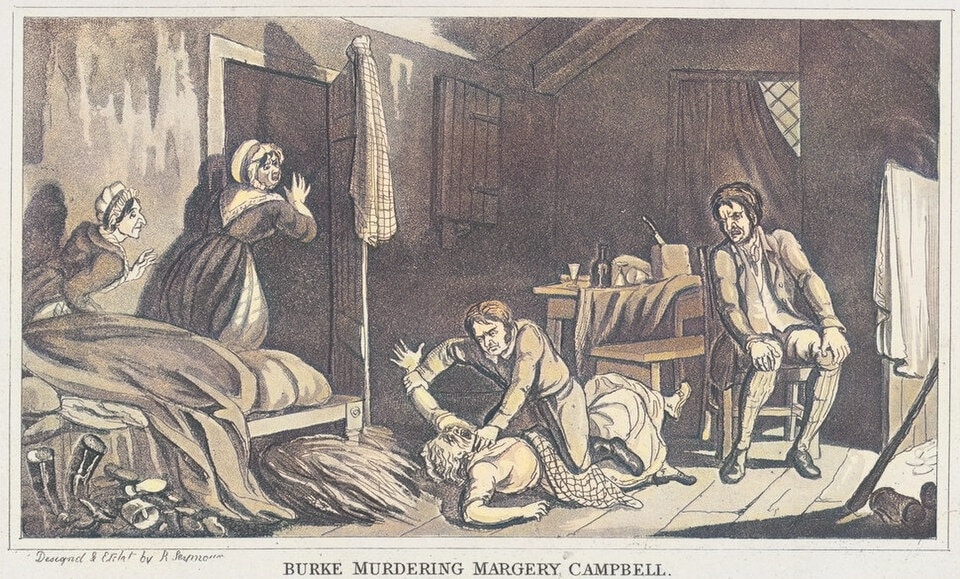
Margery Campbell, an Irish woman also known as Margaret Docherty, was lured into William Burke’s lodging house in Edinburgh on 31 October 1828 after Burke struck up a conversation with her on the street, claiming a shared homeland. A night of drinking followed, and before it ended Burke and his accomplice William Hare had suffocated her, the sixteenth victim in a killing spree that had run through the city for months.

Her body was found hidden under straw by fellow lodgers Ann and James Gray, who went straight to the police. The discovery ended the partnership for good: Hare turned Crown witness to save himself, and Burke went to the gallows for a murder that finally could not be concealed.

Burke murdering Margery Campbell historical crime illustration

⬅ See all events from 31 October

Spread the word on your favourite platform!

1851: A Fabricated Choking Bullock Led to the Murder of a Sleeping Man: Hanged at Launceston

Francis Duke, a servant on George Hill’s farm near Deloraine in northern Tasmania, woke his employer in the middle of the night with an urgent story: the bullock being fattened was choking and needed help. When they reached the shed the animal was calm and Duke complained only of the cold, but as Hill turned back toward the house Duke knocked him down with a piece of firewood and began stabbing him as the two men grappled on the ground. It was Hill’s wife who turned the fight, beating Duke with a brick until neighbours arrived to help subdue him.

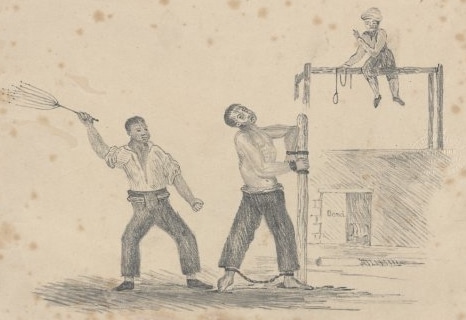
Searching the property afterwards, they found Duke’s fellow servant, a ticket-of-leave man named William Smith, already dead in his bed, a wound driven more than an inch into his skull while he slept. Duke was convicted of murder and sentenced to death without hope of mercy. He was hanged at Launceston on 31 October 1851.

Duke, a Spaniard who reportedly spoke unintelligibly in court, insisted to the end that the evidence given by Hill and his wife was false from beginning to end.

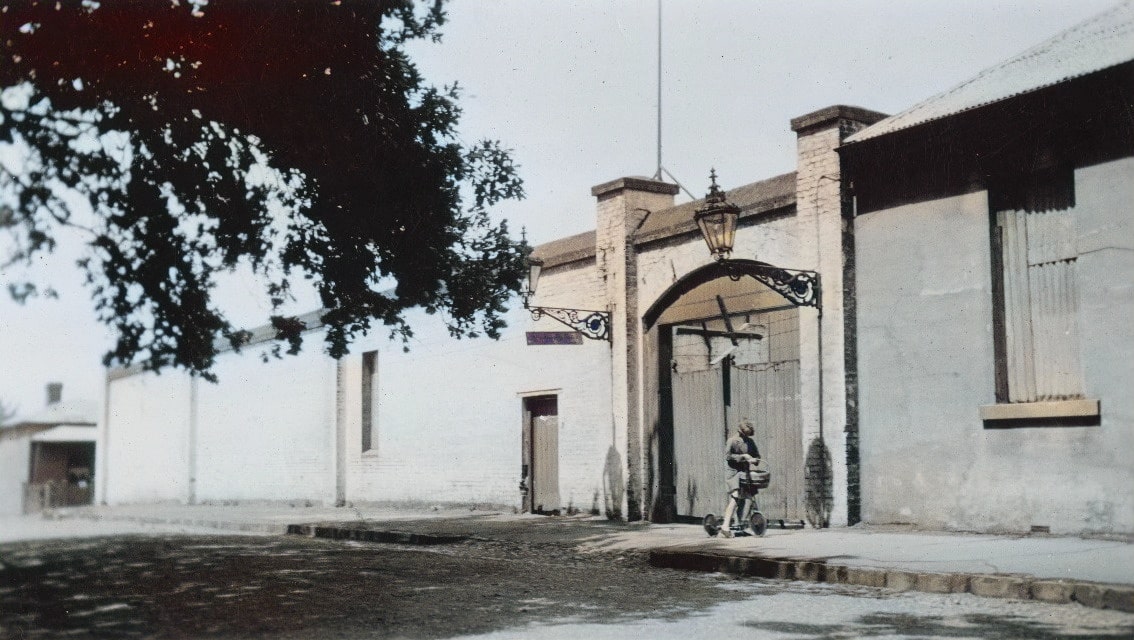
Old Launceston Gaol, viewed from Wellington Square. State Library and Archives of Tasmania, LPIC147/4/62.

⬅ See all events from 31 October

Spread the word on your favourite platform!
On This Day in True Crime History

Subscribe to Dark Stories

True crime stories, dark history and tour news, straight to your inbox.